4.75 out of 5
Purr!
Purrr....
- Great experience undocked
- Extra gameplay options
- Soundtrack
- Characters
- Storyline
Hisss!
- Very minor frame dips
- Players who want the best visual experience
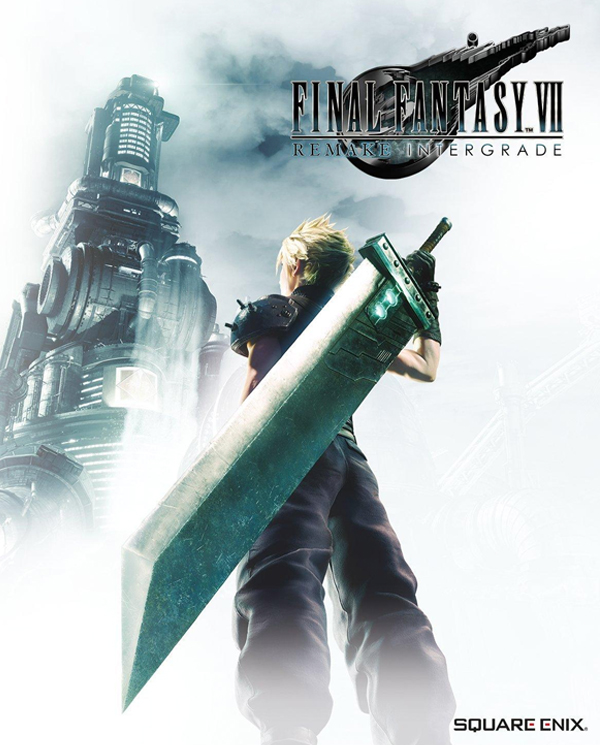
Platform
Switch 2, PlayStation 5, Xbox Series X, PCPublisher
Square EnixSeries
Final FantasyGenre
RPGPlayers
1File Size (Minimum)
87.9 GBOne of Square Enix’s popular titles, Final Fantasy VII Remake Intergrade, has finally arrived on the Nintendo Switch 2. Thanks to Square Enix, we had the opportunity to play the game before its official release on the Nintendo Switch 2. The game runs surprisingly smoothly and offers a fun new experience to play just about anywhere.
History of a Remake
Once started as a tech demo for the PlayStation 3 in 2005, fans of Final Fantasy VII have longed for a remake, and it finally arrived as a full remake fifteen years later. Originally released on the PlayStation 4 in spring 2020 as Final Fantasy VII Remake, the game received an upgraded version with updated visuals and new content. This version was re-released as Final Fantasy VII Remake Intergrade for the PlayStation 5 in the summer of 2021, and later for PC. Now, the game is being released on the Xbox Series console and Nintendo Switch 2, giving many more reasons why you shouldn’t overlook this title.
A Portable Enjoyment
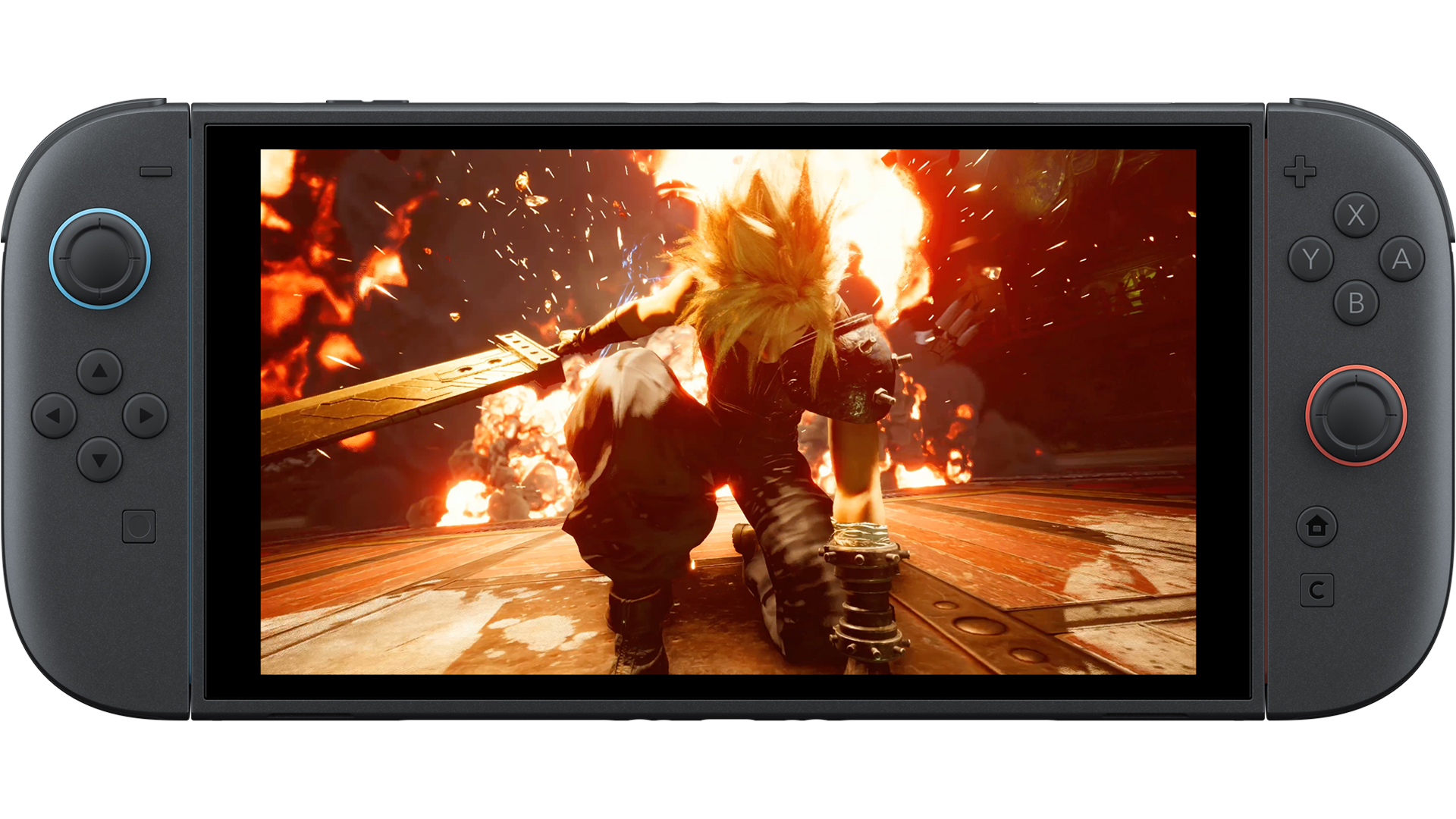
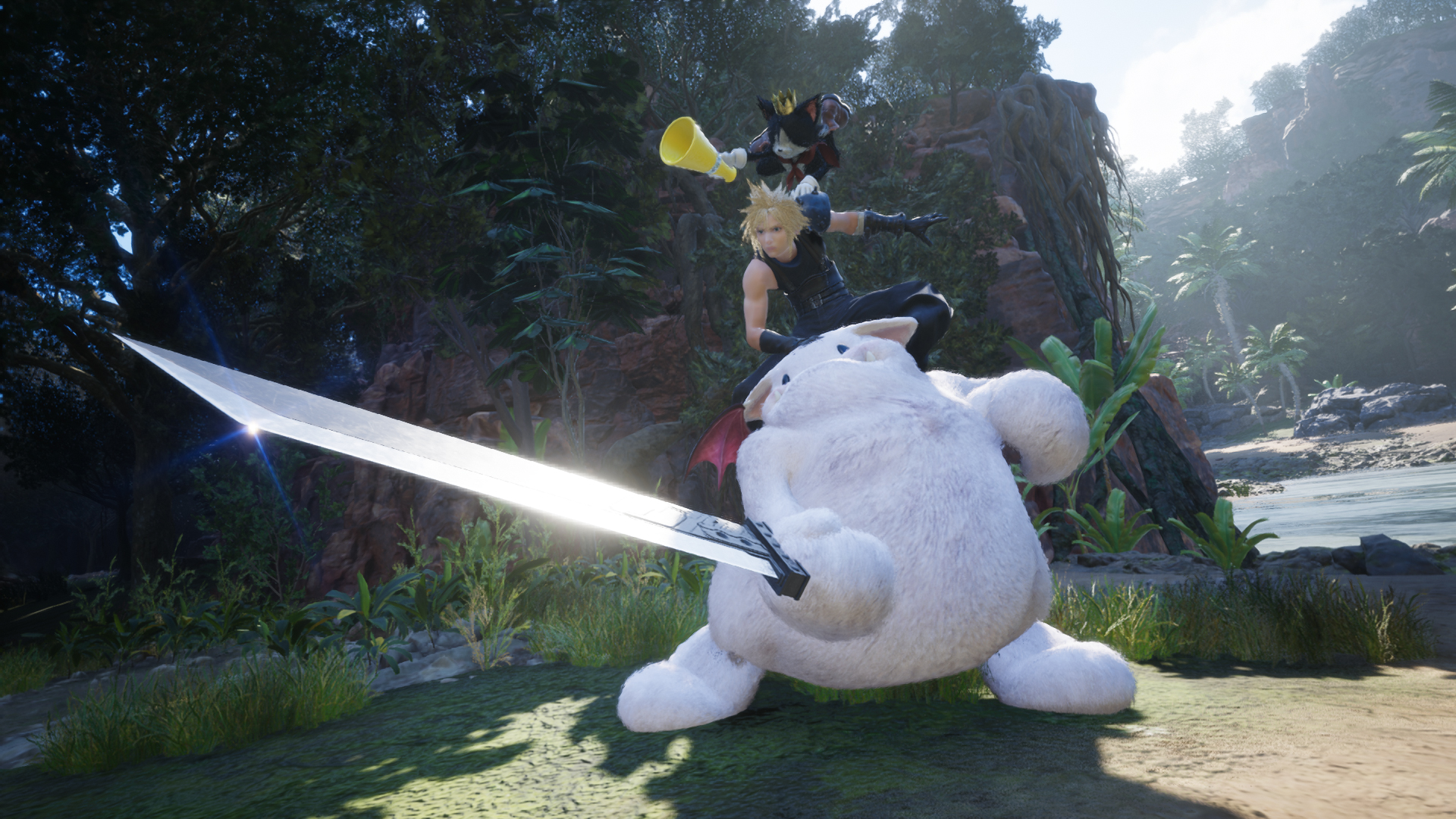
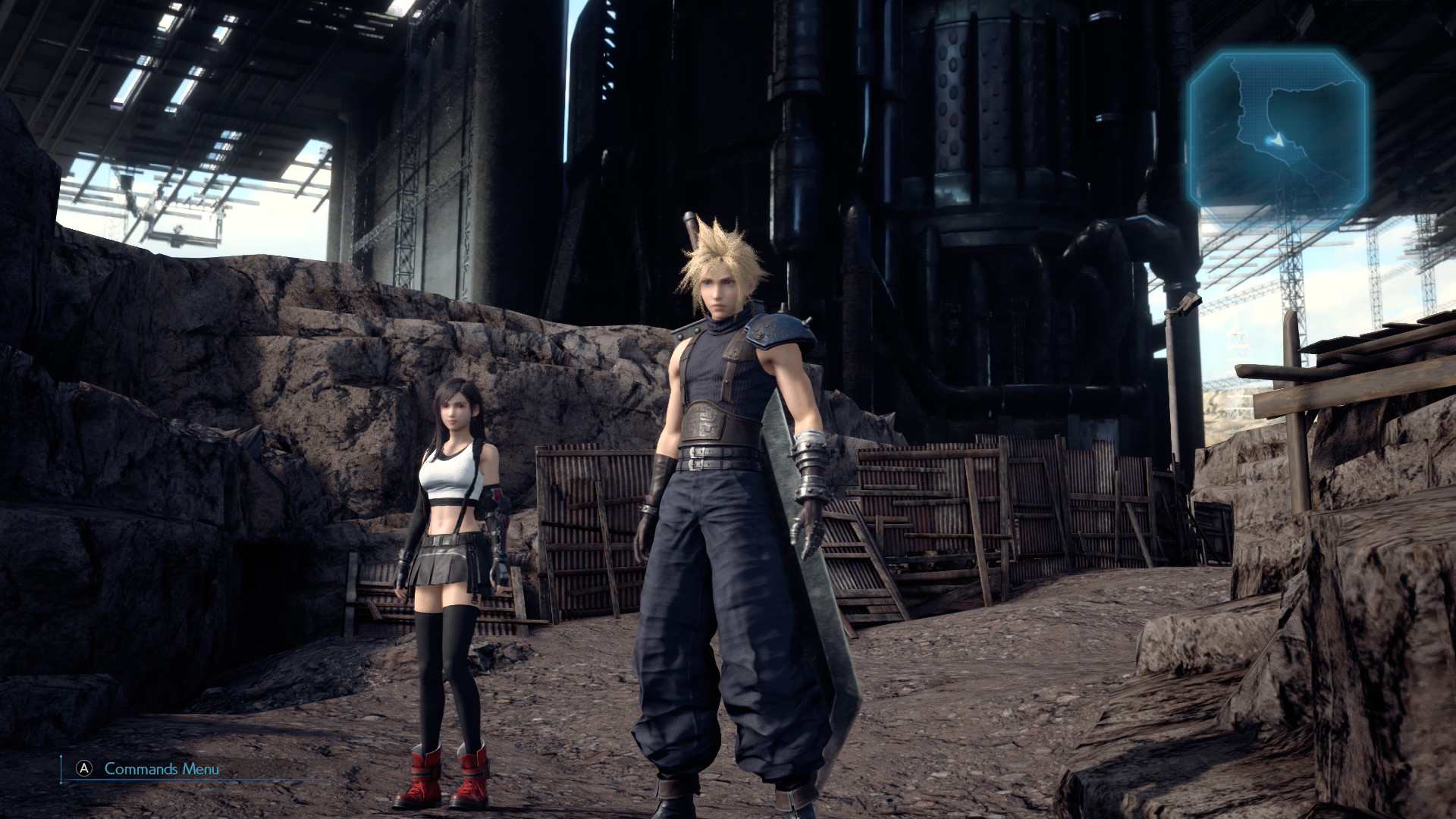
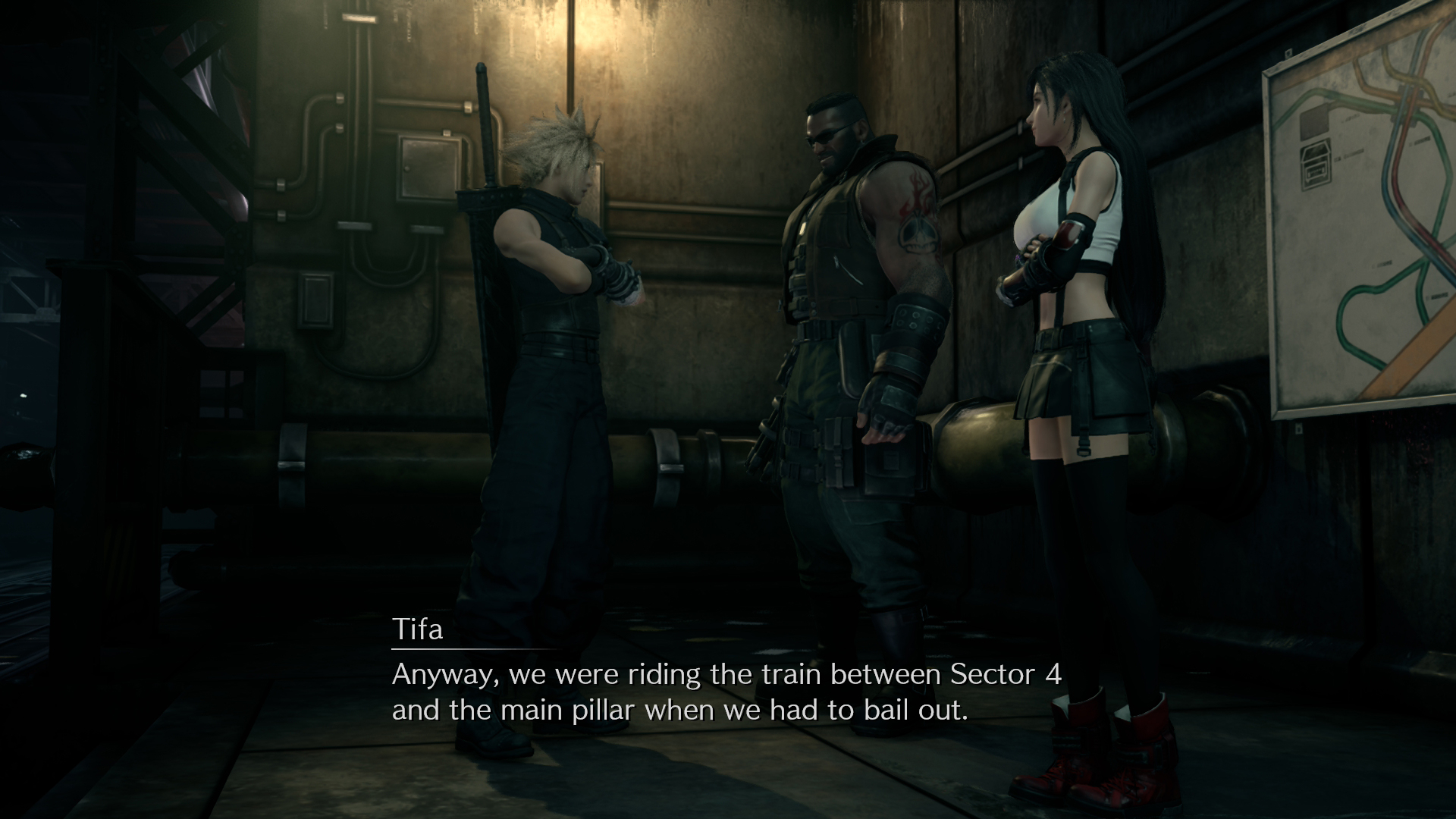
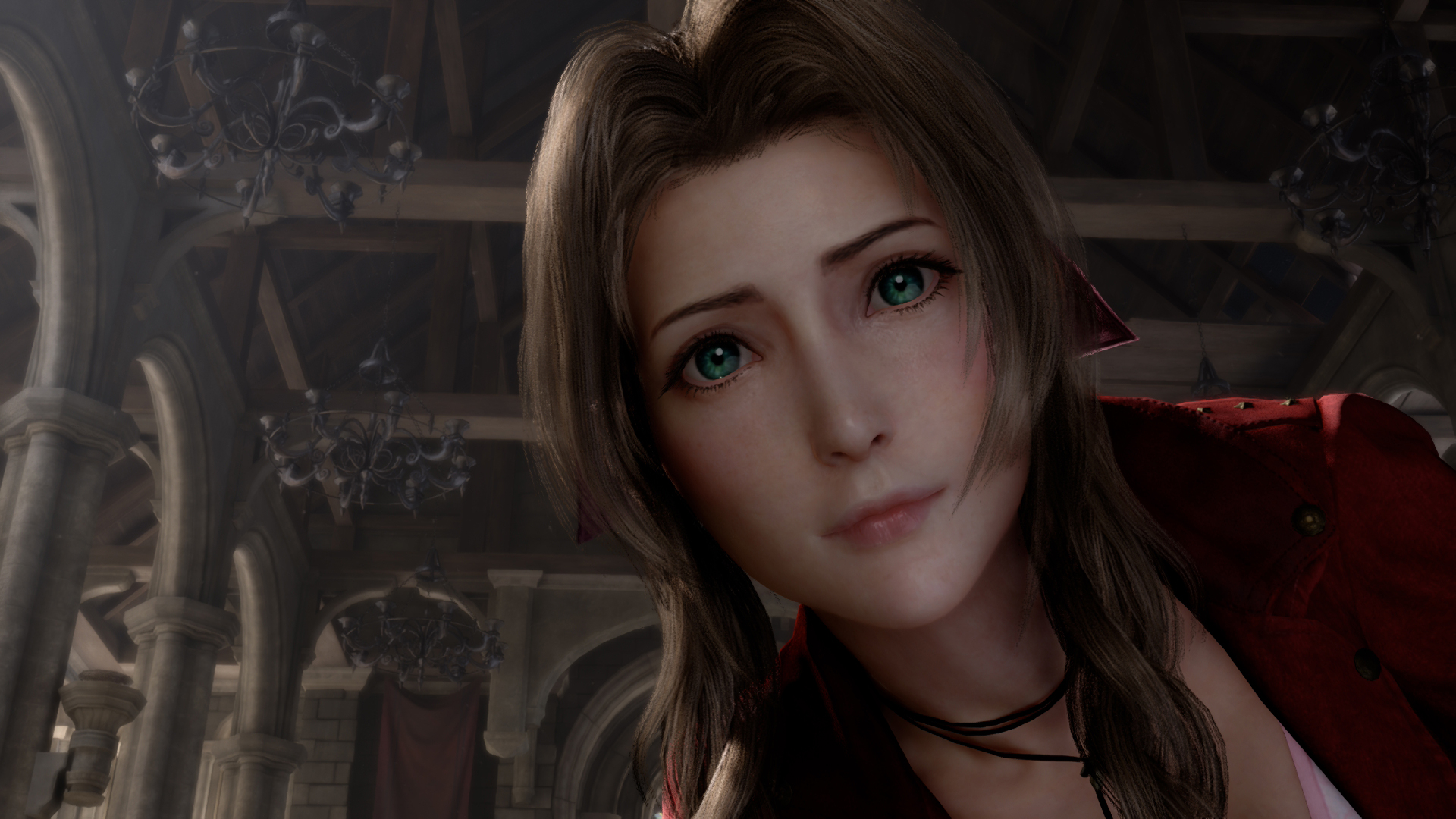
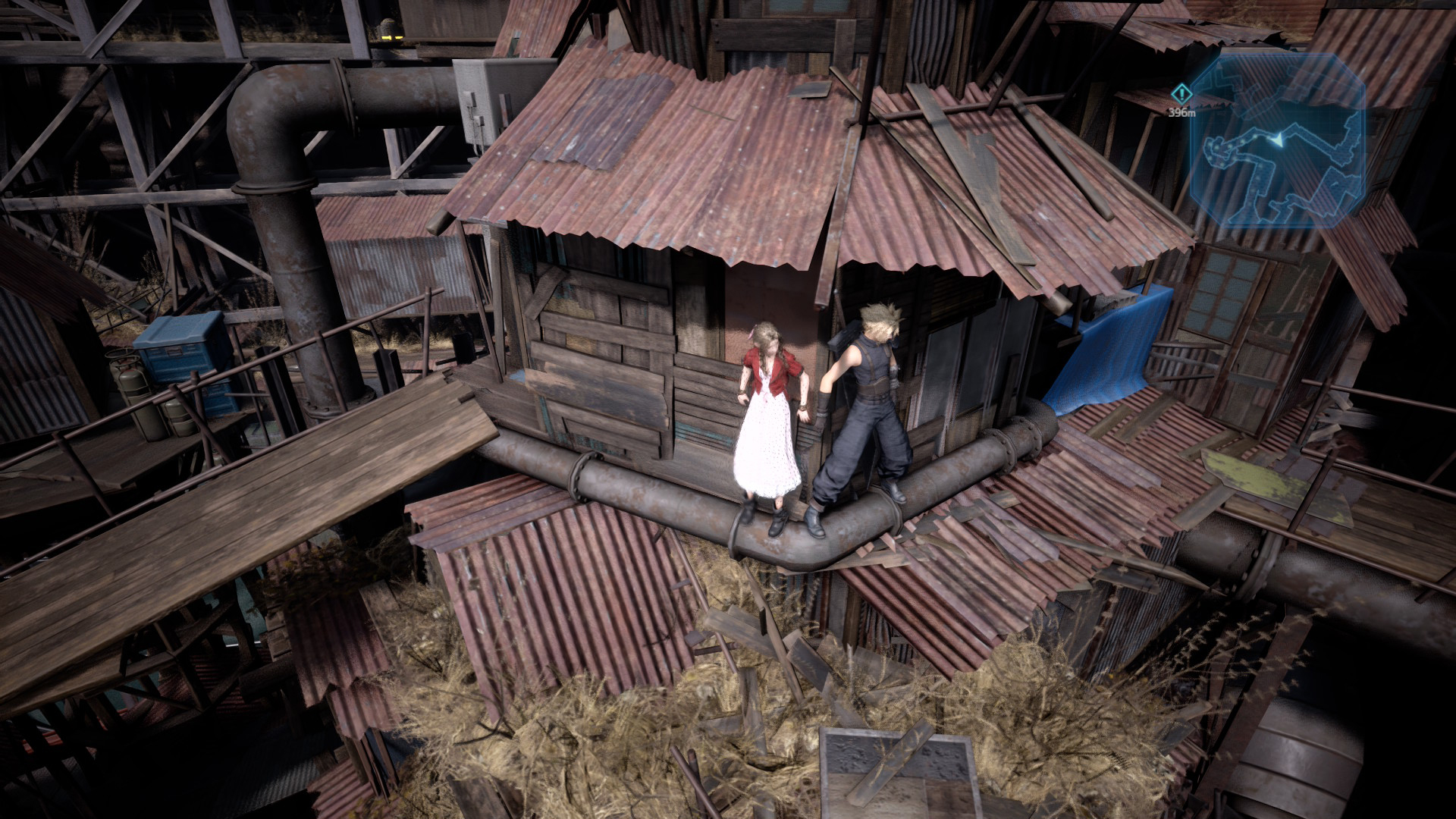
Screenshot captured on the Nintendo Switch 2 in Handheld Mode
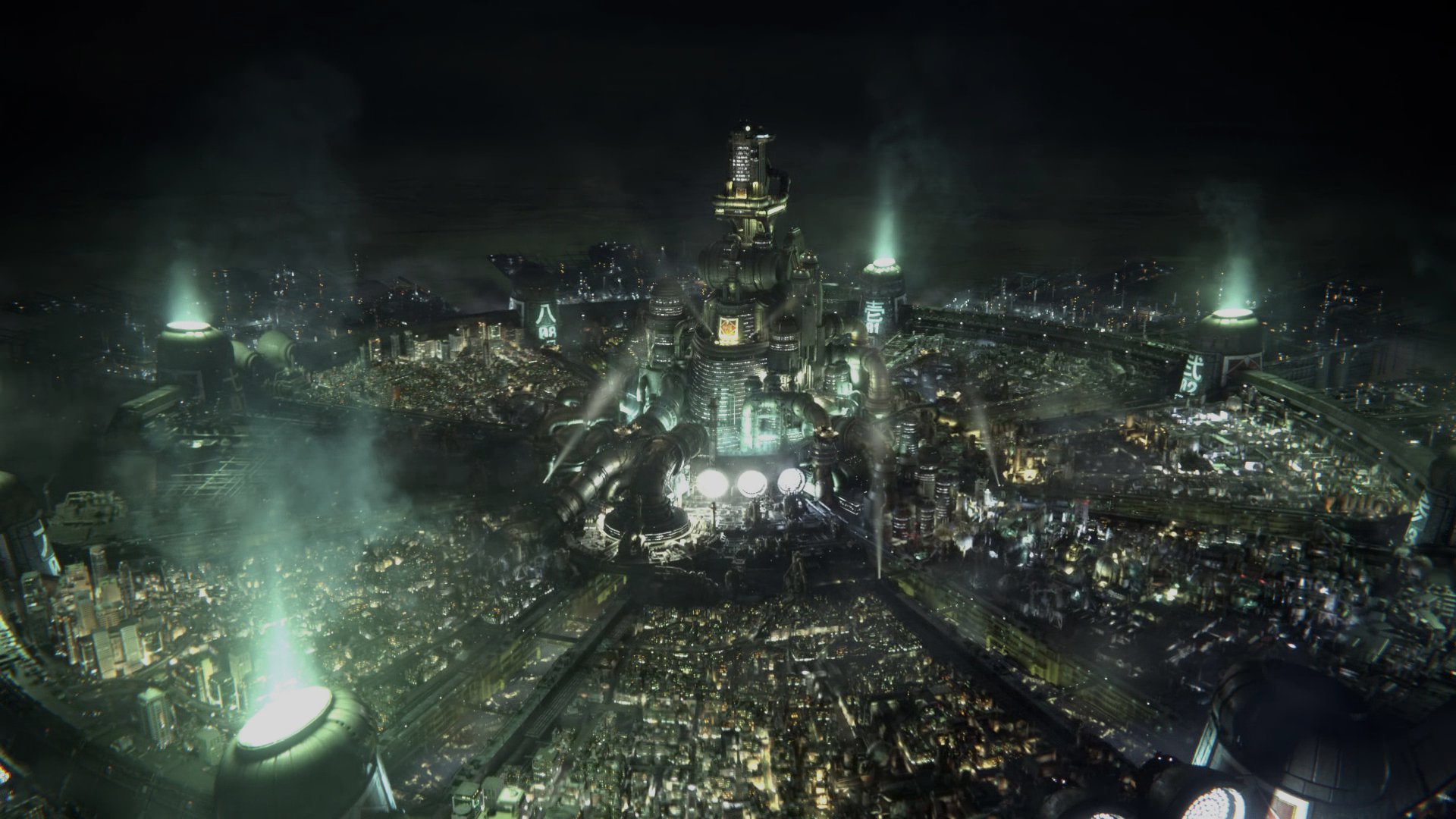
The game’s demo on the Nintendo Switch 2 was first tested back during PAX West. It was a positive experience in terms of how well the game ran on the Switch 2, both when docked and undocked. Playing the full version, the game still runs remarkably smoothly, and every part feels like a new experience on the Switch 2, even though many hours were already played on the PlayStation version. The ability to take this game anywhere and still have a smooth experience brings joy as I run through Midgar once more.
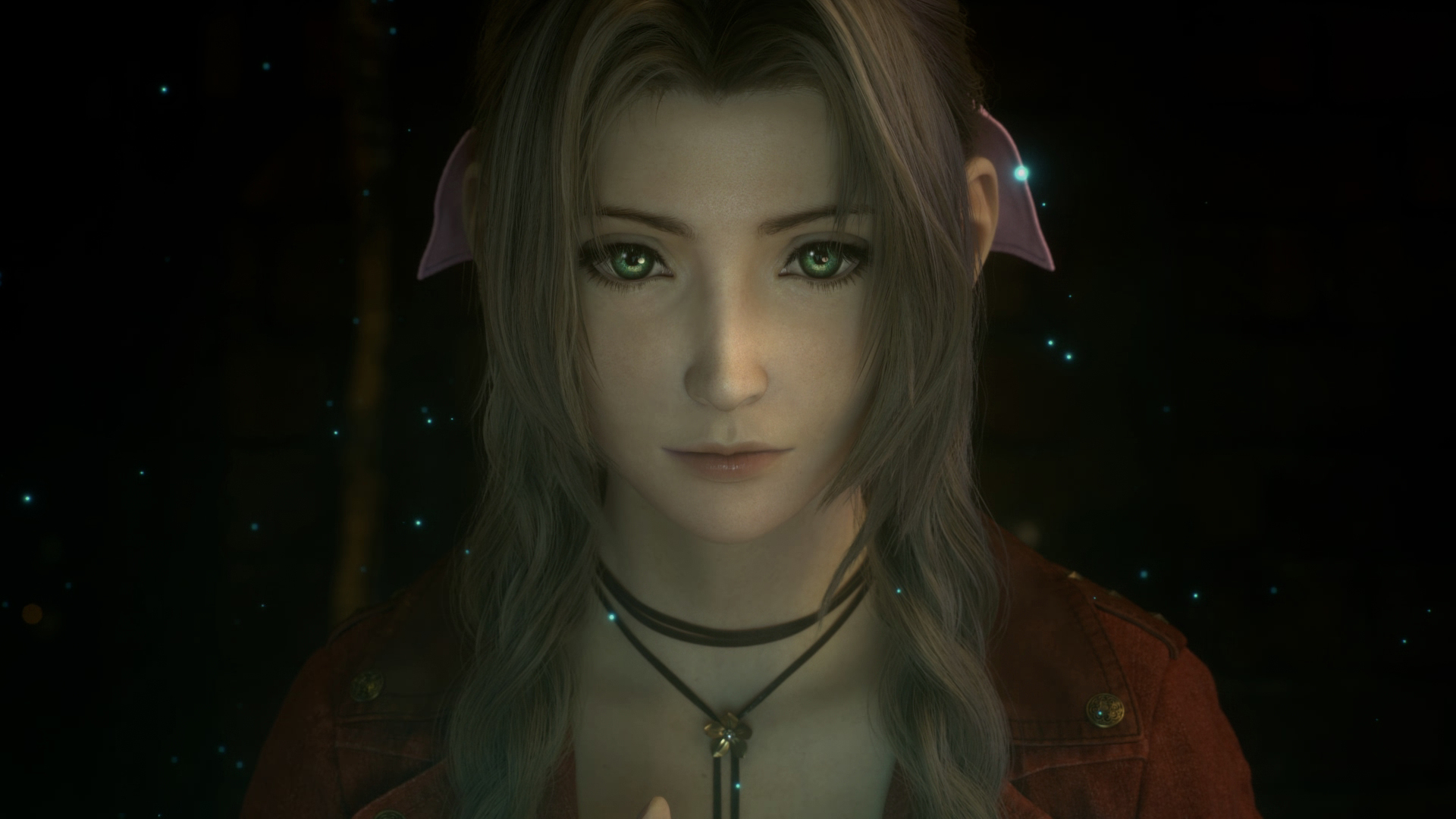
While having a great experience, there are some limitations to note. The game is set to play at a steady 30 frames per second (fps), and there were very minor moments during a cutscene where the frame rate did drop, but it did not ruin the overall experience. If you have played previous versions of the game, you may notice some differences in image quality. Aside from lighting, some graphics, such as the hair, feel more compressed whether you are in docked or undocked mode. If you are doing a side-by-side comparison, the PlayStation 5 and PC versions will feel superior due to their higher quality components that can handle these details and run at a higher frame rate. To make up for the difference in power, Square Enix’s team utilizes visual compression along with some motion blur to enhance the visual experience on Nintendo’s latest console. The outcome is better looking than the PlayStation 4 version. It’s a trade-off, but not a bad one at that.
Overall, the game is a blast to play and looks amazing on the Nintendo Switch 2.
The experience of fighting foes and going through the game’s storyline still feels magical, and having the opportunity to play on handheld feels fantastic. With how well the first installment of the remake of Final Fantasy VII played on the Switch 2, players should look forward to seeing how Square Enix will bring Final Fantasy VII Rebirth to the Nintendo Switch 2.
It’s Not 1997 Anymore
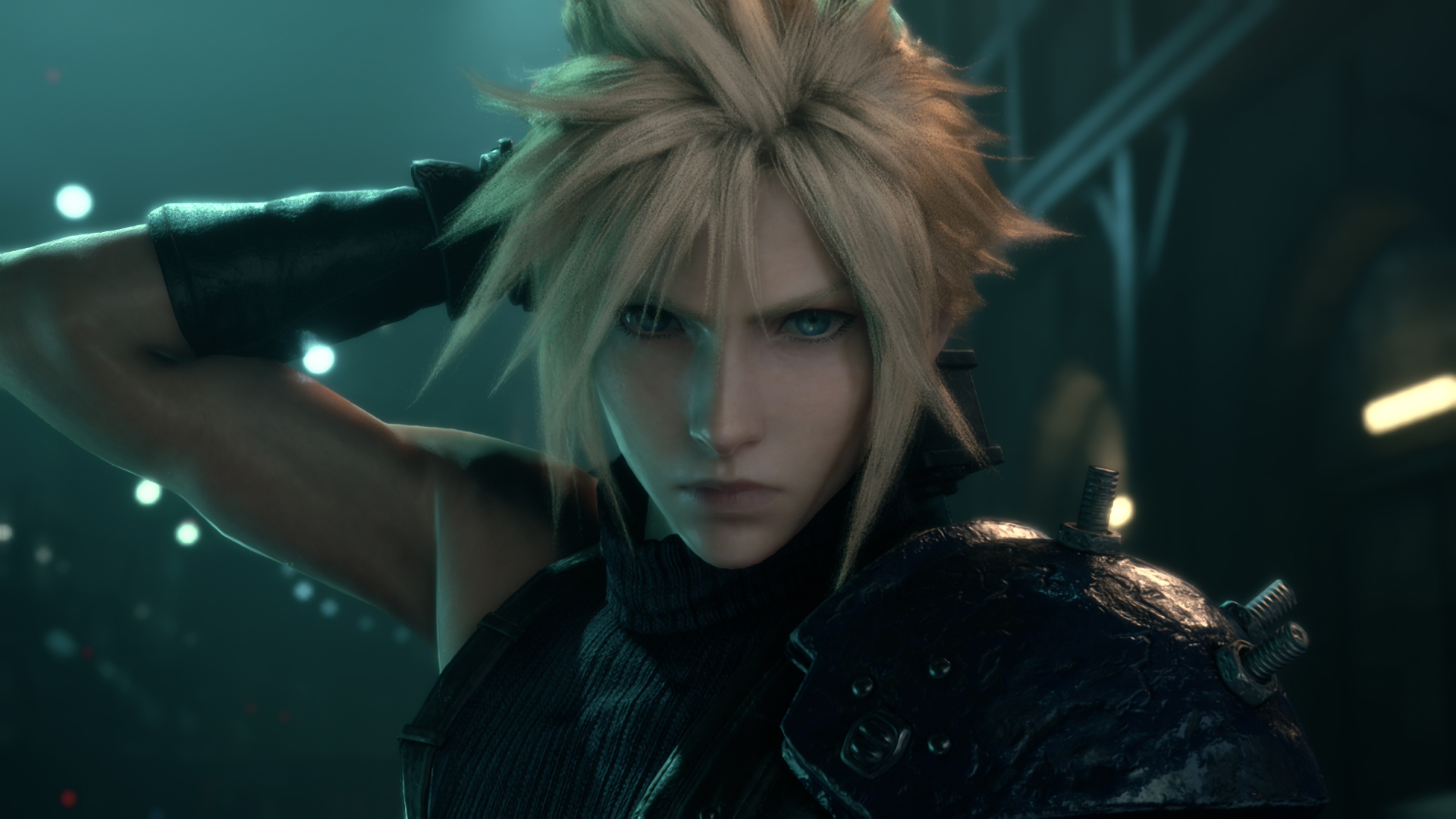
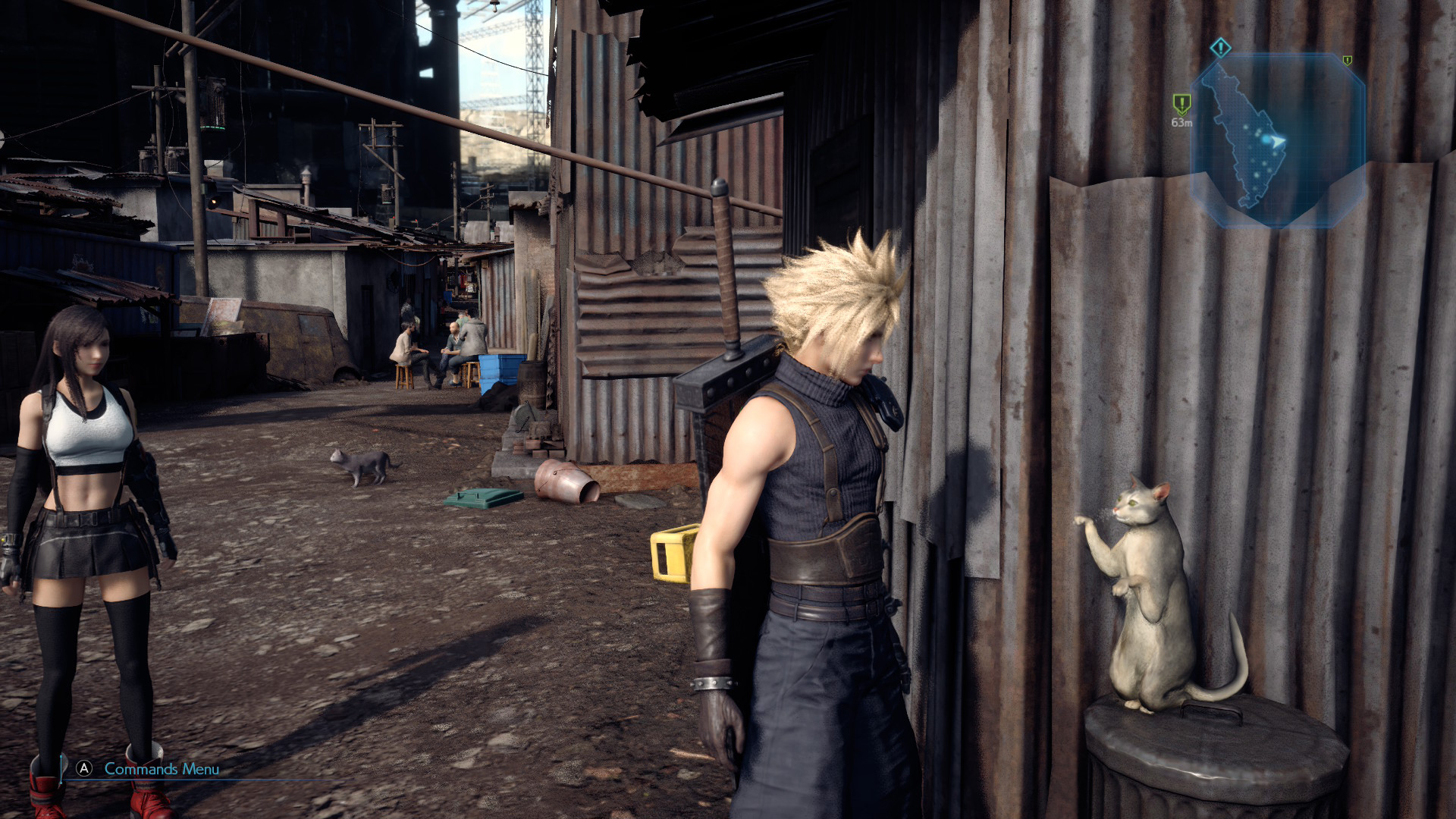
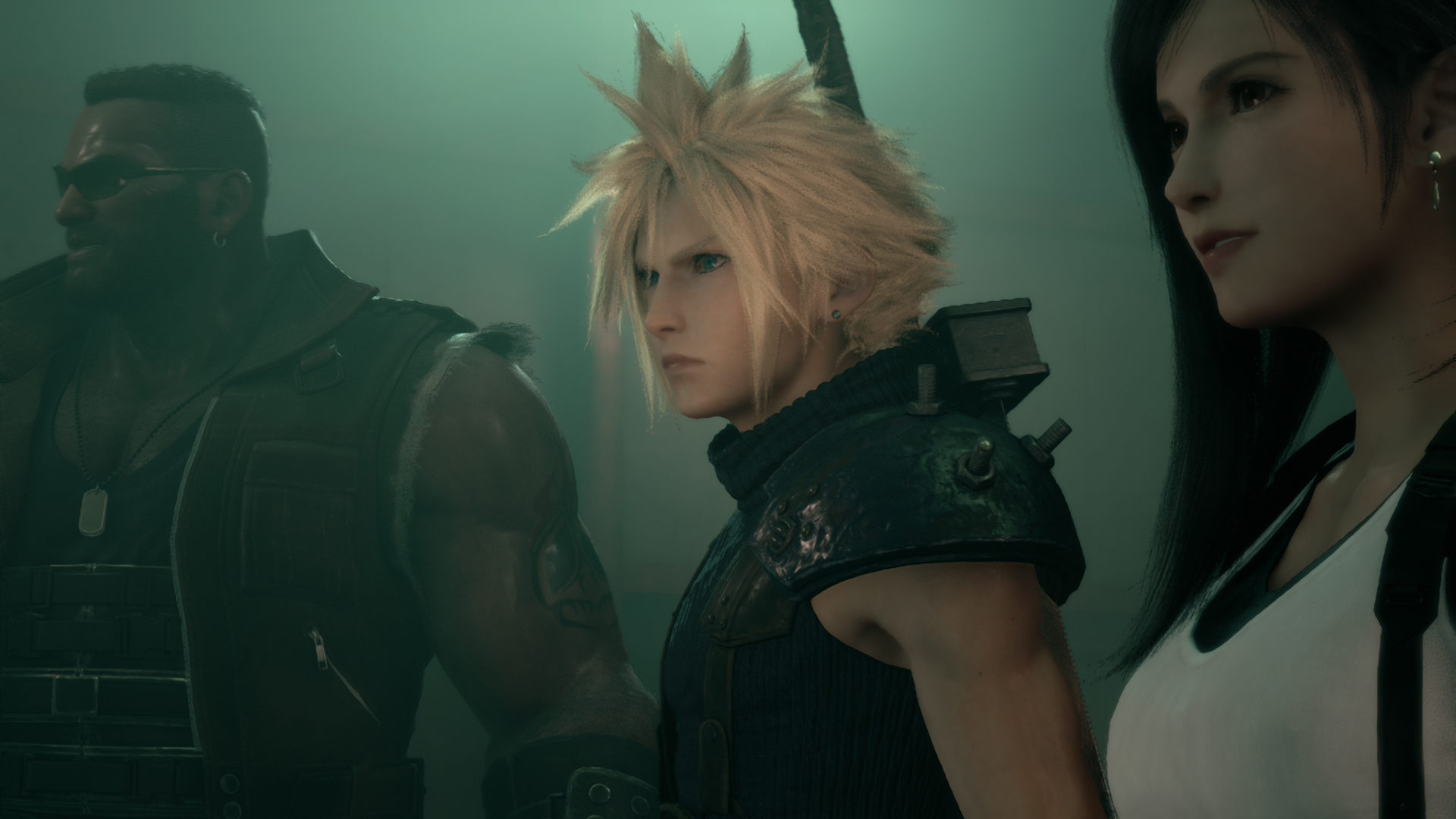
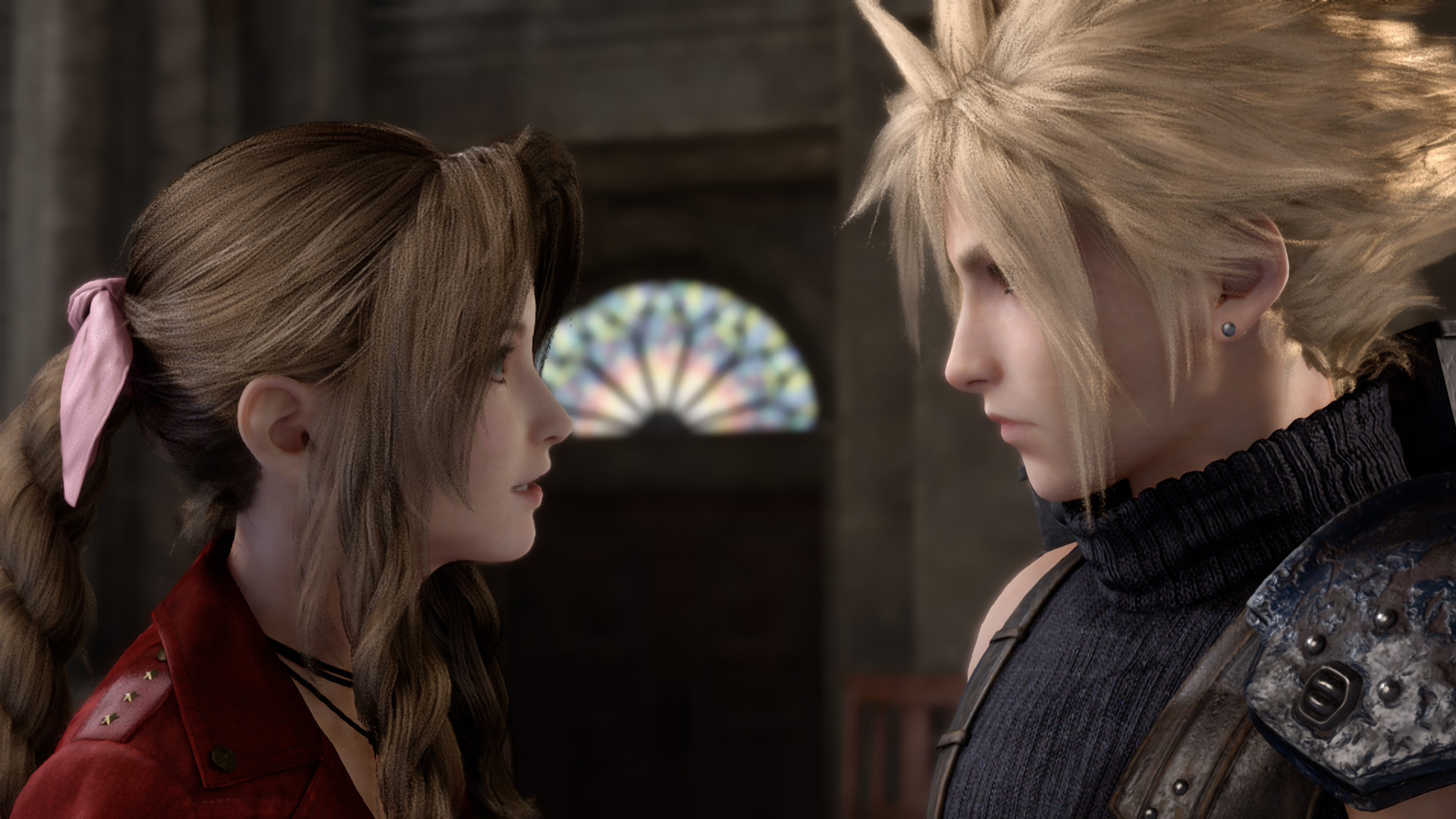
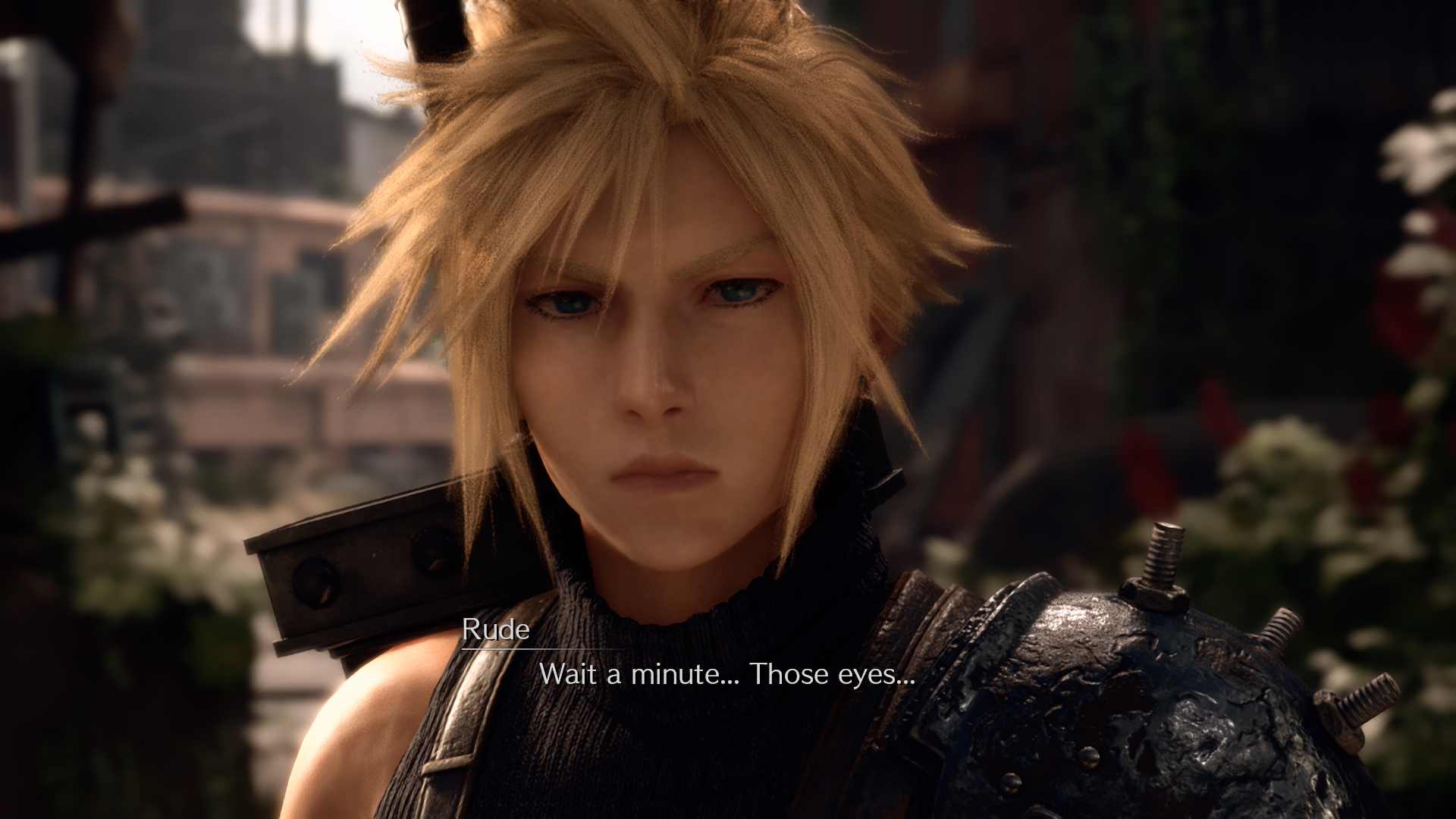
Screenshot captured on the Nintendo Switch 2 in Handheld Mode
If you have played the original Final Fantasy VII, much of the plot remains the same in terms of goals, location, and characters. Remake Intergrade‘s story revolves solely around the time in Midgar, a massive, oppressive, technologically advanced city that is run by Shinra, an oppressive corporation controlling the planet’s life energy, known as Mako. Like the original, you are hired by the Avalanche team led by Barrett, along with Tifa, Jessie, Biggs, and Wedge, to take out each reactor in Midgar. What the remake does differently is adding more plot in between each key moment. For example, you spend time in each sector of Midgar to learn more about the citizens and take on side quests. There are a lot of quests to take on as the game builds up the subplot of Cloud trying to become a successful mercenary. The downfall players may experience is the pacing between the main story and the side quests. Mini-games such as dart throwing, Fort Condor, and bike racing have their own set of challenges that may cause some players to quit early and progress the game’s story. Winning these games earns you rewards such as equipment or other special items. Some special scenes, such as the dialogue between Cloud and Jessie, have special requirements depending on how you play, which itself is quite a challenge for players.
Each character has their own unique personality. Cloud is reserved and emotionally distant. Barrett is loud and aggressive. Tifa is a compassionate fighter while also doubting the actions Avalanche is taking. The flower girl, Aerith, is bubbly, playful, but carries a strong self-confidence. The new characters and characters that took on more of a background role add more depth to the overall story. For example, you hardly know about Jessie, but in the remake, you learn a lot more about her background and the reason why she’s with Avalanche. It’s surprising how much content the team behind Remake Intergrade was able to add.
Additionally, there is a side story in Remake Intergrade called “INTERmission,” where you play as a young ninja thief named Yuffie who infiltrates Midgar along with Sonon. Yuffie’s hyperactive confidence while trying to steal materia, magical objects that can create magic spells and summons. You travel with a guest party member named Sonon, whose personality balances the two to create a fun short-timed adventure. INTERmission isn’t as long compared to the main game’s story, but it’s interesting to see how Yuffie’s story intertwines with Cloud and Avalanche’s progress.
A Cinematic Good Time
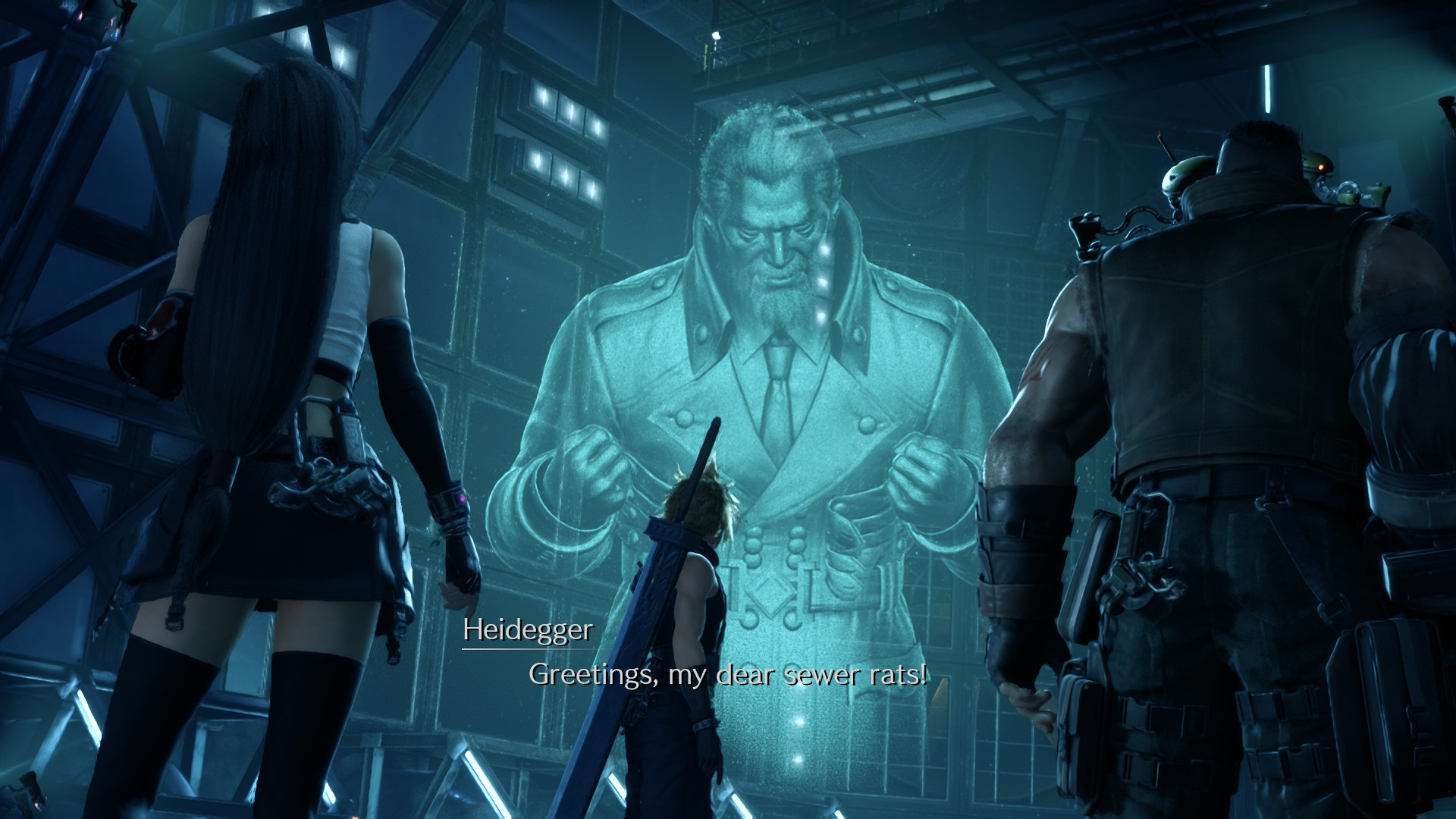
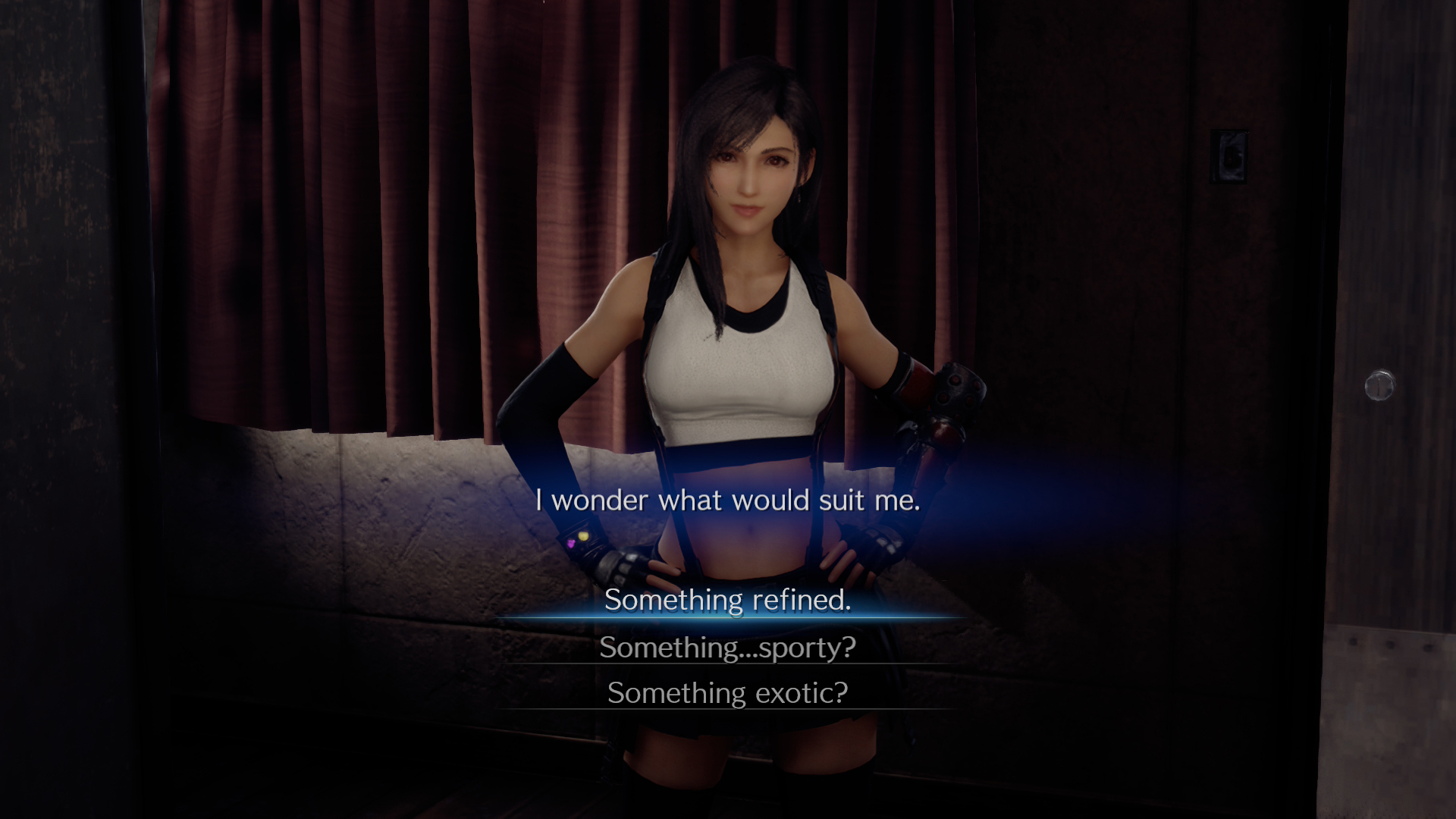
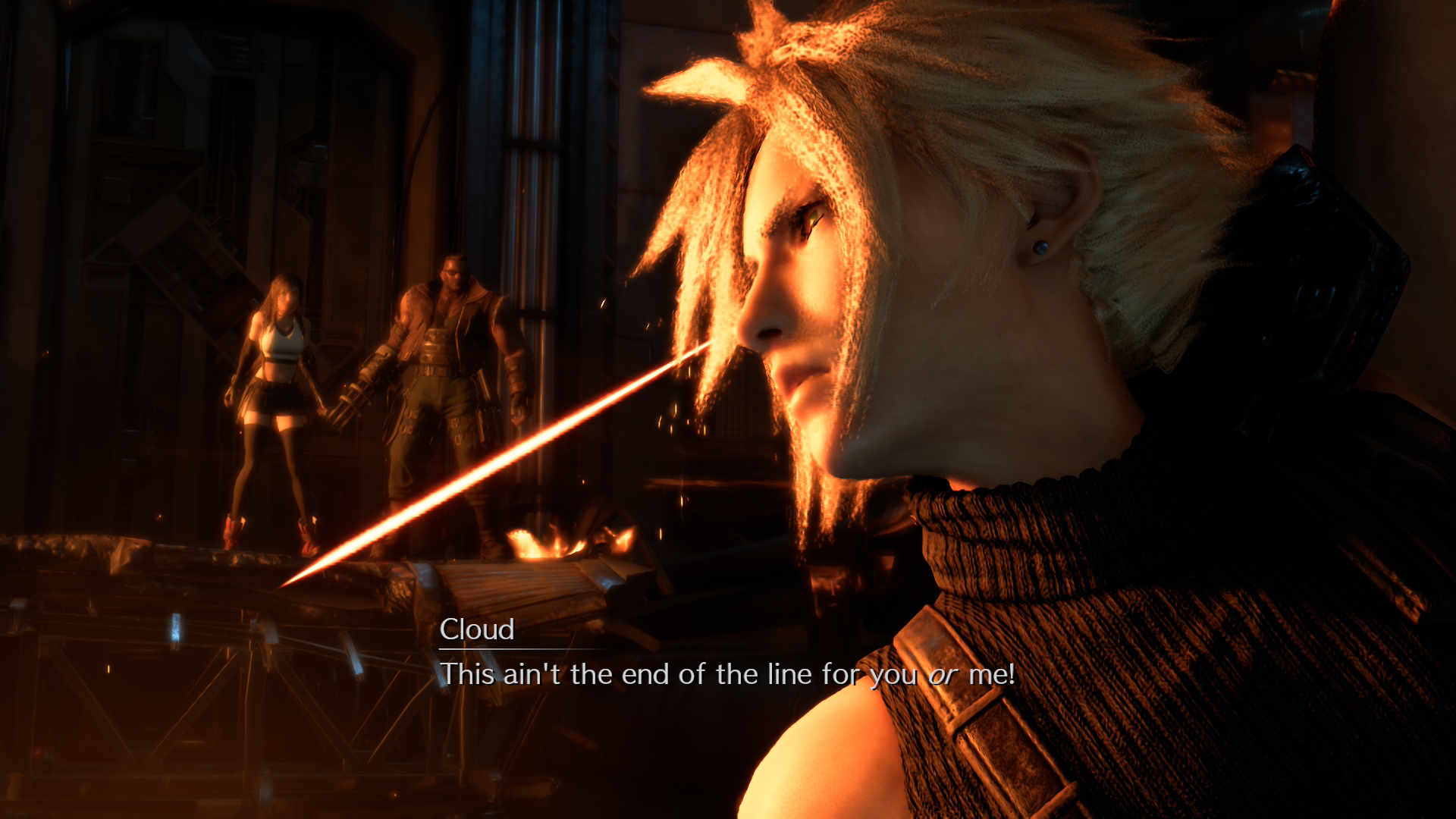
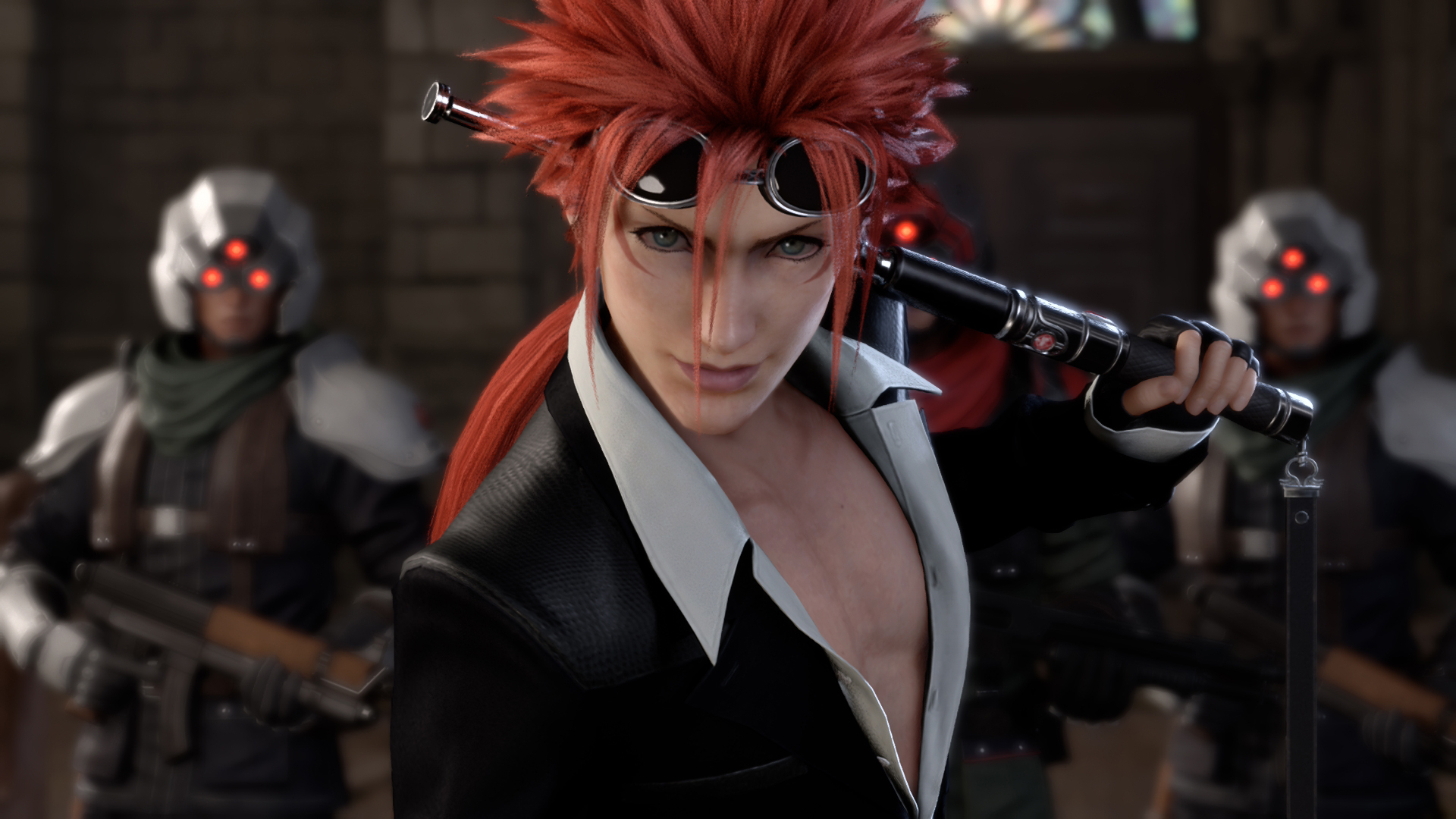
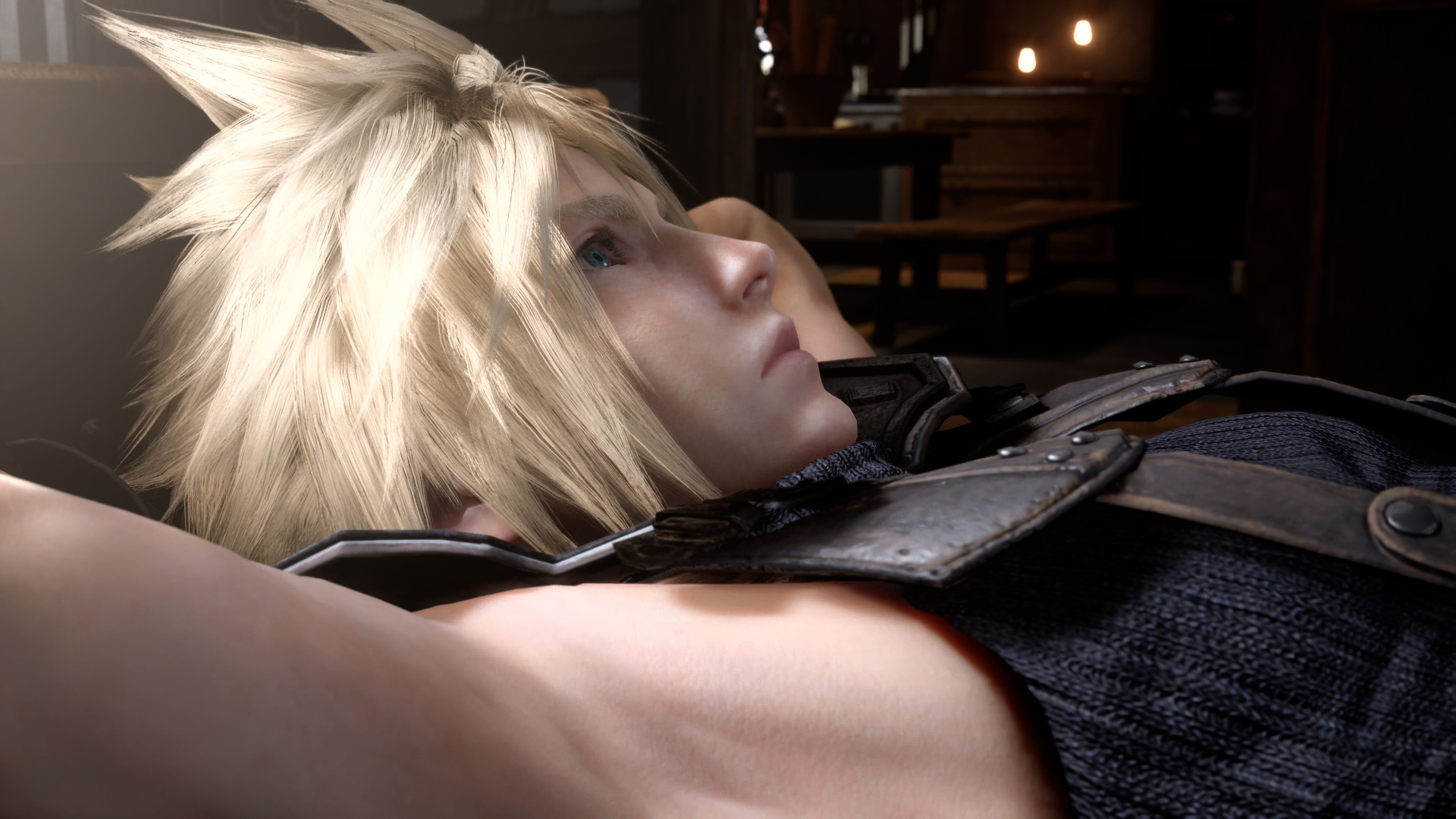
Screenshot captured on the Nintendo Switch 2 in Handheld Mode
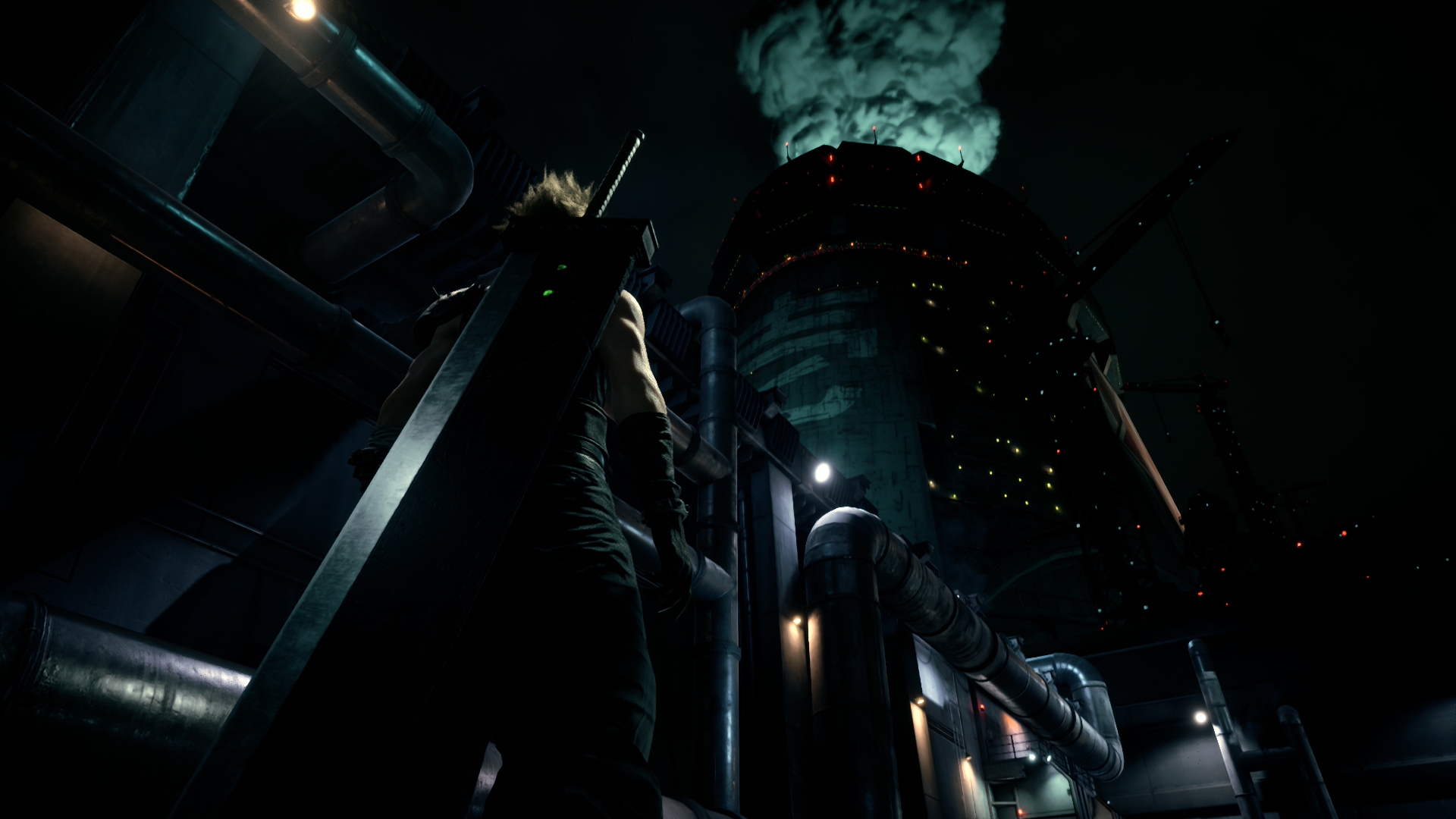
Whether you are playing the main story or INTERmission, players will feel like they are part of an interactive movie. Battles feel more intense and lively with cutscenes displayed in between actions. For example, during a boss-level fight, the enemy jumps around the area to attack from afar while the camera follows this action and cuts back to your team’s expressions reacting to the battle.
Selecting commands puts the battle in a slow-motion state, allowing users to take their time to choose the next command for each character. While the battlefield itself is in a desaturated filter, the menu stands out more, making it easier on the eyes. This setup makes the battle feel more dynamic. Limit Breaks, larger-scaled attacks, magic attacks, and summons are visually impressive on the battlefield, including enemy attacks.
Gameplay in battles is more action-based than turn-based combat. For those who prefer to focus on executing commands, they can use the “Classic” option on the selected difficulty. With this setting, your character will automatically attack and defend while the player focuses on commands, and you can change this setting at any time.
The soundtrack is outstanding, featuring a variety of scores for every scenario throughout the game. For example, the game’s battle theme has variations based on the enemy being fought. The scores were created by a large team led by composers such as Mitsuto Suzuki and the original composer of Final Fantasy VII, Nobuo Uematsu. It is a collaborative effort between veterans and new talent to recreate classic melodies and develop new compositions, resulting in a wonderful piece of art.
New Ways to Play
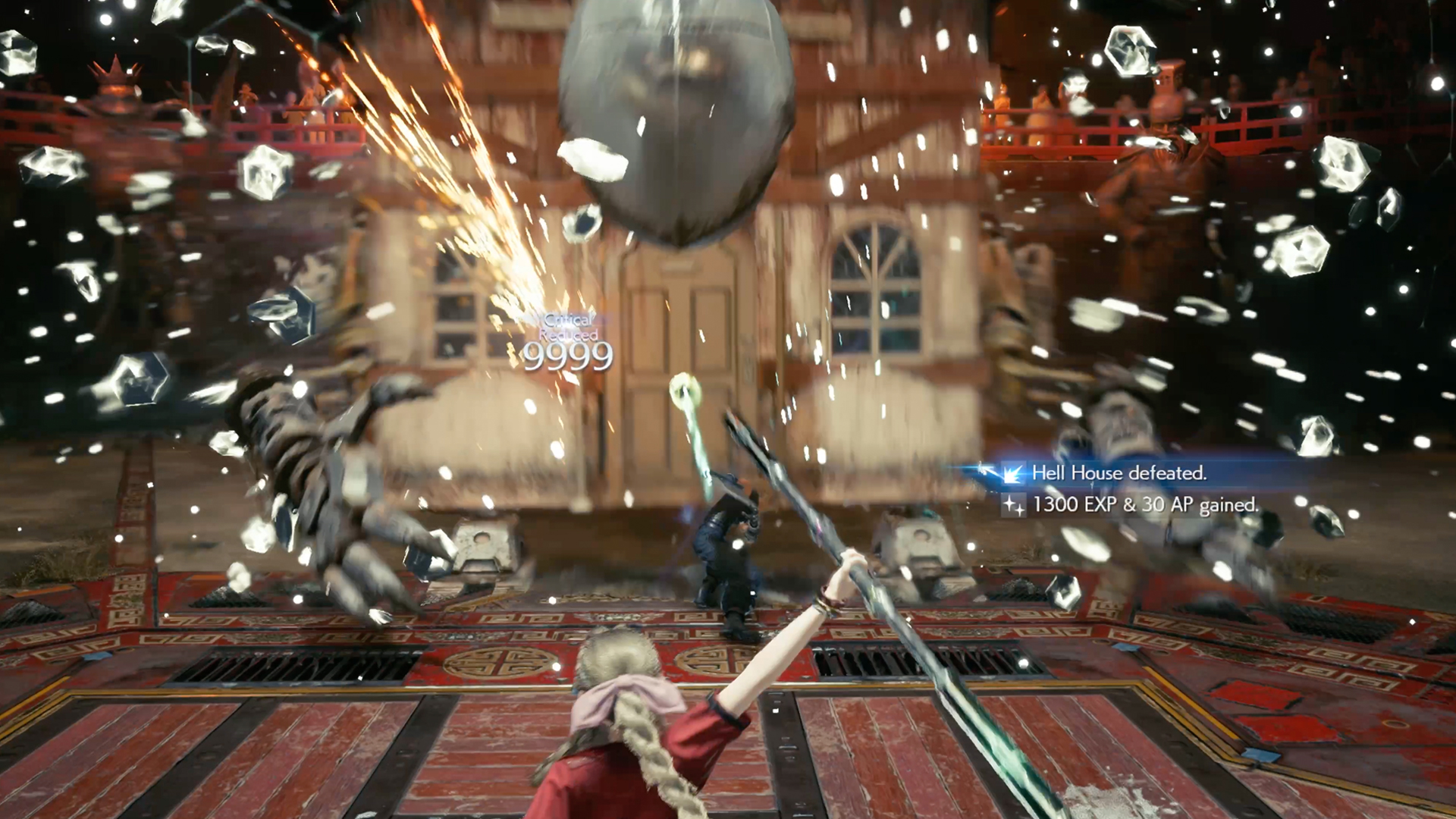
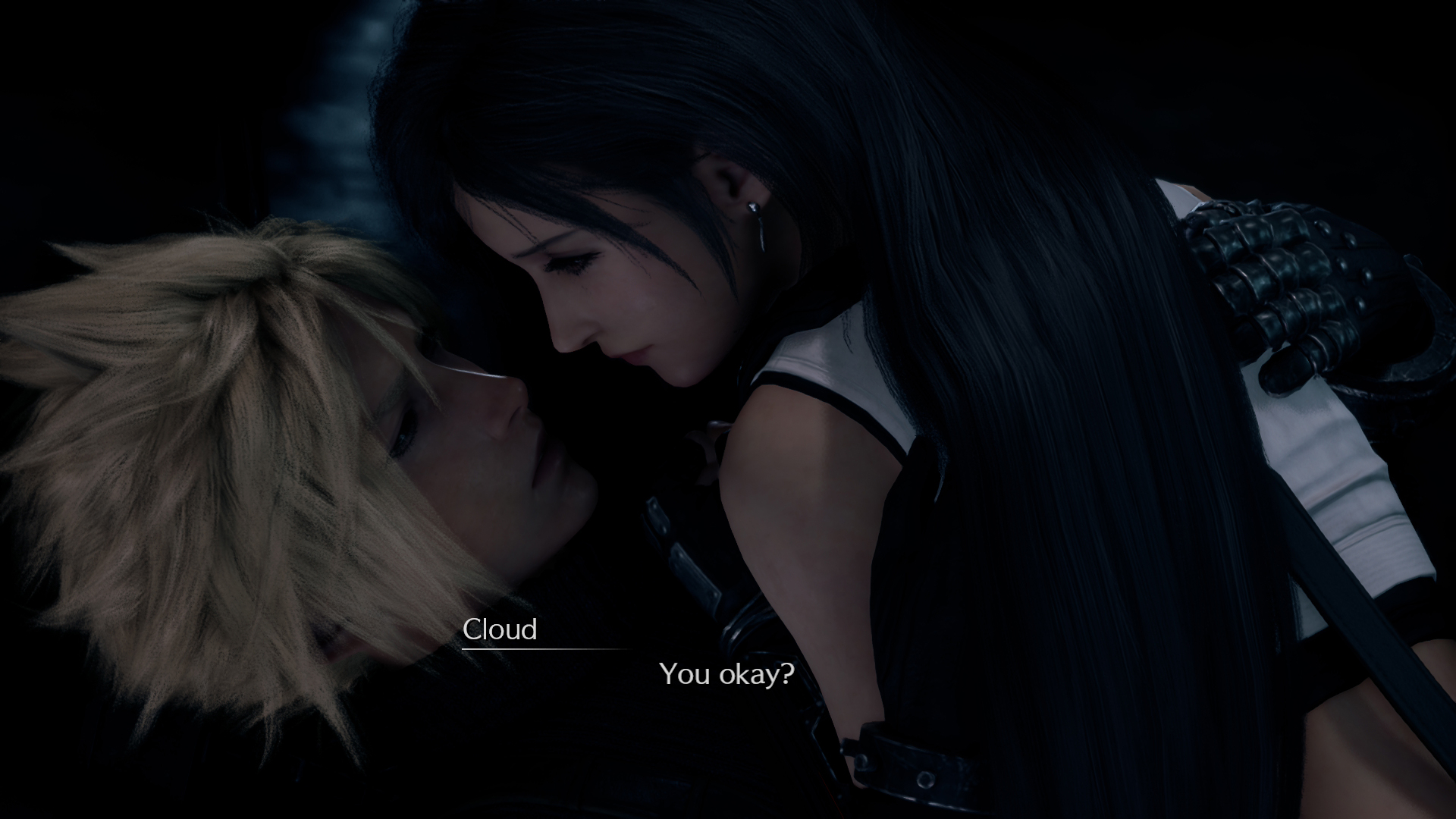
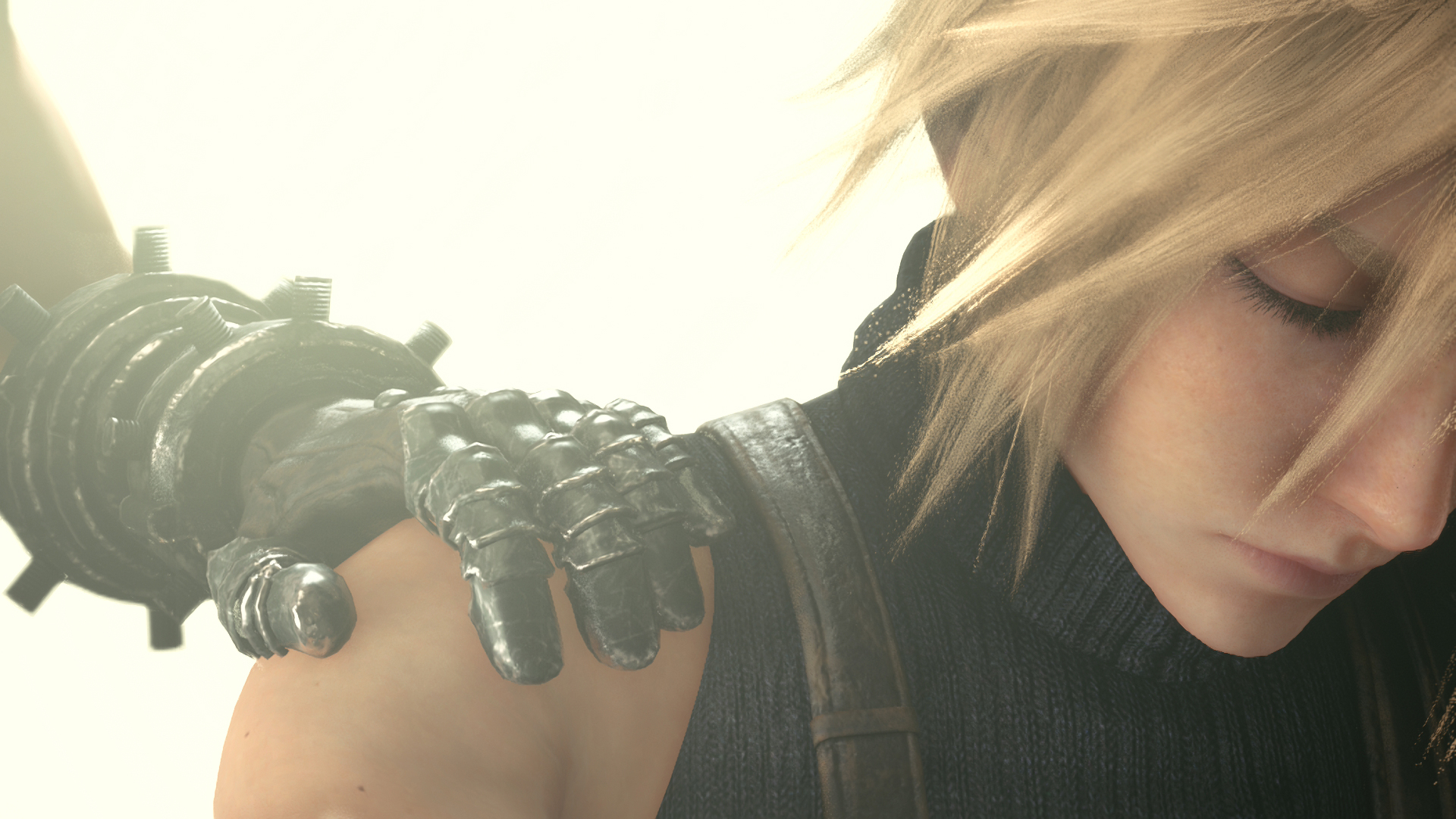
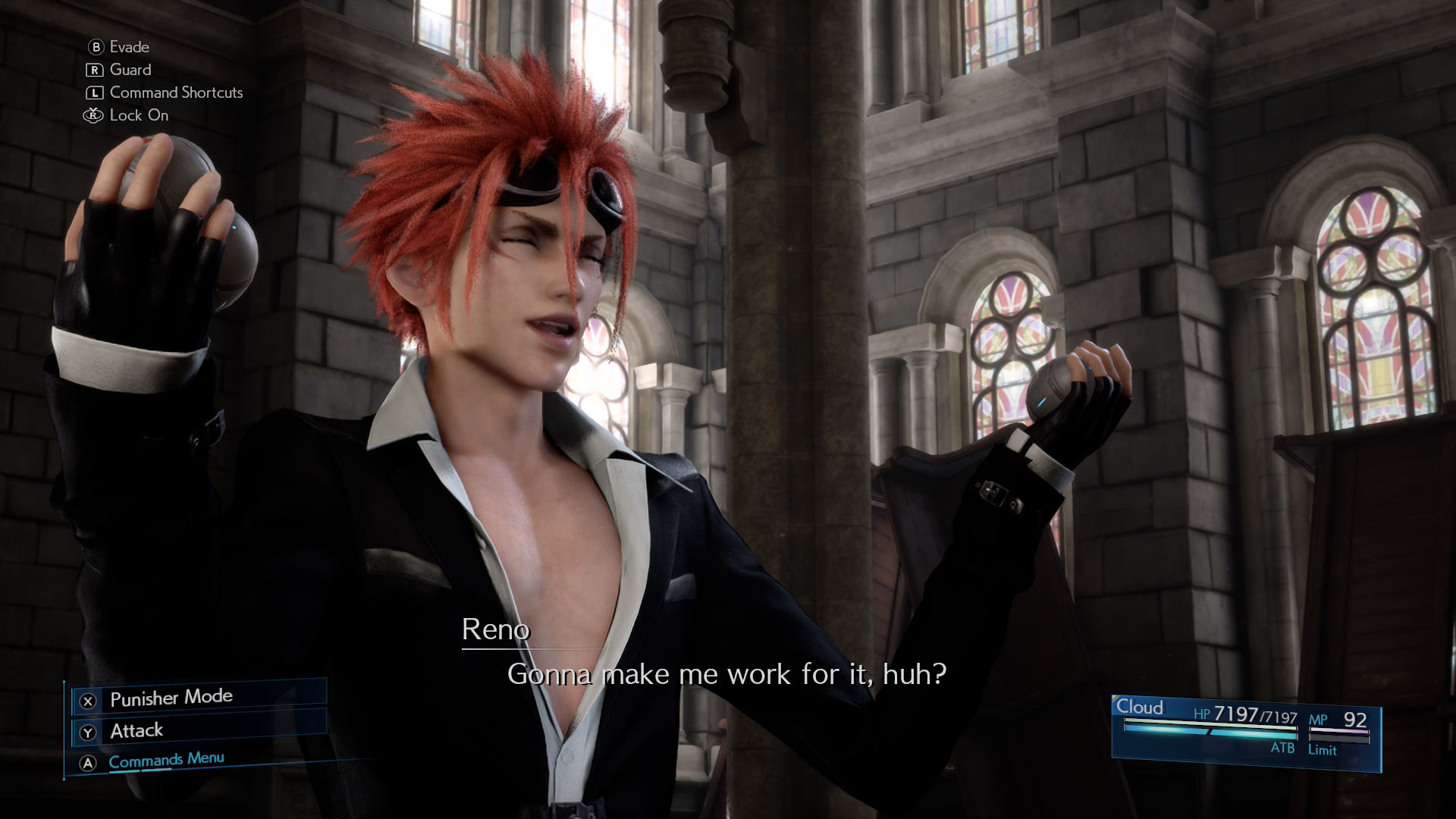
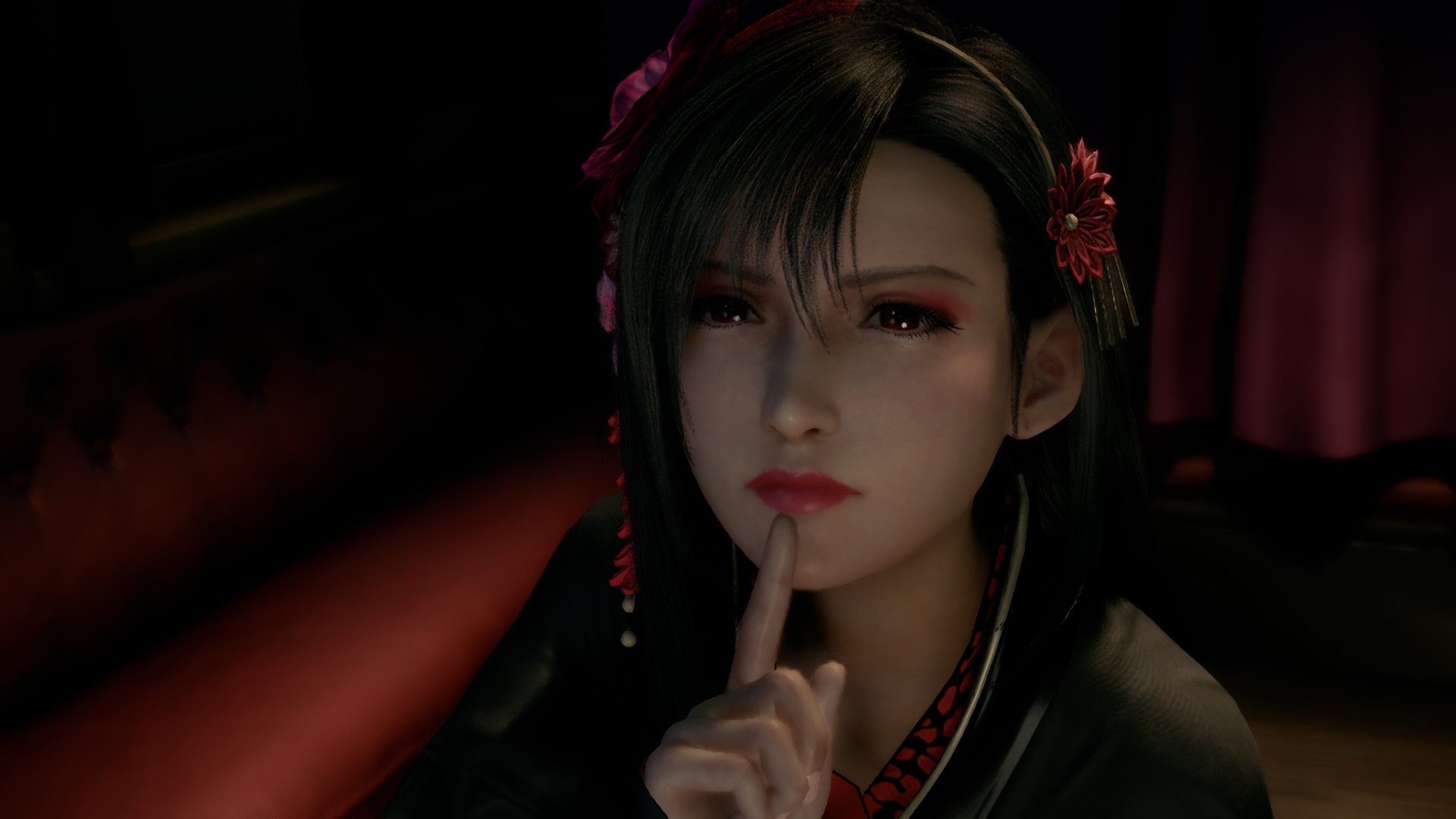
Screenshot captured on the Nintendo Switch 2 in Handheld Mode
Final Fantasy VII Remake Intergrade does include the updated “Head Start” option for players who wish to begin the game with characters at level 45, additional gil (in-game currency), and high-level equipment. However, new weapons must still be acquired through gameplay. “Streamlined Progression,” another new feature, which will also be released as an update for the PlayStation 5 and PC. This feature acts as a cheat code, ensuring that health and magic points are always maxed out, limit and ATB gauges are always full, allowing players to constantly use skills in battle, dealing 9,999 damage, earning max gil, extra experience points, and more.
Using this feature may make the game less challenging, but it can be useful for players struggling with tough VR missions or those who simply want to enjoy the story without worrying about character stats and finances. The choice to use it is up to the player, as it can be disabled at any time, unlike the “Head Start” option.
The Final Limit
Final Fantasy VII Remake Intergrade for the Nintendo Switch 2 offers a smooth and enjoyable portable experience. With all the latest content and updates, it’s hard to resist picking this up, even if you’ve already played it before. It’s the most convenient way to experience Midgar on the go.
A Nintendo Switch 2 code was provided for this review and screenshots. Final Fantasy VII Remake Intergrade for the Nintendo Switch 2 and Xbox Series X/S releases January 22, 2026. The game is also available for the PlayStation 5 and PC.
Related Stories
Related Posts



Leave a Reply
Subscribe
Login
0 Comments
Oldest