4.25 out of 5
Yeah!
Purrr....
- Packed content
- Large roster
- 3v3 battles
- Story Mode
Hisss!
- Repetitive moments
- Difficulty spikes
- Performance hiccups
Platform
PlayStation 5, Xbox Series X, PCPublisher
Bandai Namco EntertainmentDeveloper
Byking Inc.Series
My Hero AcademiaGenre
FightingPlayers
1-2Release Date (NA)
Feb 6, 2026Filed Under
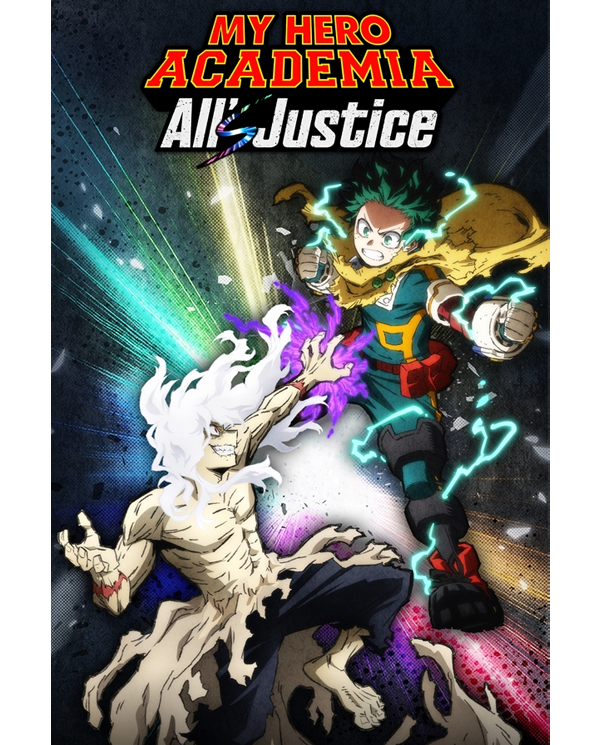
My Hero Academia: All’s Justice is the newest game based on the popular anime and manga series. The game offers a vast amount of content for players to explore and one of the best games for the popular series, but its repetitive nature and difficulty spikes may prove challenging for newcomers looking to experience the series’ most memorable moments. Regardless, it’s the best My Hero Academia game for the fans to experience.
Turn Up the Heat
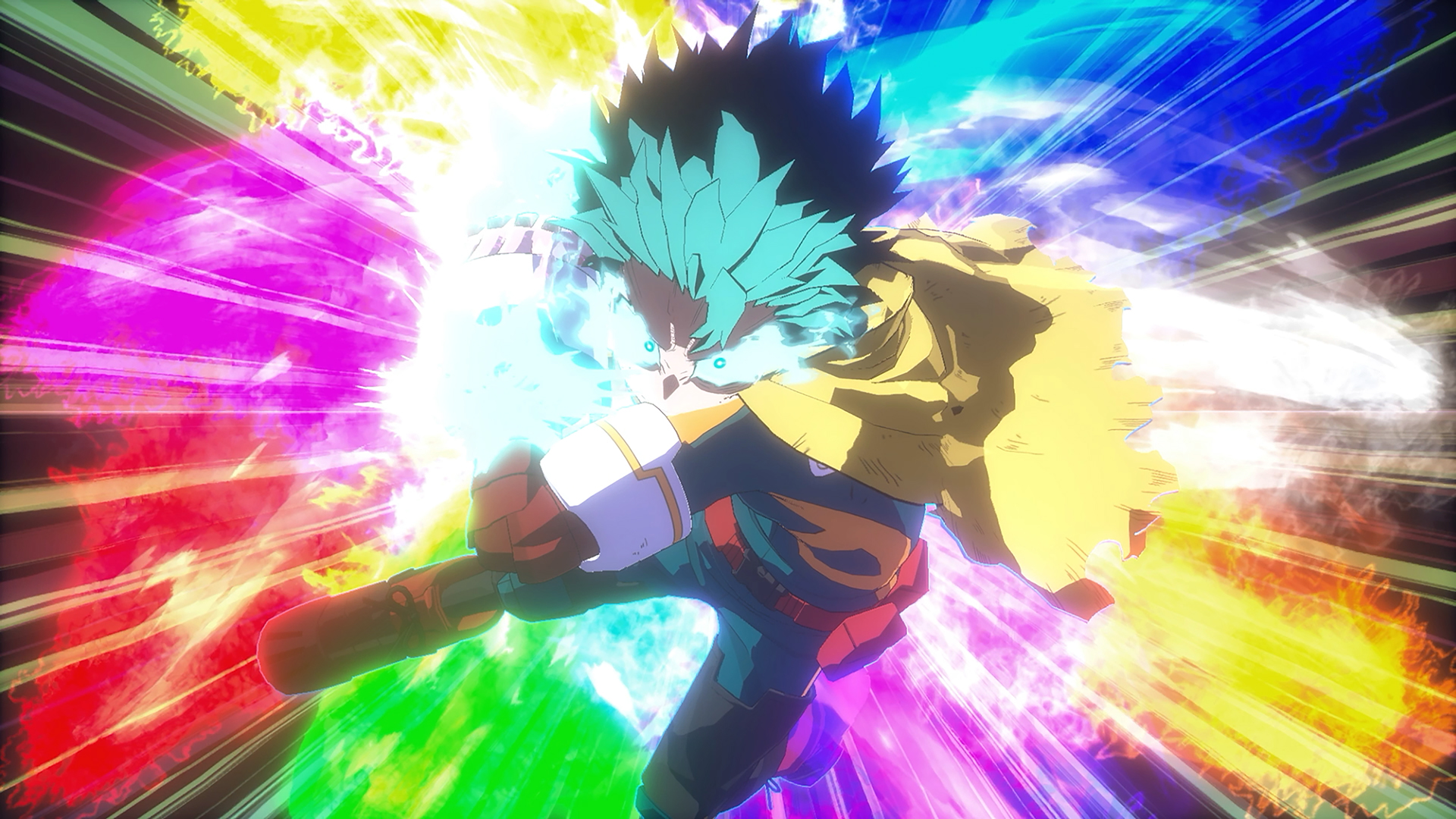
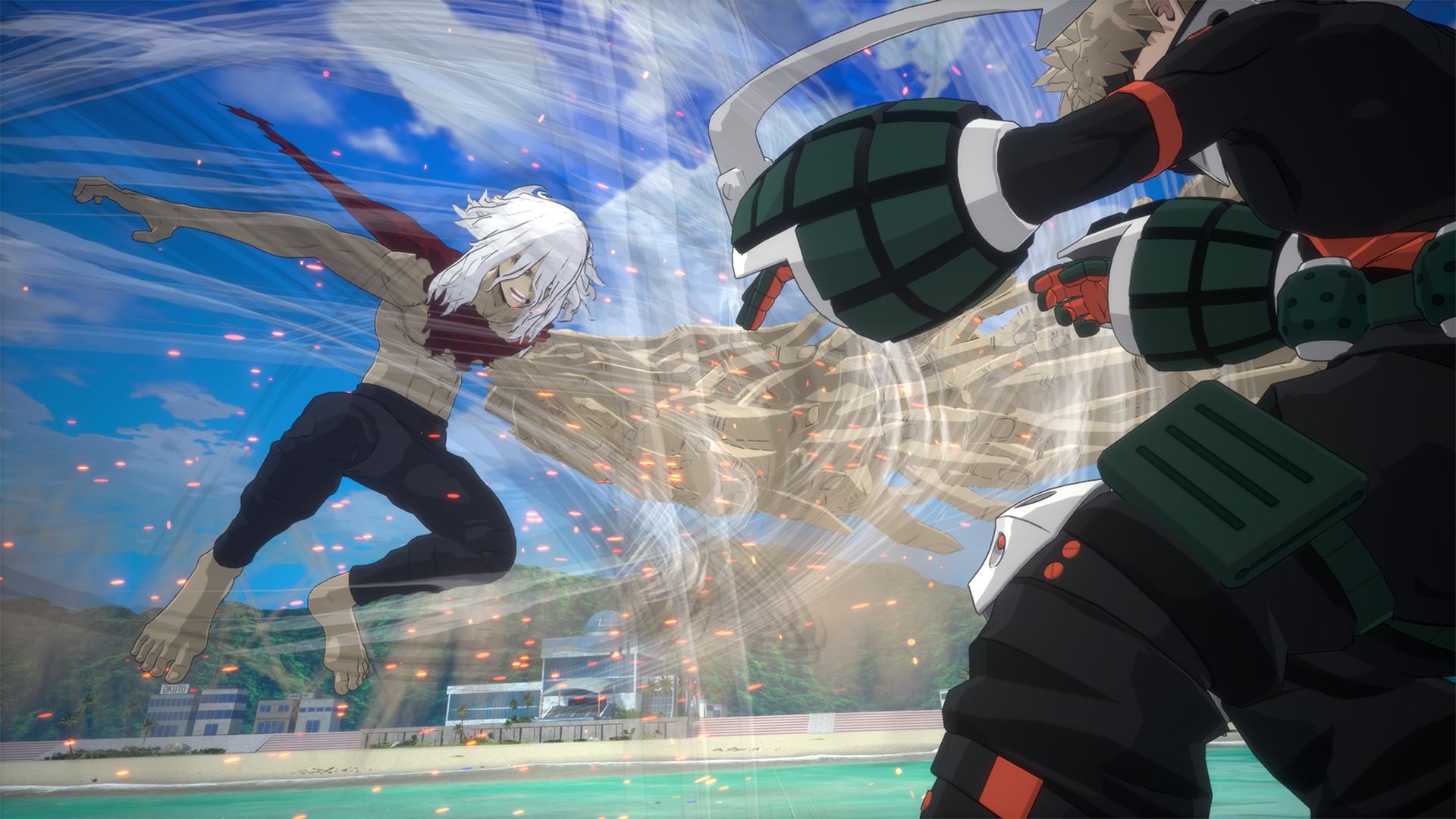
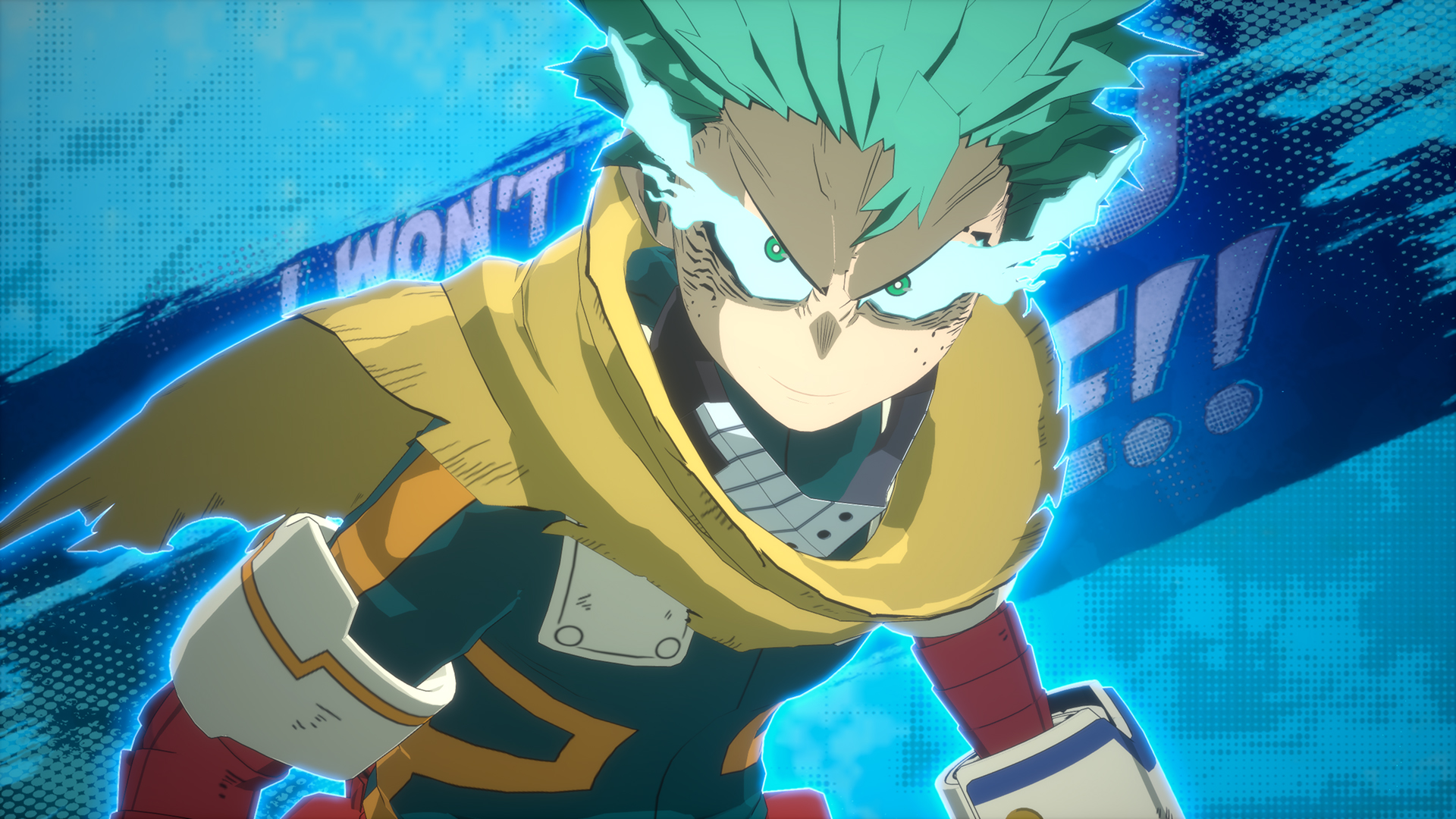
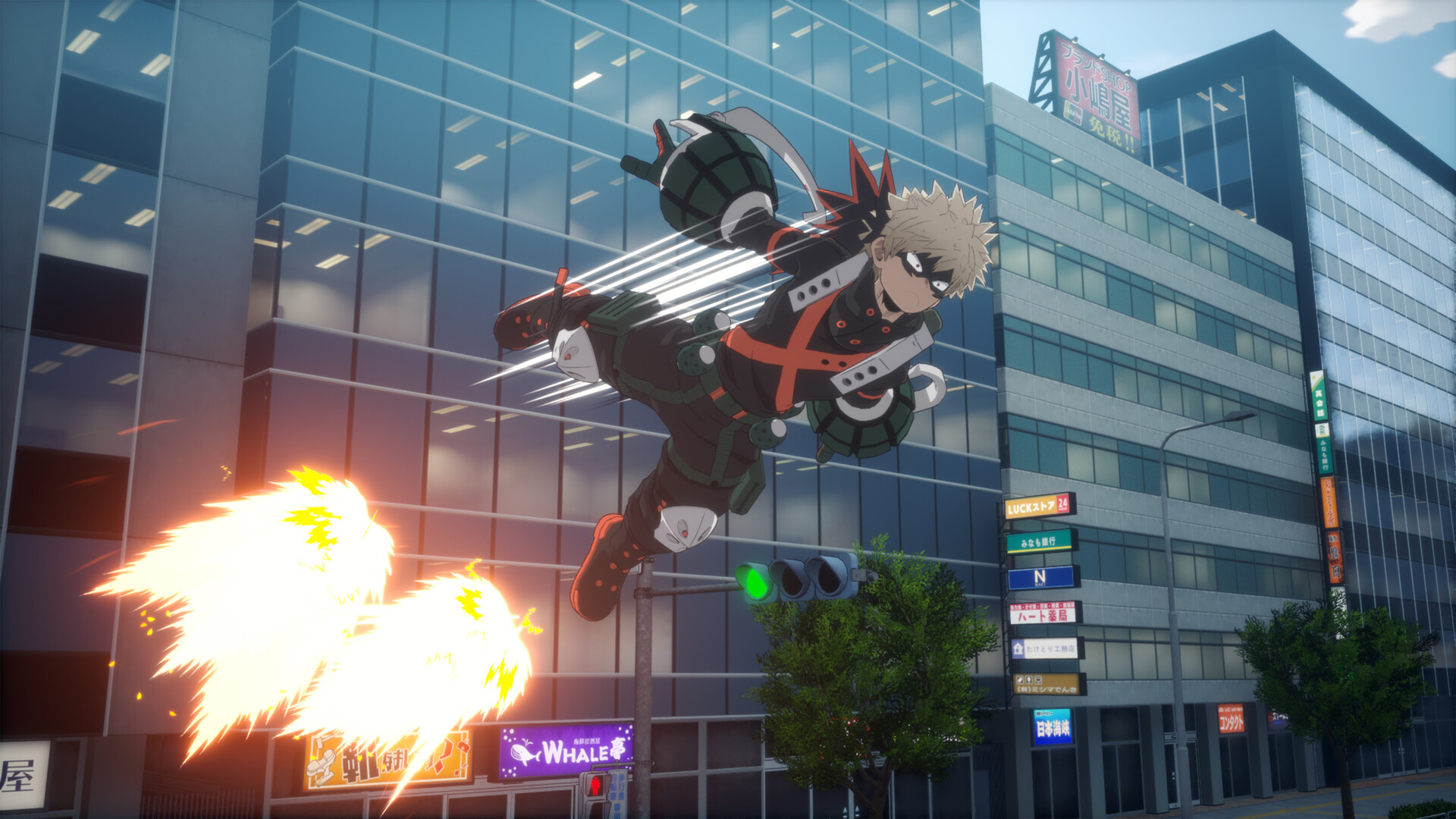
In All’s Justice, battles are fought in a 3D arena fighter, similar to previous to the My Hero One’s Justice games. However, instead of one versus one, All’s Justice is played by three versus three tag-team battles. With a large roster of over fifty characters, with more to come as DLC, it’s an impressive amount of characters to choose from. Though some roster spots have multiple characters, such as different versions of Midoriya (Deku), it is nothing to be concerned about when compared to Dragon Ball: Sparking! Zero. While many characters from the series, especially in the last arc of the series, are present, some characters are missing and hopefully will be added soon in the near future, such as Cathleen Bate (Star and Stripe).
Each fighter has their own set of quirks (supernatural powers) that can be utilized in battle with simple commands on the controller. The commands are the same for every fighter, so do not expect deep mechanics in this arena fighter game. It does become a repetitive battle for those looking for a deeper mechanic. Swapping characters is very simple to execute, and the game limits the frequency with which players can swap, preventing spamming.
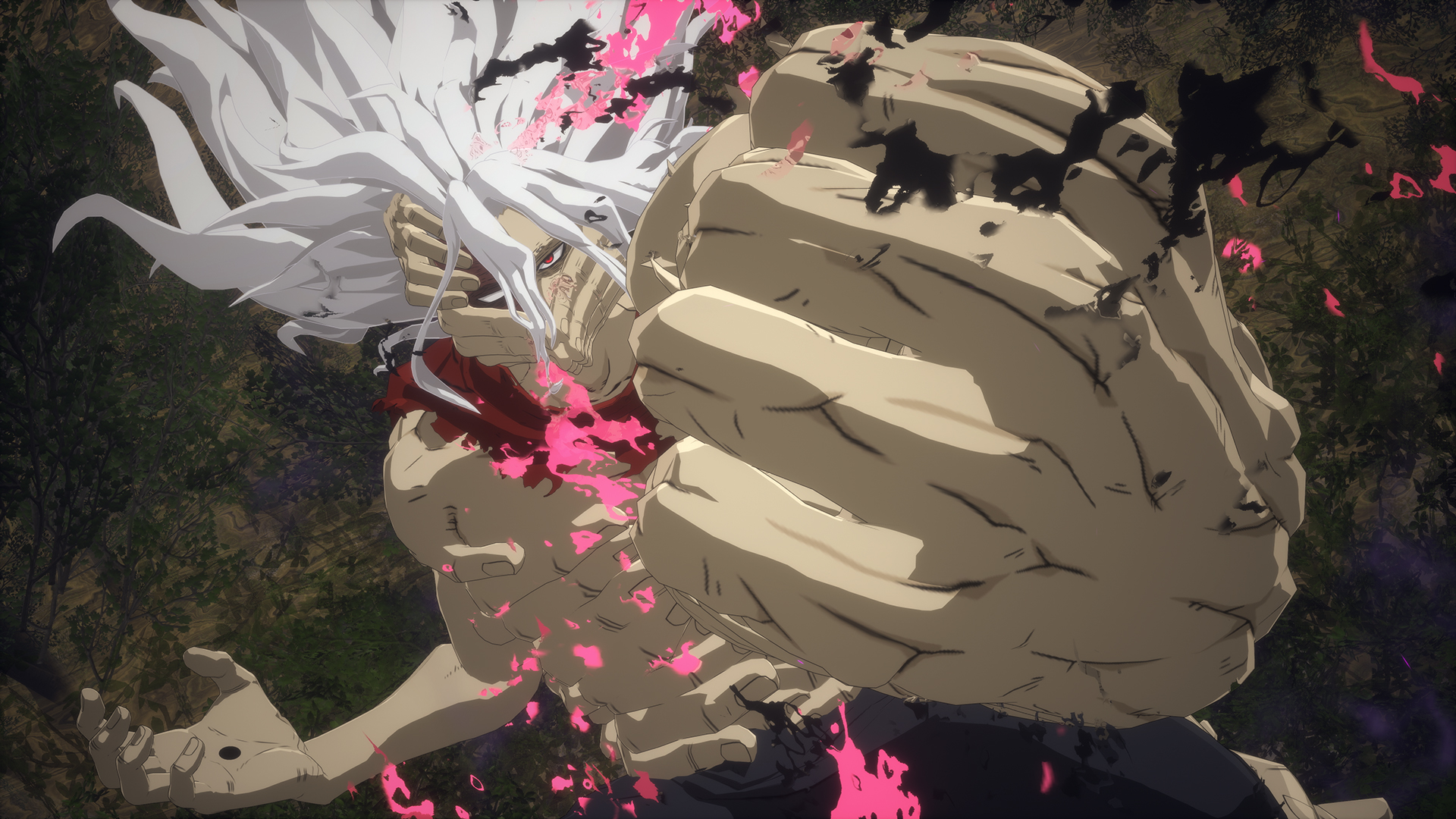
Each fighter’s quirks work in various ways; for example, All Might’s powers are better up-close, whereas Tsuyu Asui (Froppy) can use her frog-like tongue to attack from afar. Additionally, some characters use their quirks to slow down enemies or cause them to go into a confused state. It’s noticeable that some characters have quirks that are more powerful than others, such as All Might’s attacks, though his speed counters this. There are other characters that have quirks that cause annoying combos that can be challenging to avoid. For example, Shigaraki’s quirks, when used constantly, become very annoying, and it’s up to the player to dodge, counter, or initiate a Combo Breaker. Combo Breakers are limited but are helpful to get out of a mess.
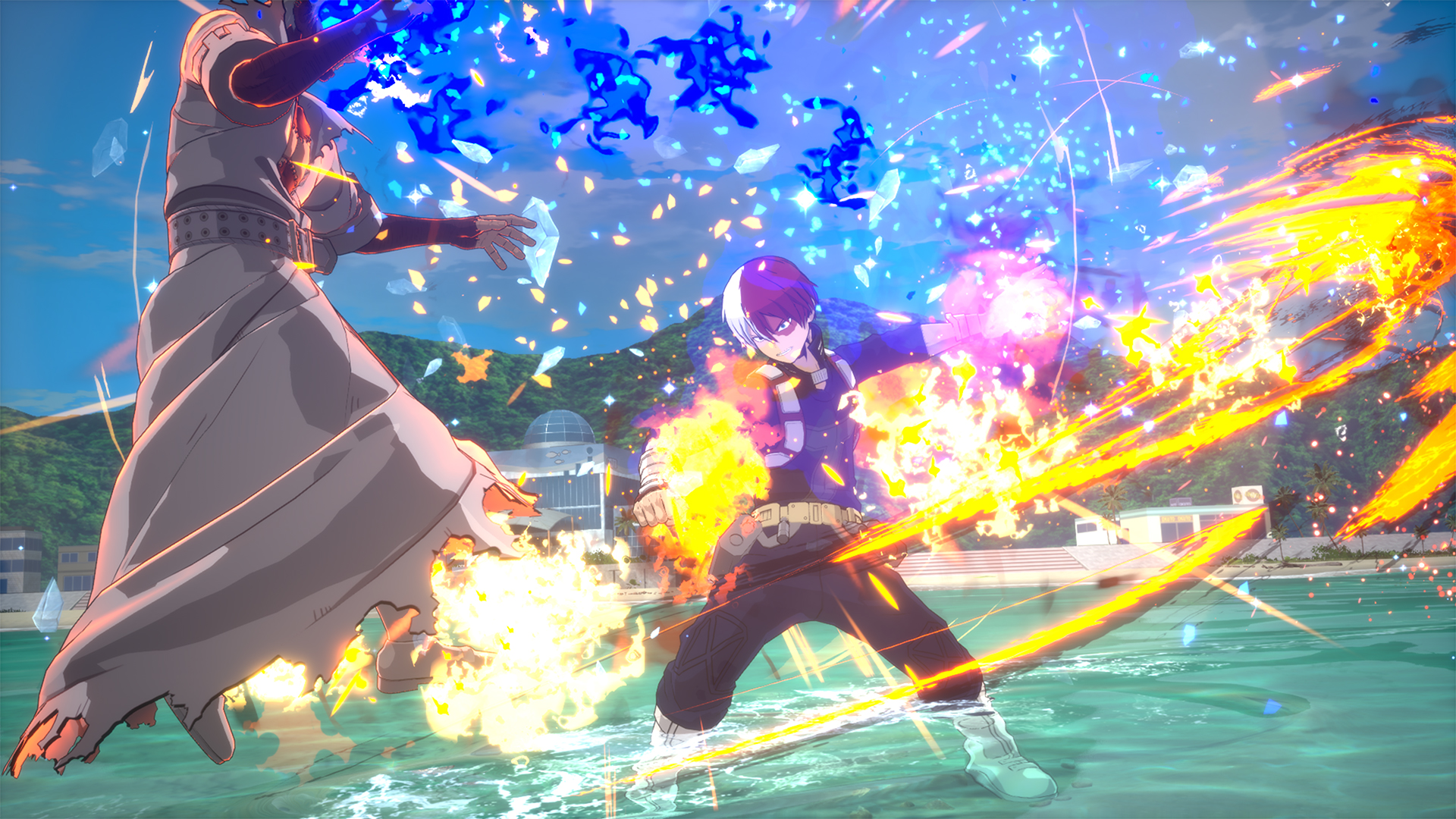
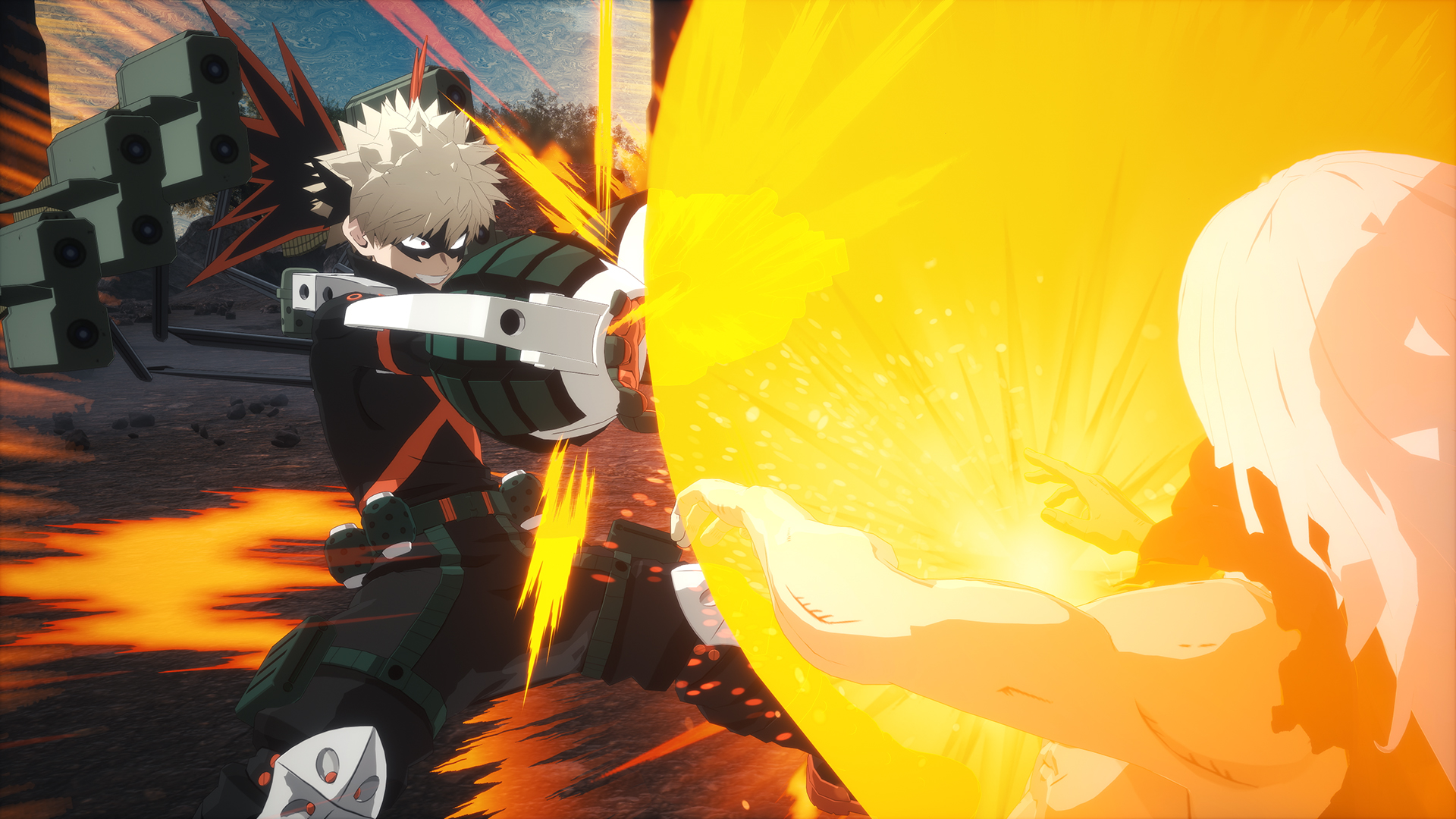
While fighting, players can initiate two different power-up states for some massive damage, such as Rising or Plus Ultra. Rising’s gauge fills faster during battle, and when initiated, the gauge will deplete. During this state, your fighter’s attack increases and at times their form can change to match their anime forms, making these fighters more interesting. The drawback is that you cannot swap to a different fighter. If you are on your last fighter, your character is automatically in the Rising state. This goes for any opponent, except for some moments in the Story Mode.
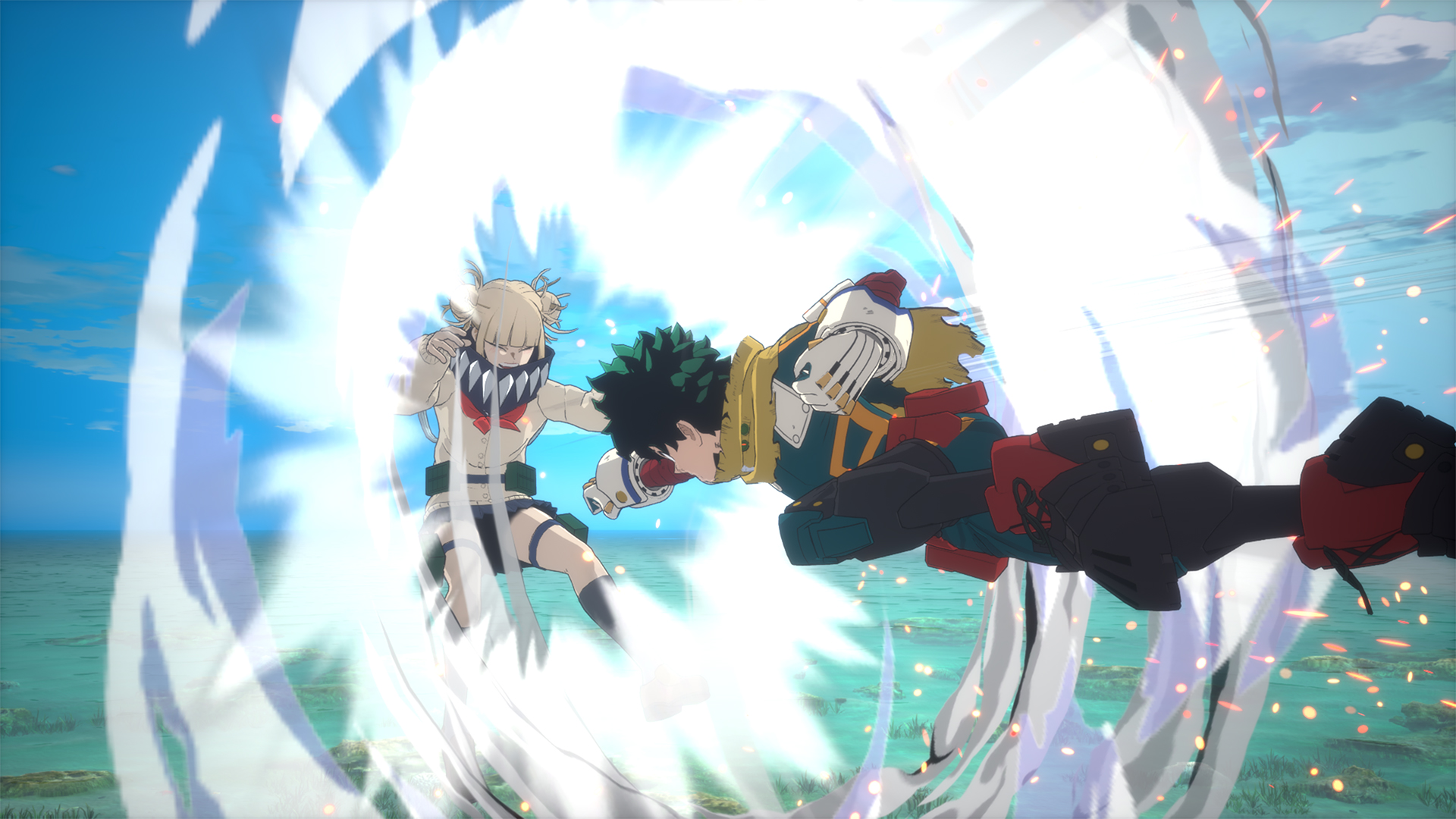
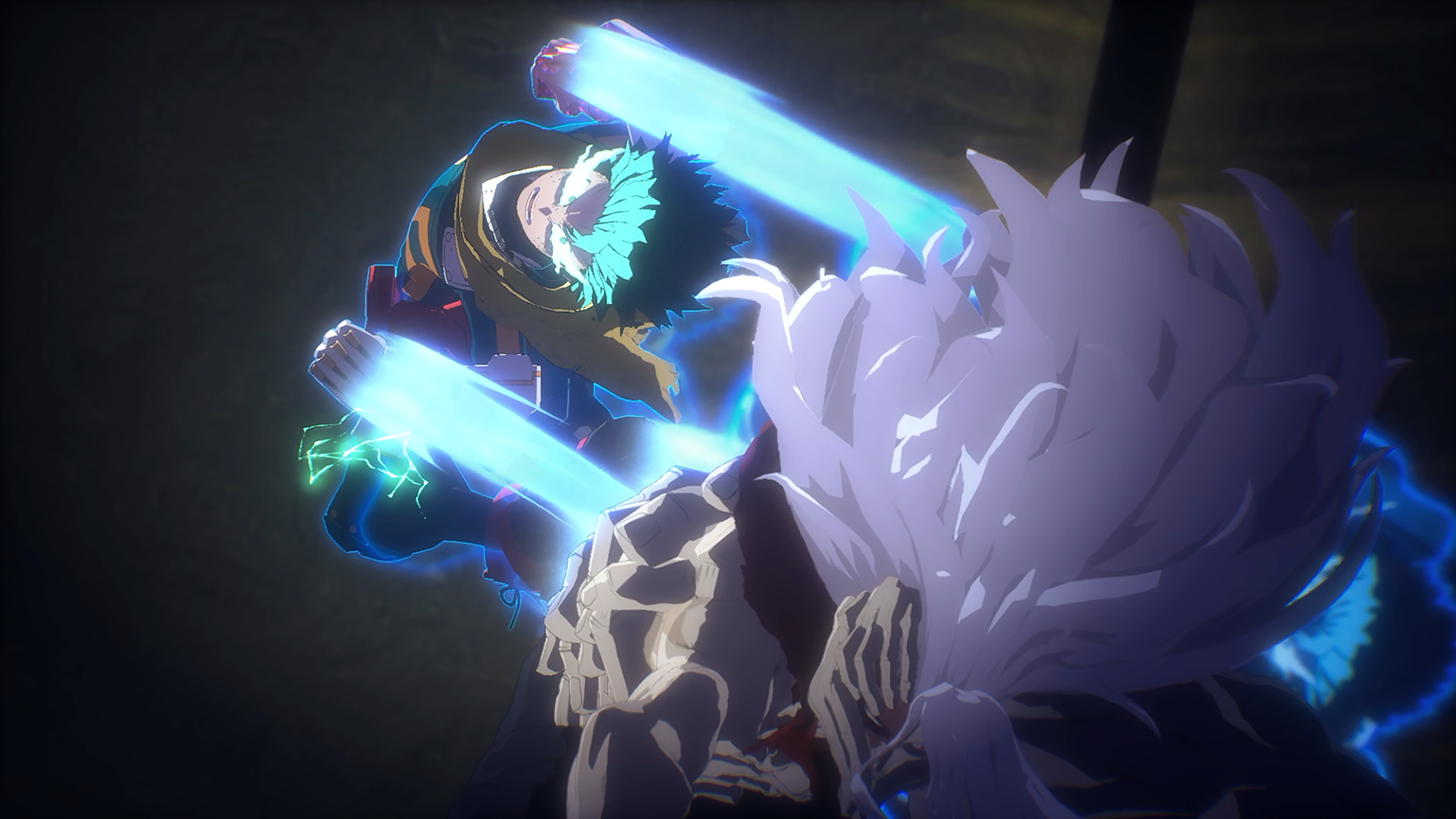
Plus Ultra unleashes powerful, cinematic scenes that can cause great damage if they connect. If your special move requires you to be close enough to your opponent and you are too far, the move will fail, and you lose the opportunity to use it and have to fill it back up. You can store a maximum of three. If you have multiple bars filled, a teammate will join (if available) to cause additional damage after your character is finished with theirs. Many special attacks are flashy and energetic to stay on pace with the anime’s style.
All’s Justice has a diverse roster with minimal character clones, allowing players to create an all-star team that can give opponents a tough challenge. With more fighters set to be added in the near future, the roster will receive an extra boost of variety. Making the game one of the best looking rosters in arena styled fighting games.
A Field of Battles
When battling in the open field, you’ll have a large area to engage in combat. Some arenas have obstacles, and if you go behind them, a silhouette is showcased on the character to help players know where the fighters are located. Different leveled platforms can be annoying when trying to attack or avoid enemy attacks, but they do add depth to the battlefield.
While playing in an arena of broken-down buildings, debris will fly around. During one battle, the game did experience a drop in performance while playing on a PlayStation 5 Pro console. Compared to our hands-on experience at PAX West, the development team has ironed out a lot of the performance issues. It was only a one-time occurrence, but players should take note that this can happen and expect a patch from Bandai Namco to be released after launch.
Beginning of the End
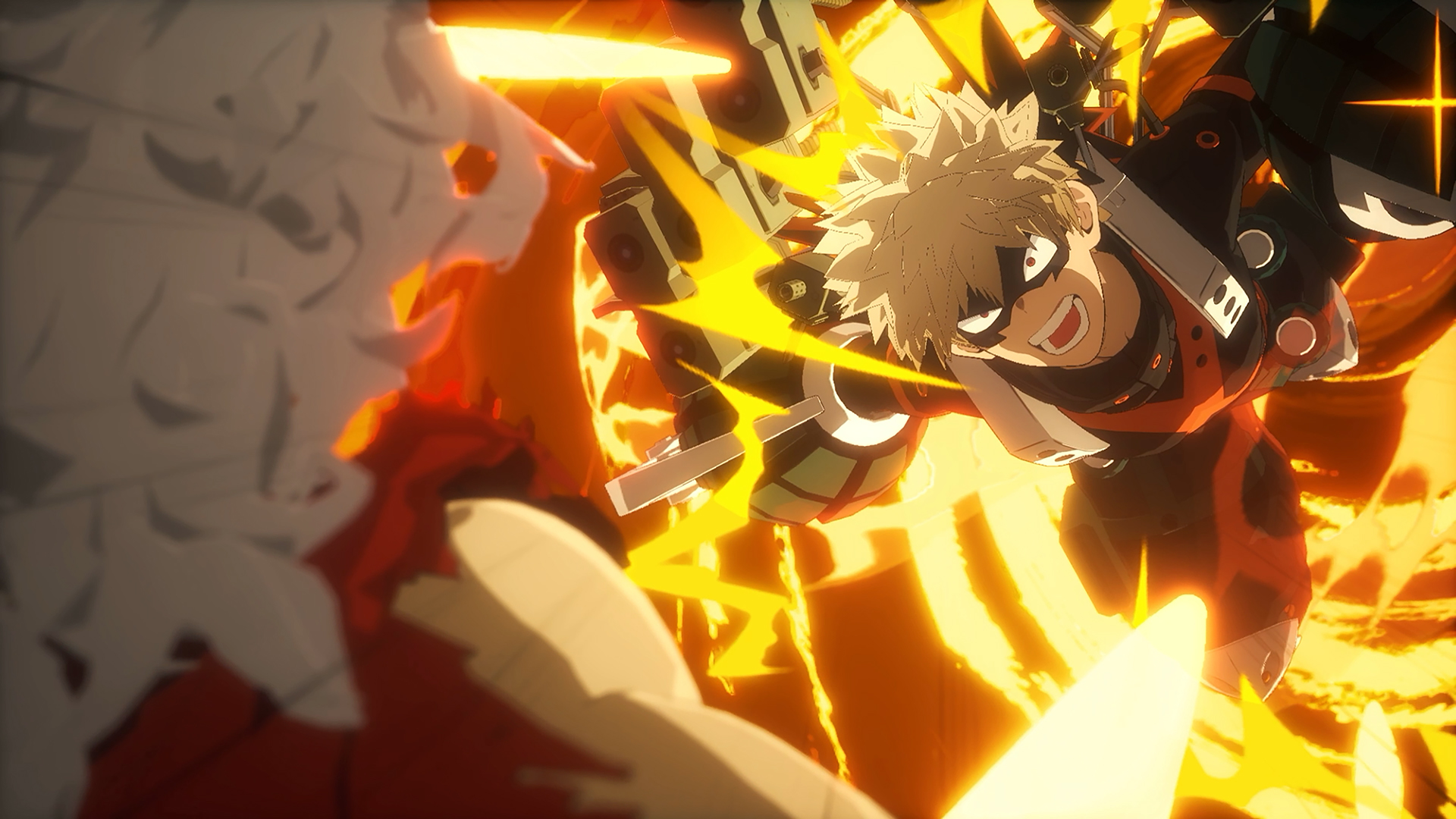
All’s Justice focuses on the final arc of the popular series, My Hero Academia. If you have not finished watching or reading the series, be aware that there are spoilers ahead! The game includes a separate mode dedicated solely to the story of this arc, allowing players to experience each scenario and relive each moment firsthand. It’s an exciting journey through the various timelines that lead to the conclusion of the arc.
Battles in the game vary in style and intensity. Players may find themselves in various hero versus villain matchups such as three versus three or one versus three scenarios. This variety keeps the Story Mode engaging and entertaining. For example, battles like Deku vs Shigaraki may consist of multiple encounters in a row, with dialogue exchanges between the fighters changing with each battle. Once you start, you don’t want to stop.
Throughout the game, players are treated to video clips featuring scenes from the anime series. Some of these scenes are beautifully animated and captivating, providing additional context before or after key battles. While some are fully animated using the game’s models, others are still images with limited animation, which can be a bit disappointing. Viewing these scenes on a 4K television with a PlayStation 5 Pro may reveal some compression issues.
The difficulty of battles also varies, with some fighters possessing quirks that deal heavy damage. This can create a sense of imbalance in power, requiring players to strategize and react quickly to avoid defeat. Counterattacks from opponents can deplete a significant portion of your health gauge, adding to the challenge. The final battles in Story Mode, especially the last one, are particularly tough, occurring consecutively with little opportunity to recover health. Players must learn to counter enemy attacks, switch between characters (if possible), and utilize power-ups like Rising and Plus Ultra. Unfortunately, there is no option to adjust the difficulty level in any mode besides Free Battle.
For those interested in revisiting previous story arcs, the game offers an Archives Battle Mode featuring iconic battles from the anime. These can be unlocked by progressing through the Team Up Missions.
Let’s Team Up!
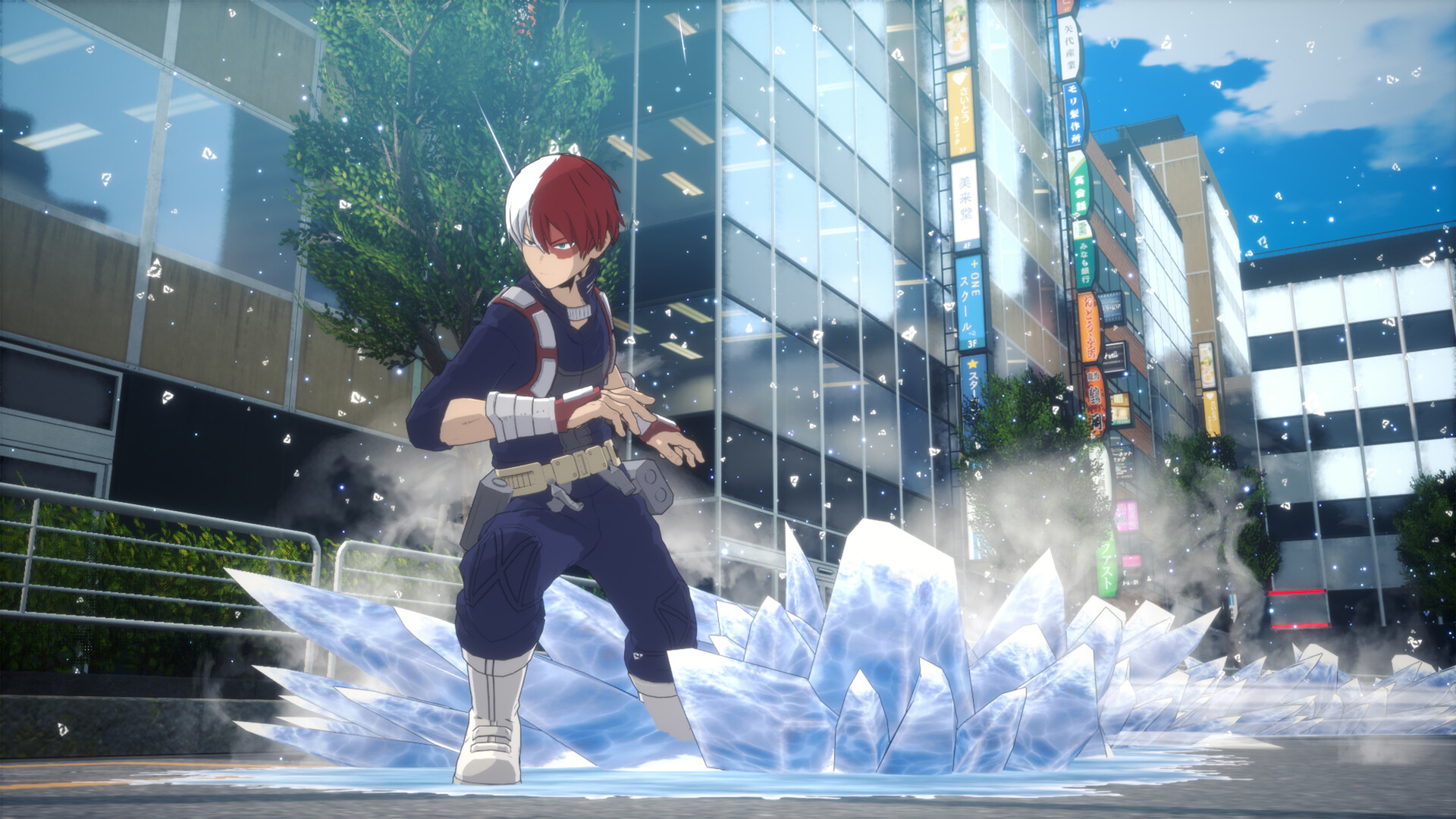
Outside of Story Mode, All’s Justice‘s Team Up Mission mode is another layer of content designed to engage players. This mode unlocks additional content such as more battles in the Archive Battle mode, costumes, and more. It plays uniquely differently than other modes and aims to be more of an action role-playing game.
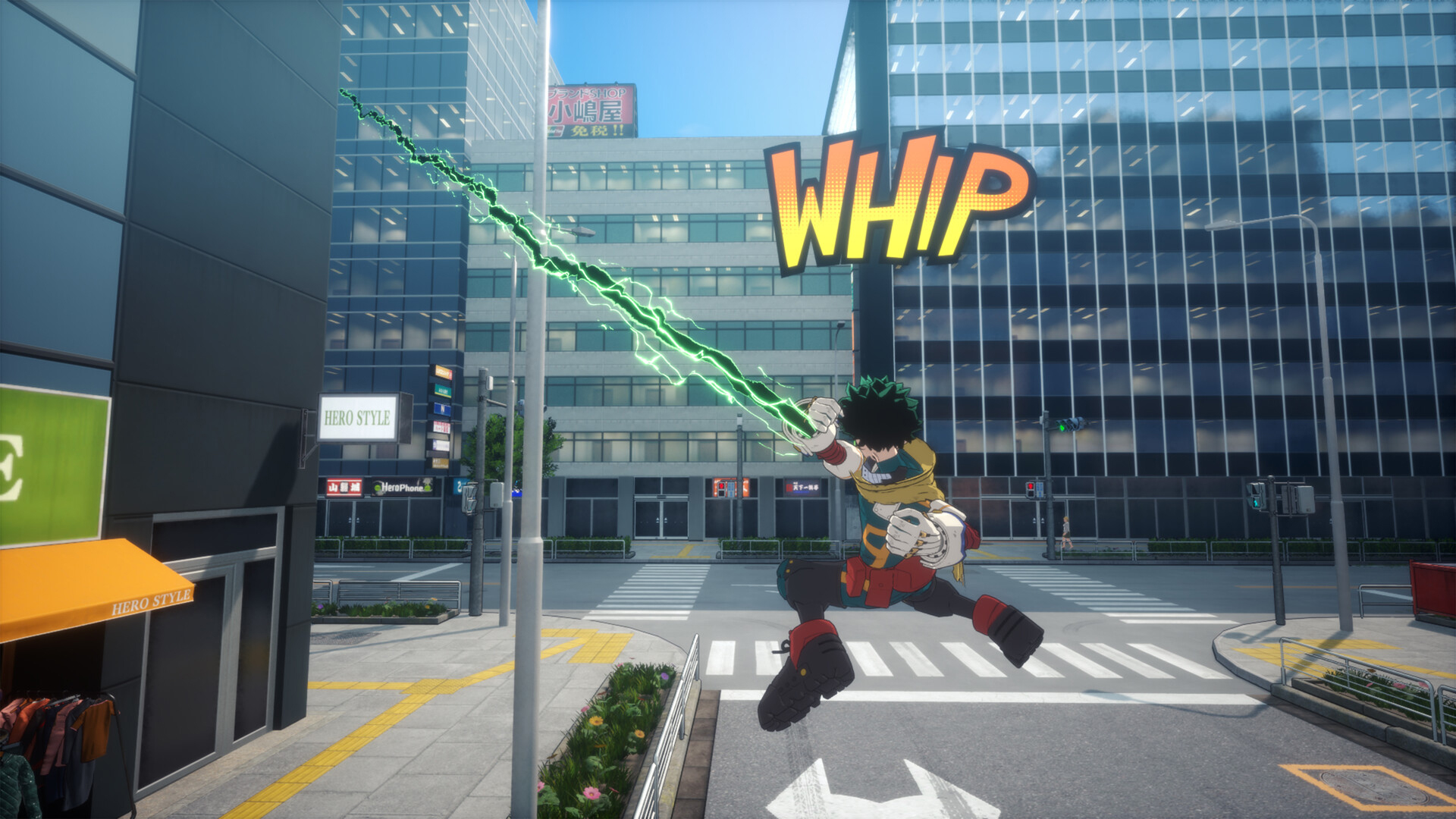
The story in this mode revolves around U.A. High School setting up a virtual simulation environment of a replica city for students to prepare for missions. Players start off as Deku and can unlock more fighters to join their team by completing the mission’s story. This becomes helpful when facing enemies in the simulation.
Players will also encounter other heroes wandering in the simulation. Interactions with them offer multiple choices such as battling or talking. Talking avoids battles, while battling can increase your team’s power and add to your mission score. The heroes can become assistants to your team during the mission, taking on side missions for quicker turnarounds. Once used, they leave your party and cannot be retrieved, but you still gain points for your overall mission. Making heroes assistants does not unlock them as fighters in your three-team roster; completing the main mission story will unlock these characters.
As players explore the city, they can interact with civilians to take on requests like finding a missing item or battling small-time villains. Players can choose to complete the task themselves or assign it to their hero assistant. In battles, players will fight inside the simulation arena against multiple enemies. Winning matches earns points to achieve a higher rank, up to S rank. Health does not regenerate, but knocked-out characters recover some health. Regenerating health requires staying at a nearby hotel, which costs currency. Staying at a hotel changes the time of day, potentially revealing new side missions.
Overall, side missions and interactions with heroes can feel repetitive, as heroes’ dialogue remains the same in multiple encounters, and similar side missions can regenerate. While Team Up Mission mode offers a lot, it could benefit from some adjustments to enhance its uniqueness.
Other Things to Do
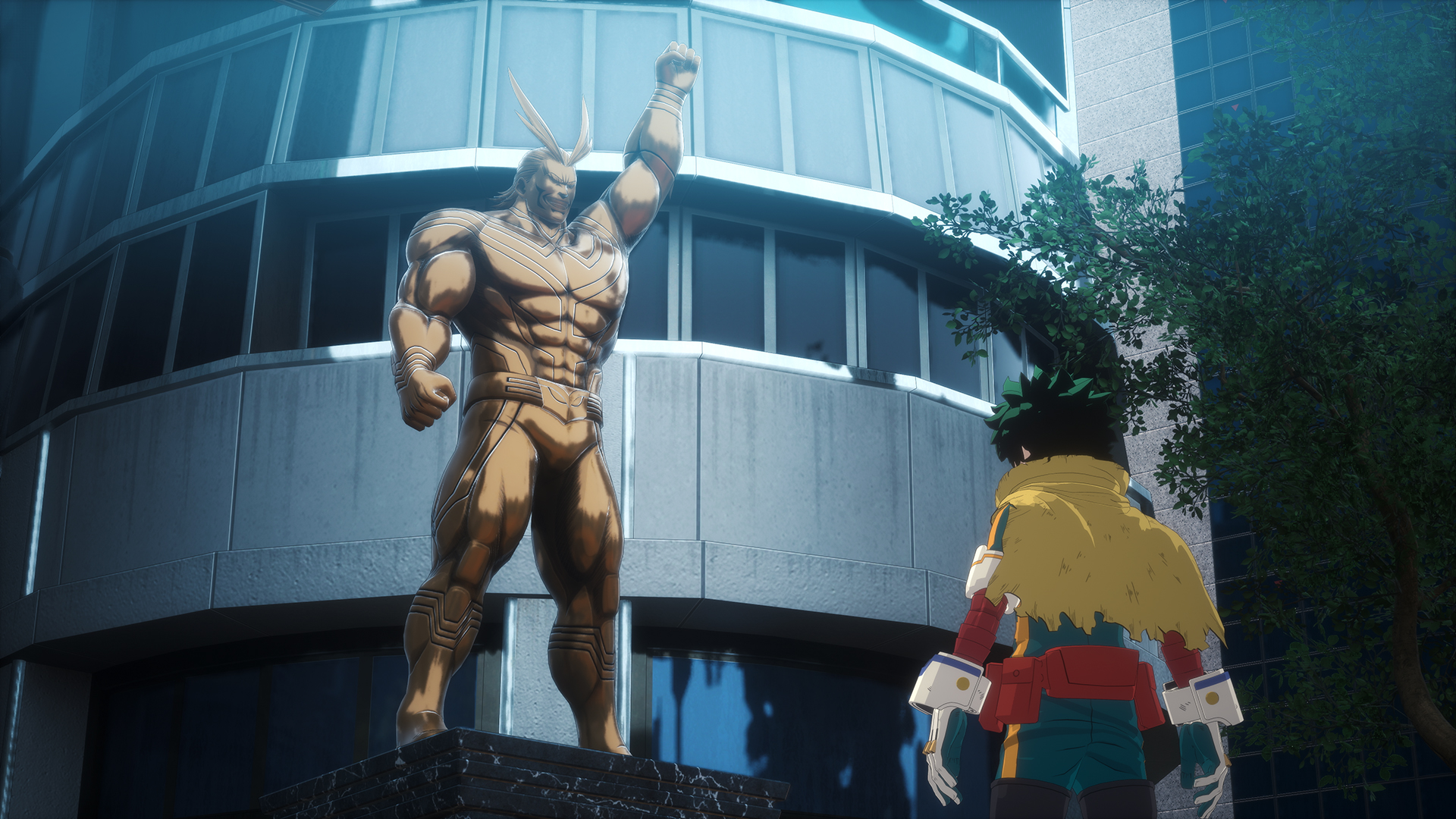
Whether you are in the customization mode or in the game’s main arena where you can choose between various game modes, All’s Justice lets players adjust how many civilians are walking around if the system is underperforming. When first playing the game on the PlayStation 5 Pro, there were no issues with the standard amount (highest setting). However, when entering one of the in-game shops, the game began to lag when trying to purchase customized items and continued after leaving the store. After rebooting the game, the issue never occurred again.
Players can also visit the restaurant to chat with other heroes but require each hero to be unlocked in the Team Up Mission. When chatting with a hero character, you can delve into their character mission, which is more of a side story with some interaction. There’s more to explore, such as rewatching video clips from the Story Mode, viewing collectible cards, and adjusting background music. Additionally, players can engage in battles in two-player mode or online battles.
Customized items range from costumes to adjusting battle screens. Players can also modify some of the visuals of the “Battle Start” or announcer voices but lack variety. Many of these customizations require in-game currency that’s easy to earn just by playing the game. Some costumes could use more variety than just color swaps that each character can equip. If you’ve purchased the Deluxe Edition, there are additional outfits that fans will enjoy.
The game offers a lot of content that goes beyond just fighting. It may feel overwhelming at first, but players will adjust to the amount of content in a short amount of time.
The Final Smash
My Hero Academia: All’s Justice offers a flashy, content-packed arena fighter with a large, impressive roster in its three-on-three tag-team battles. While some missions and fights can feel repetitive, and difficulty spikes can be frustrating at times, the variety of content and energetic battles make it a thrilling experience for My Hero Academia fans.
A PlayStation 5 review code provided for this review. My Hero Academia: All’s Justice arrives on the PlayStation 5, Xbox Series X/S, and PC on February 6, 2026. Fans can visit the official website for more details.
Related Stories
Related Posts










Leave a Reply
Subscribe
Login
0 Comments
Oldest