
Platform
Switch 2, PlayStation 5, Xbox Series X, PCPublisher
CapcomDeveloper
CapcomSeries
Monster Hunter StoriesGenre
Action, Adventure, RPGPlayers
1File Size (Minimum)
29.3 GBRelease Date (NA)
Mar 13, 2026Filed Under
Beautiful!
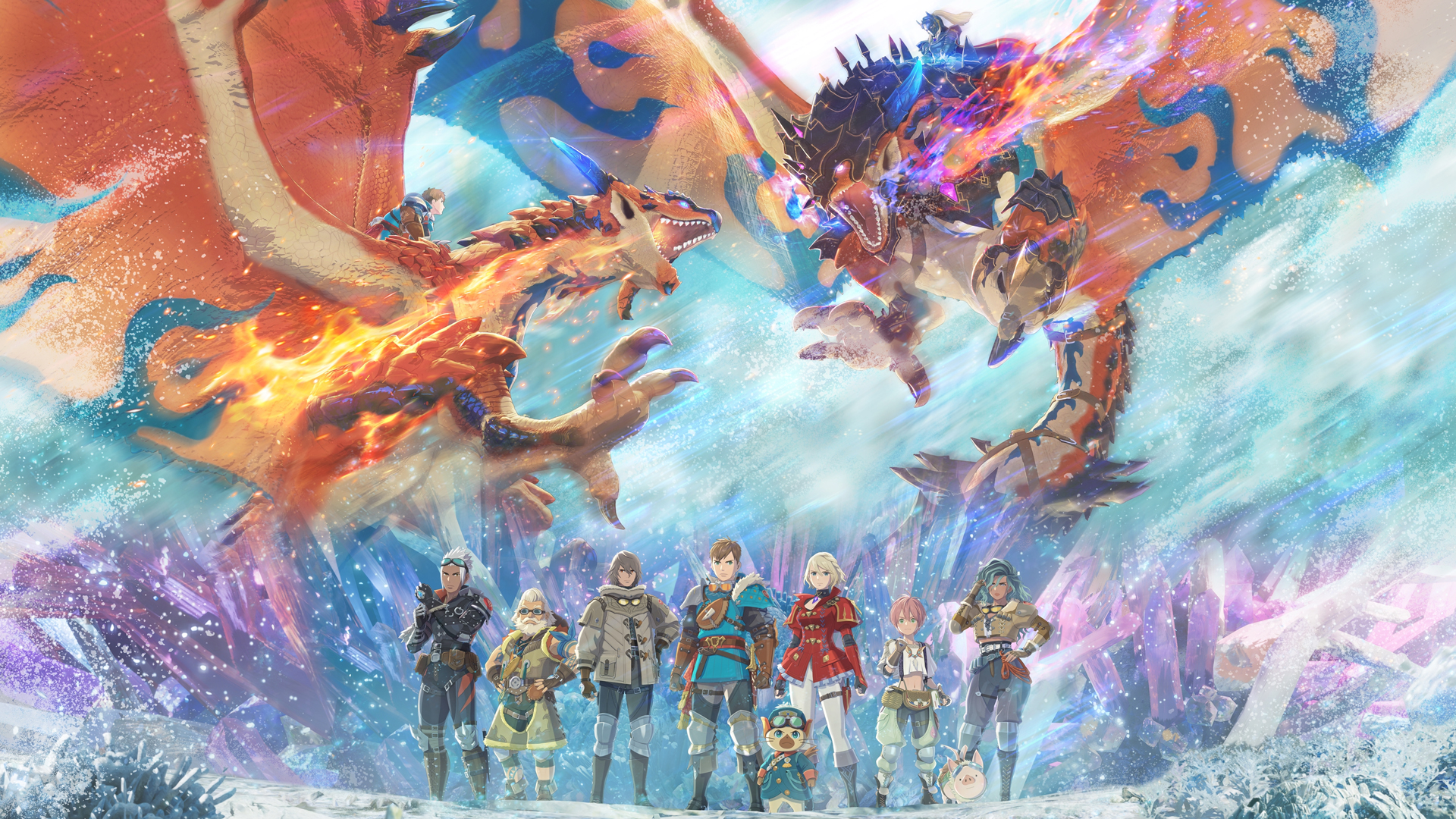
My first reaction upon playing Monster Hunter Stories 3: Twisted Reflection in person at New York Comic Con (NYCC) was pure excitement. There was a limited amount of gameplay available at the convention, but after the demo, I wanted to explore more.
Thanks to Capcom, I was able to delve deeper into the game at a more relaxed pace, without feeling rushed, and explore to my heart’s content. The game’s stability has improved significantly since the demo at NYCC, and the overall experience was incredibly enjoyable.
Customization Wonders
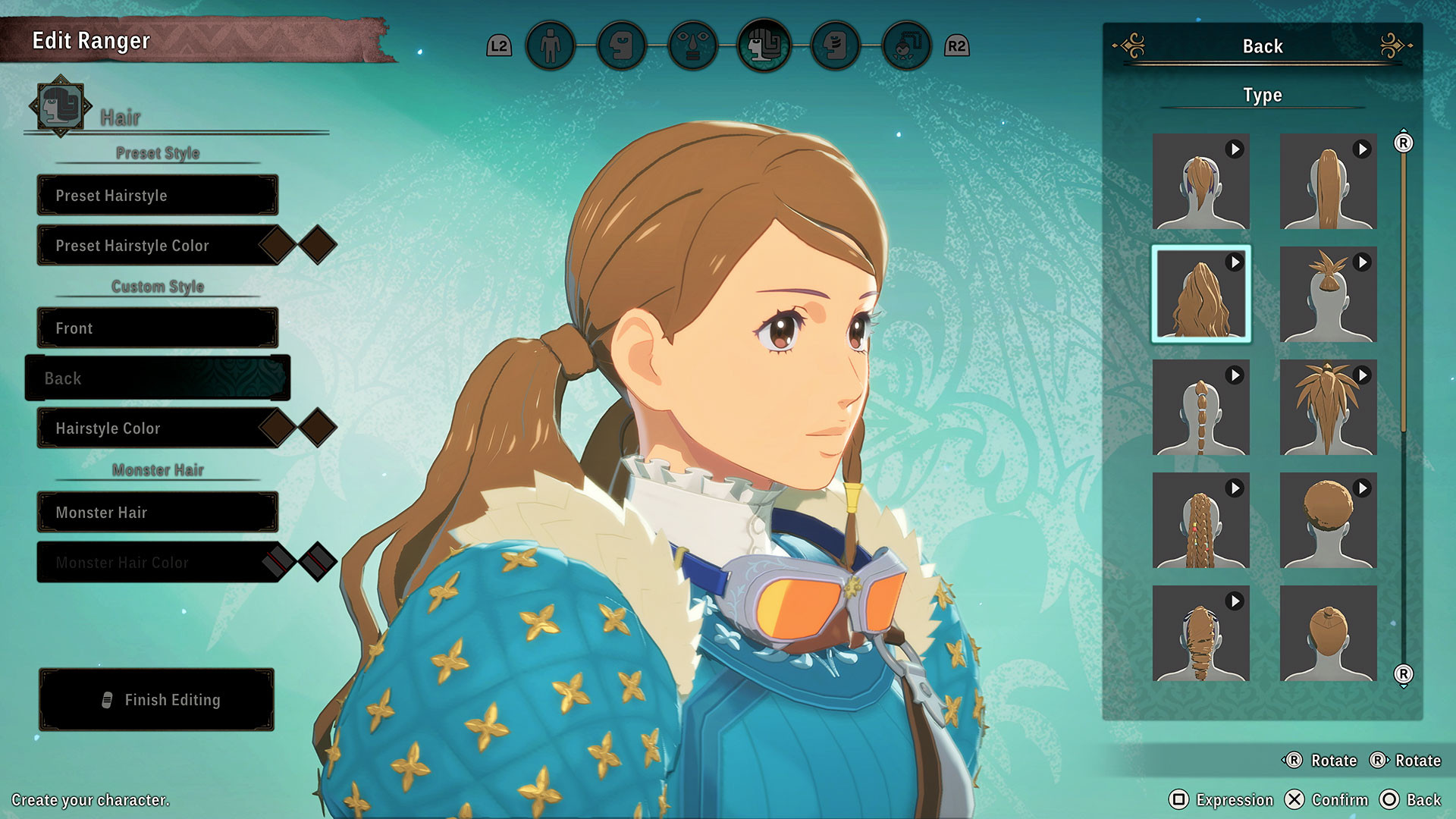
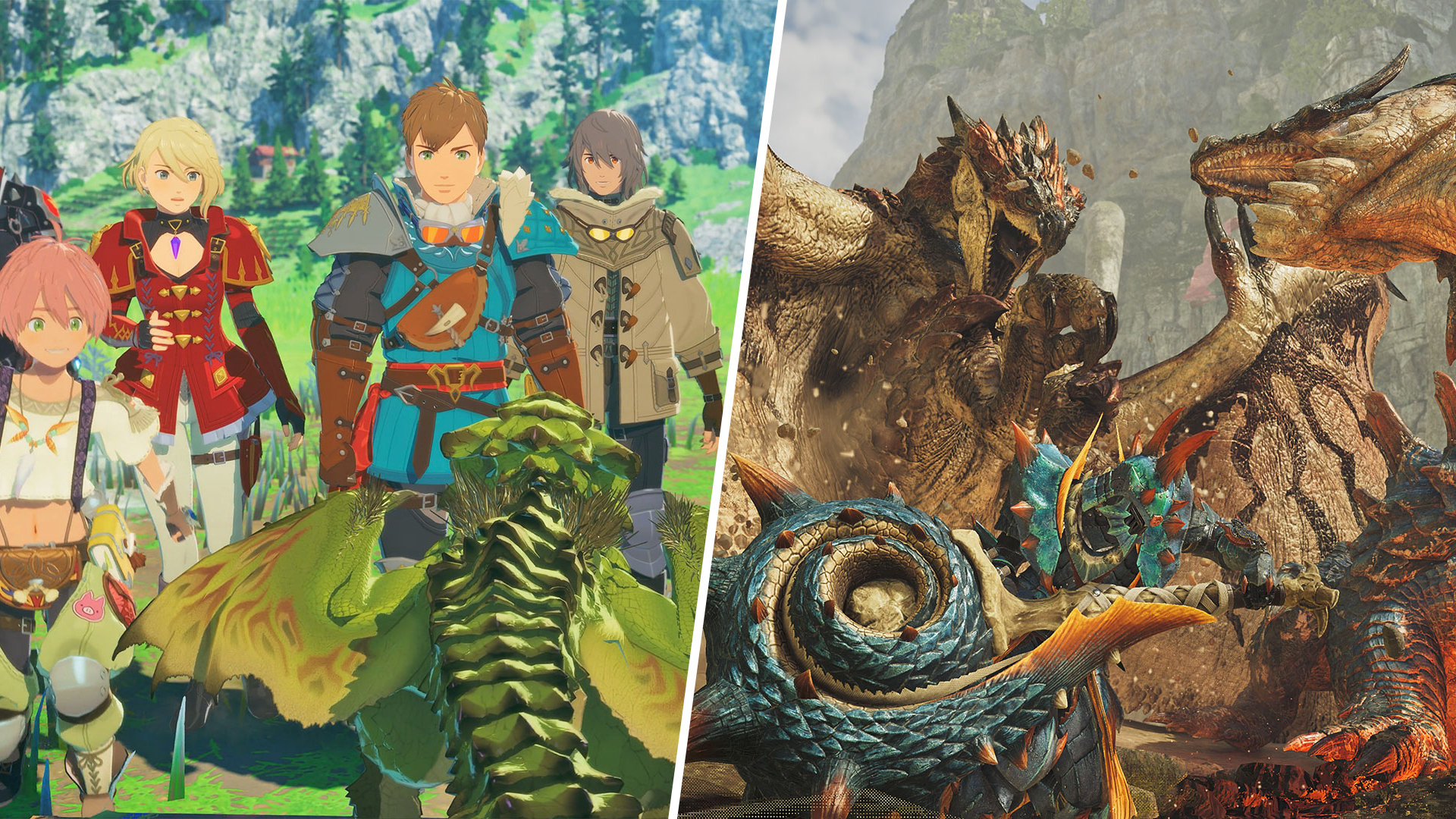
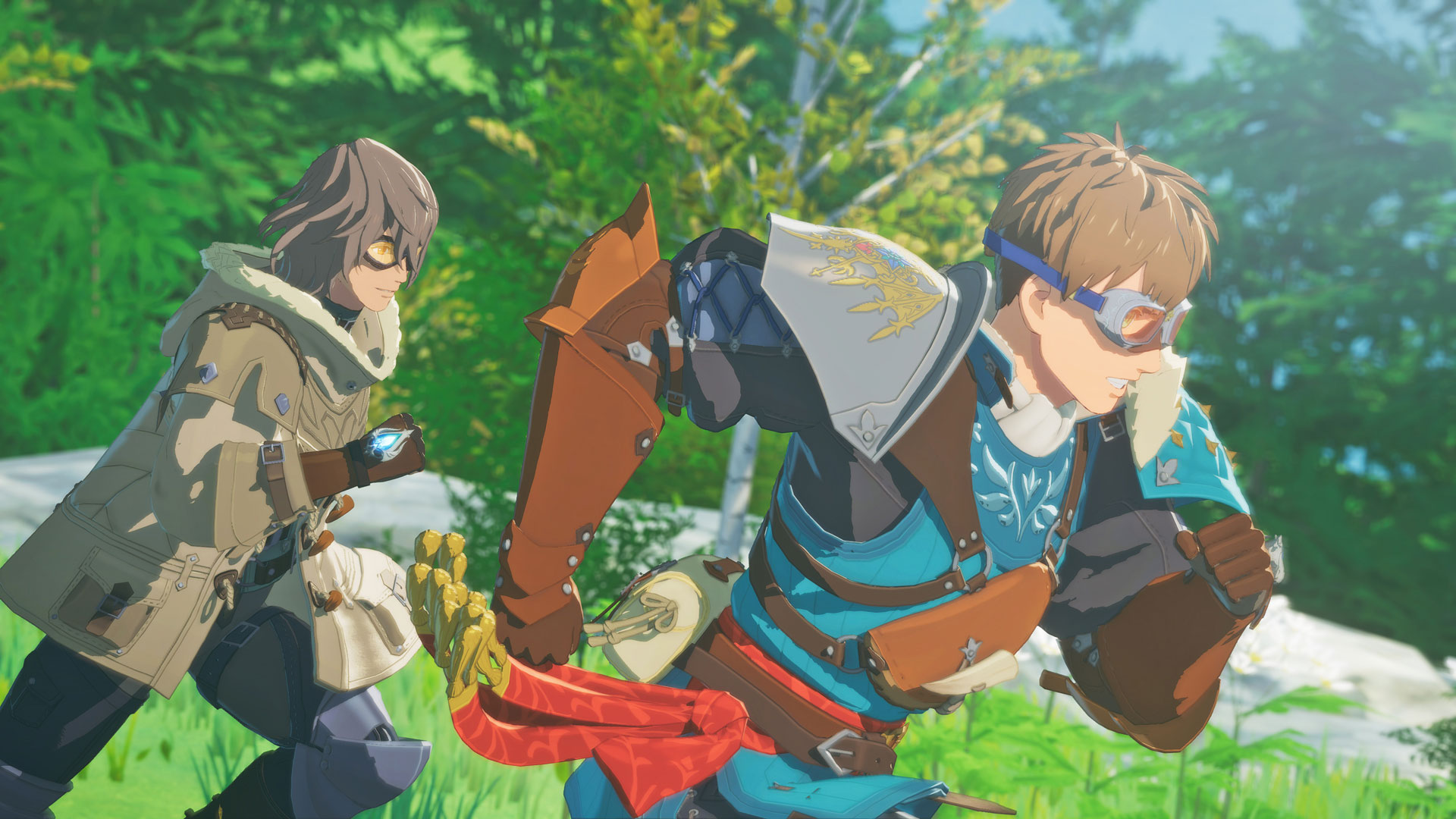
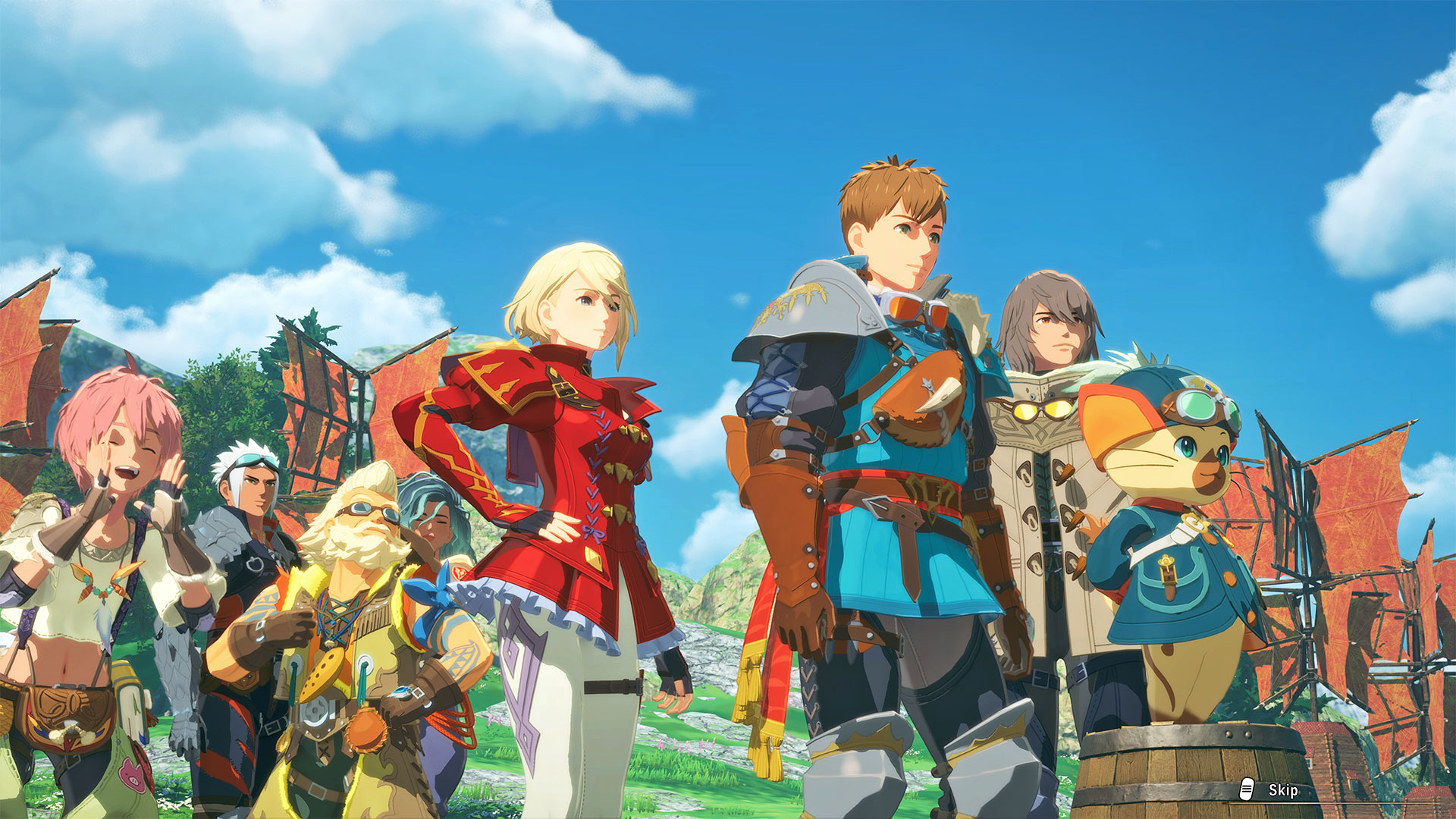
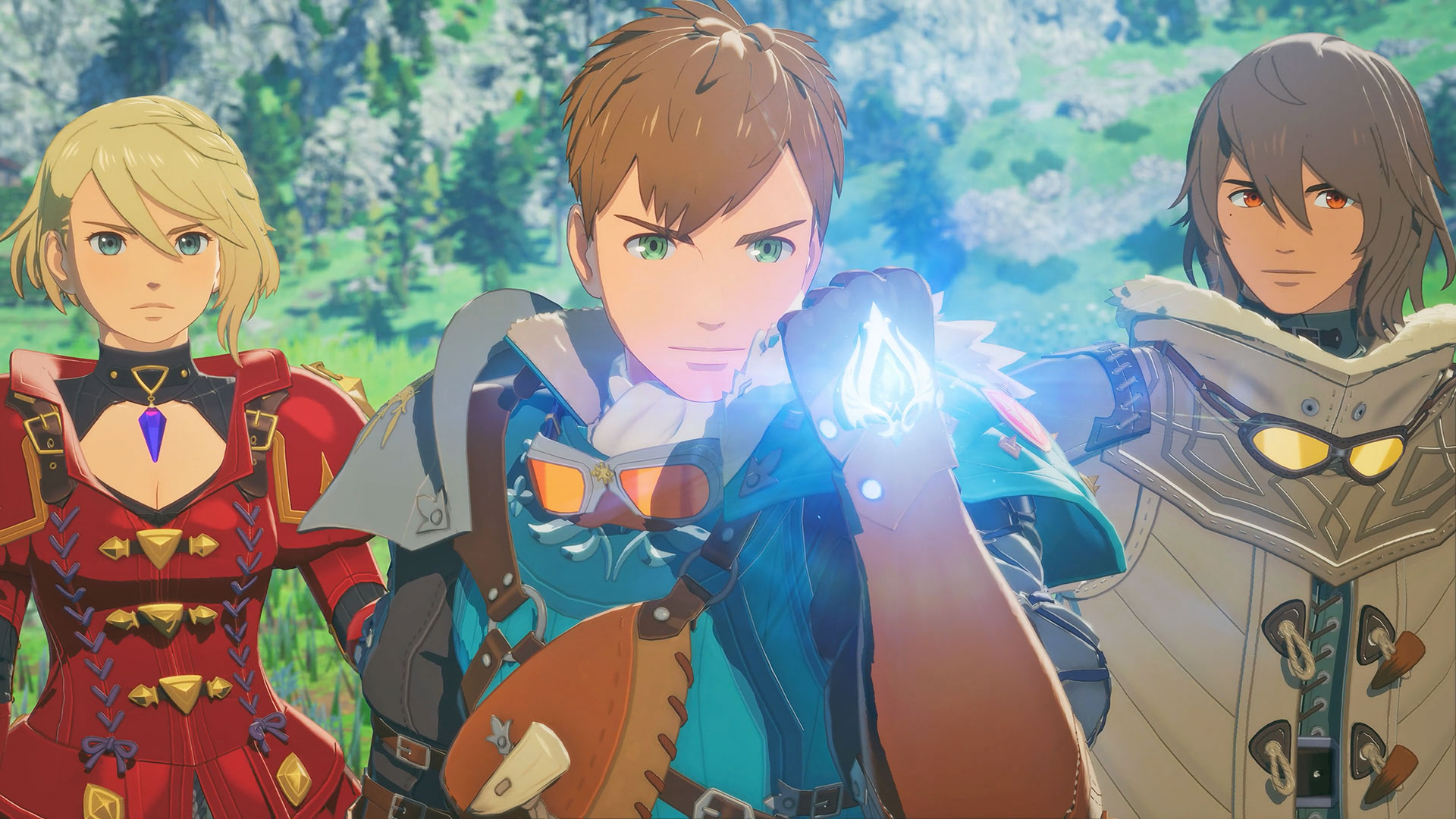
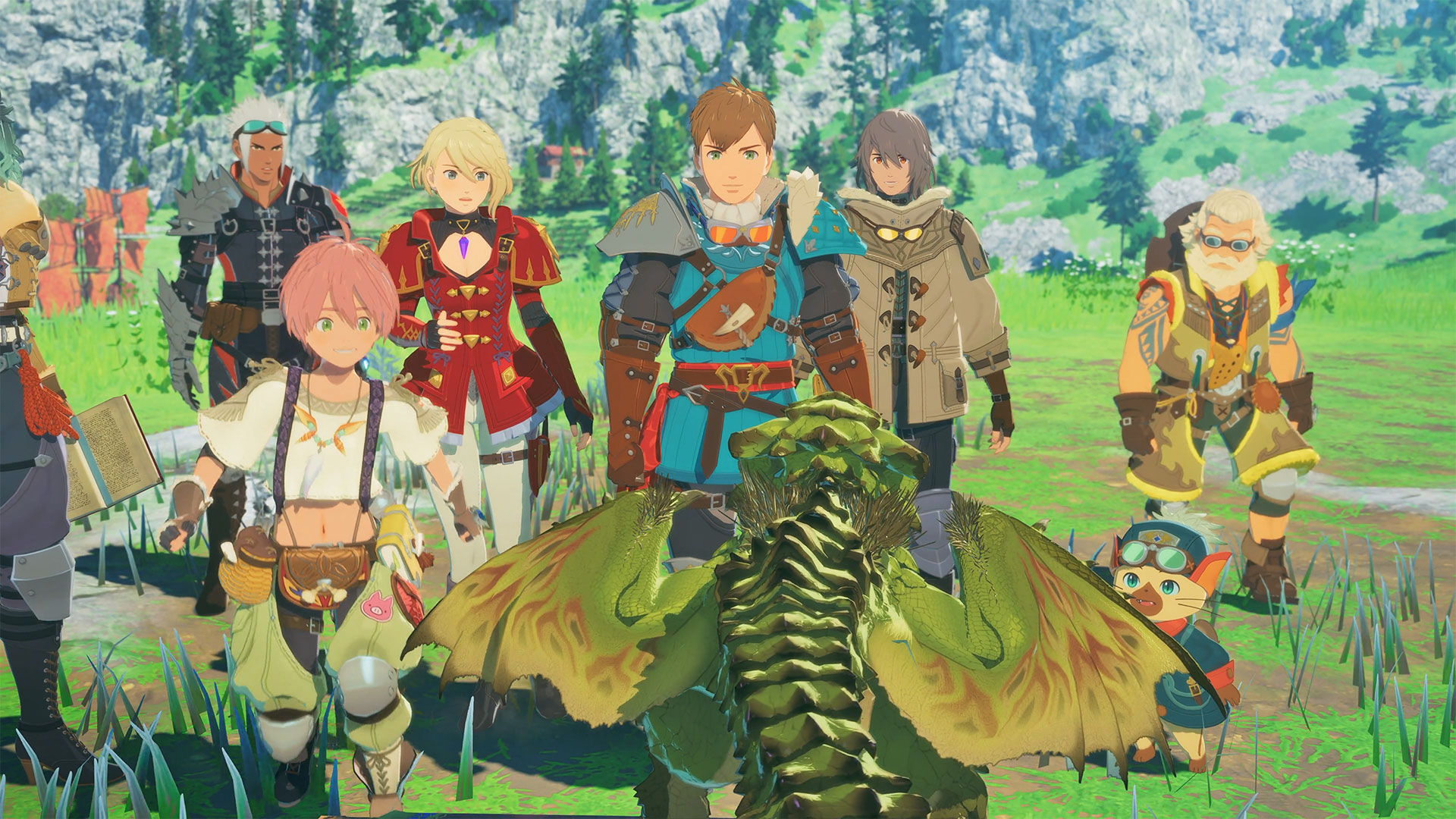
Twisted Reflection allows players to customize their character in great detail. From head to toe, players can adjust the front and back of their hair, eye colors, face shapes, and more. Age, height, and weight are not customizable options. Players can also recolor their armor or choose a different outfit at specific bases. You may find yourself spending a significant amount of time on this feature, so don’t be surprised if you end up investing an hour into it.
If you’re not happy with your initial setup, you have the option to change your customized character at any selected base. Your character’s voice will match the male or female body type chosen, and the modified character will be reflected in cutscenes. The ability to alter your character at any time is a great feature offered by Capcom.
For those worried about needing to play the previous Monster Hunter Stories titles, rest assured that you can jump into Twisted Reflection without any prior knowledge of the story or mechanics.
Team Monsties
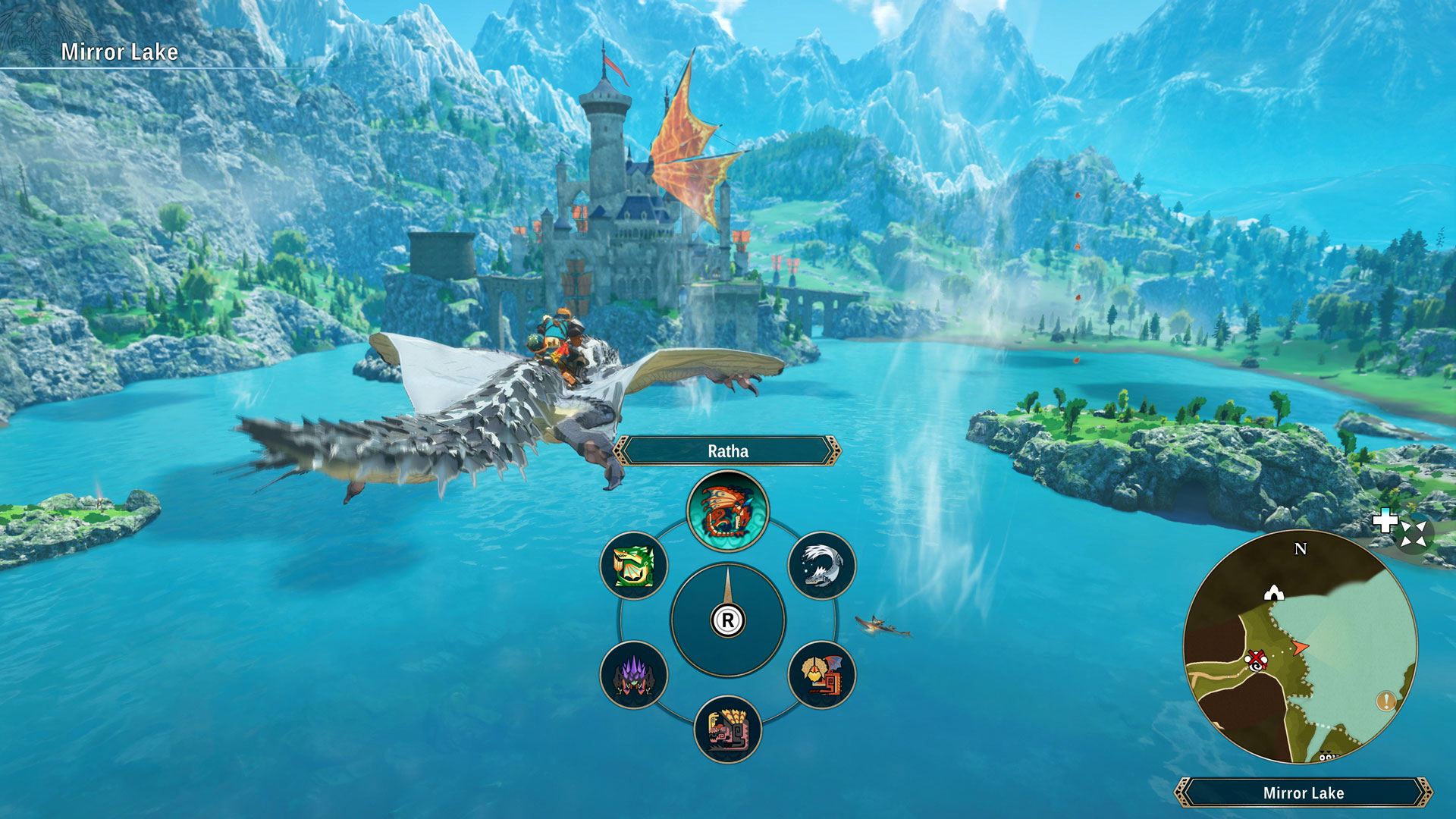
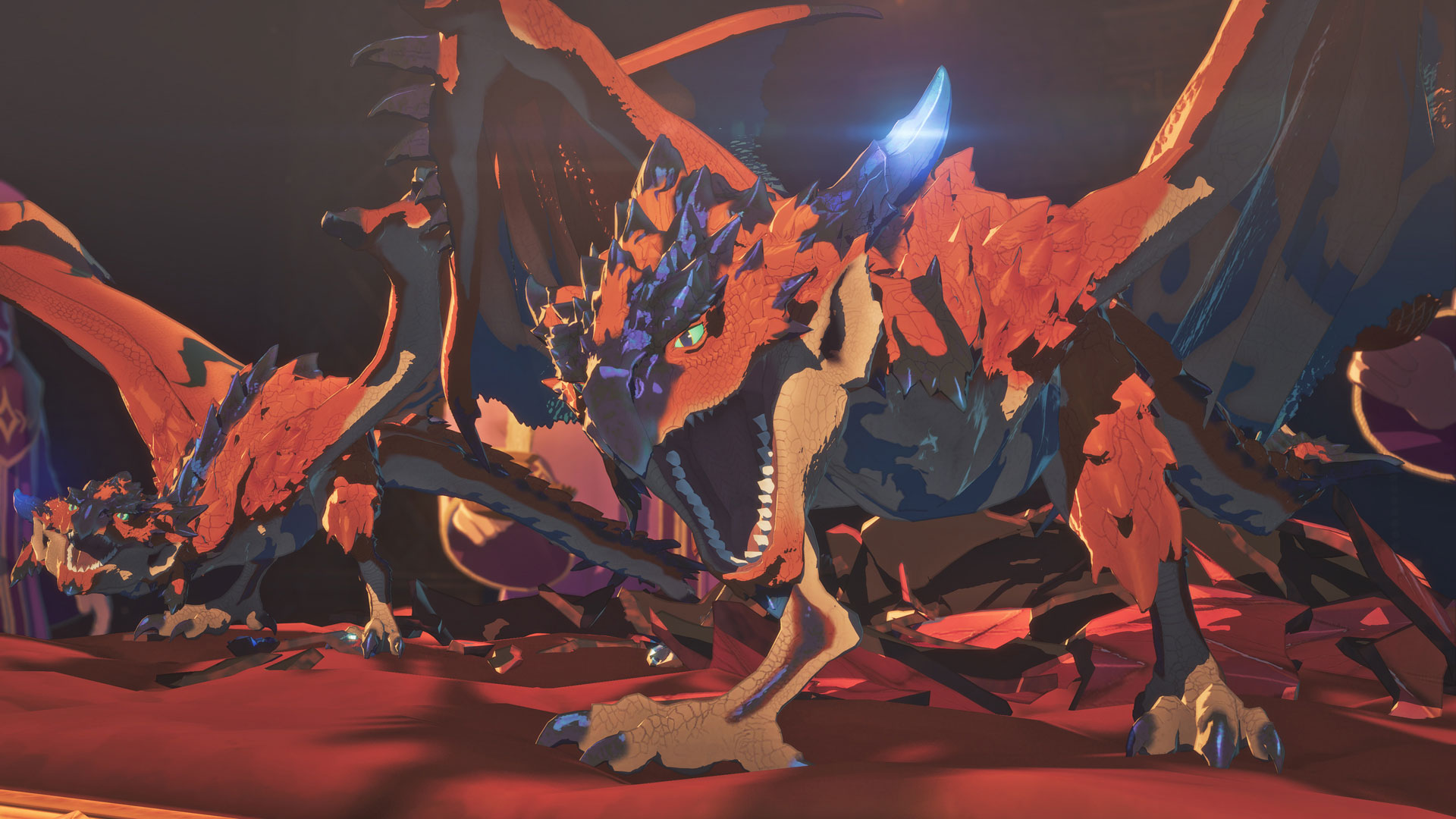
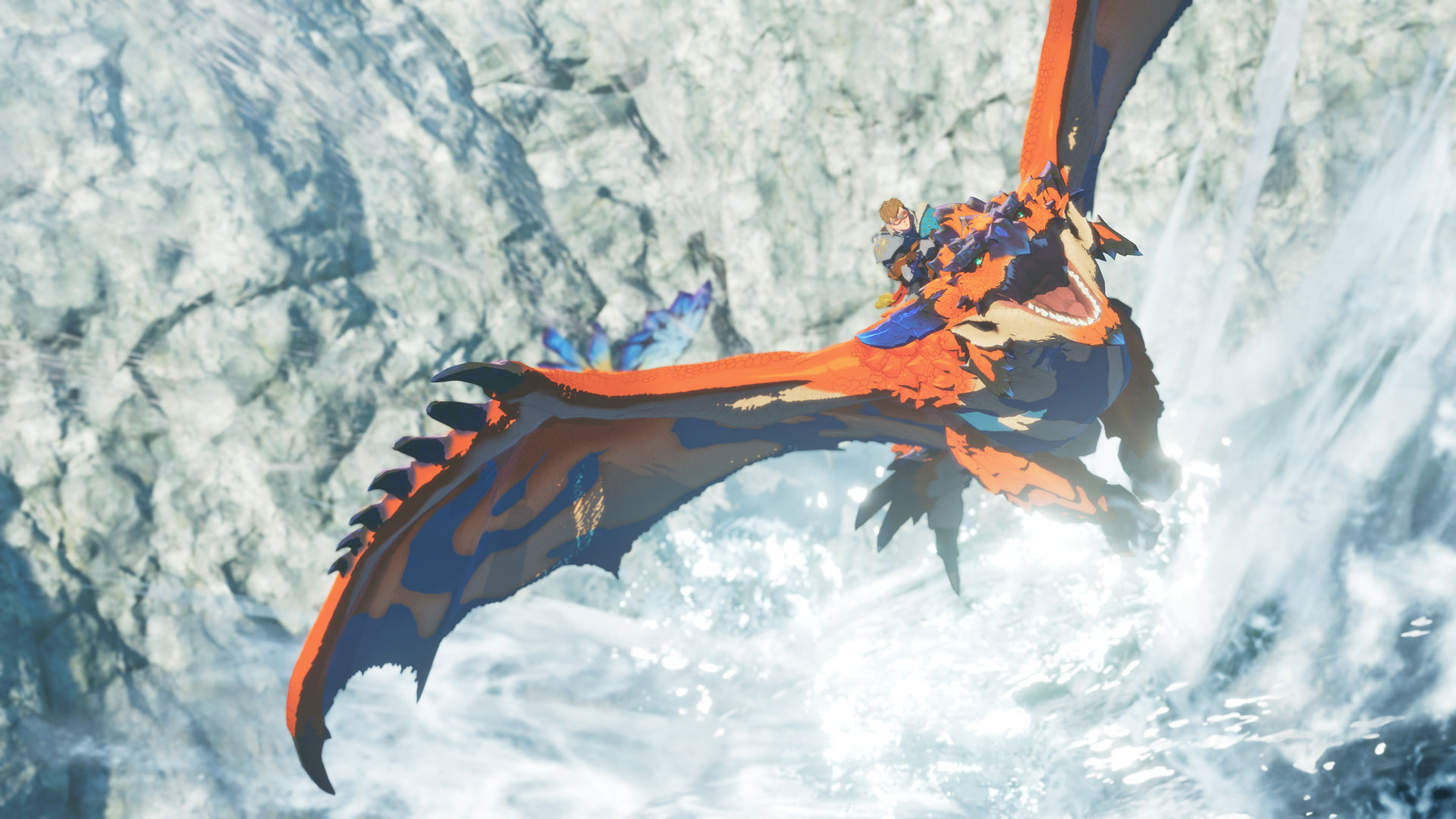
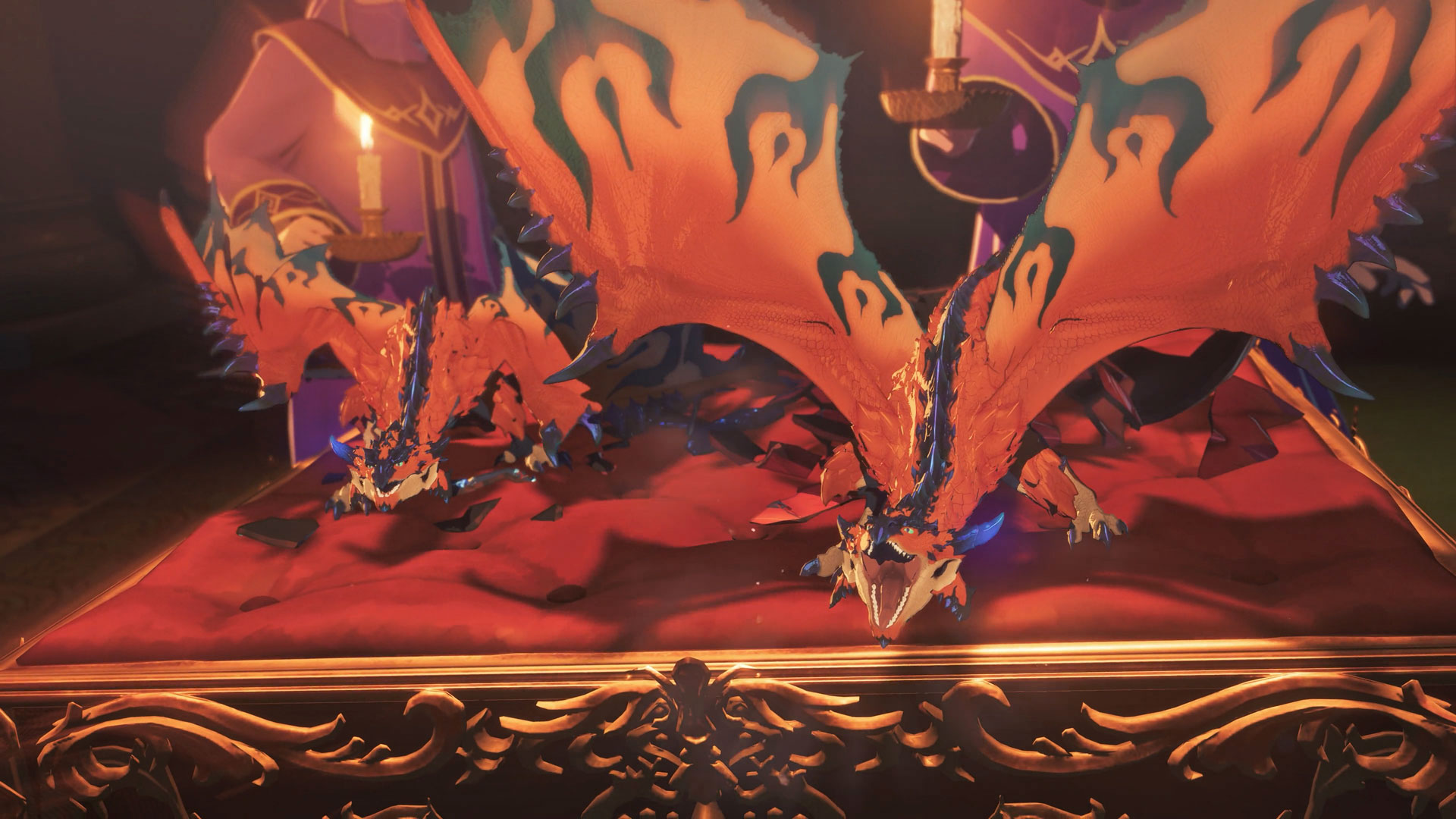
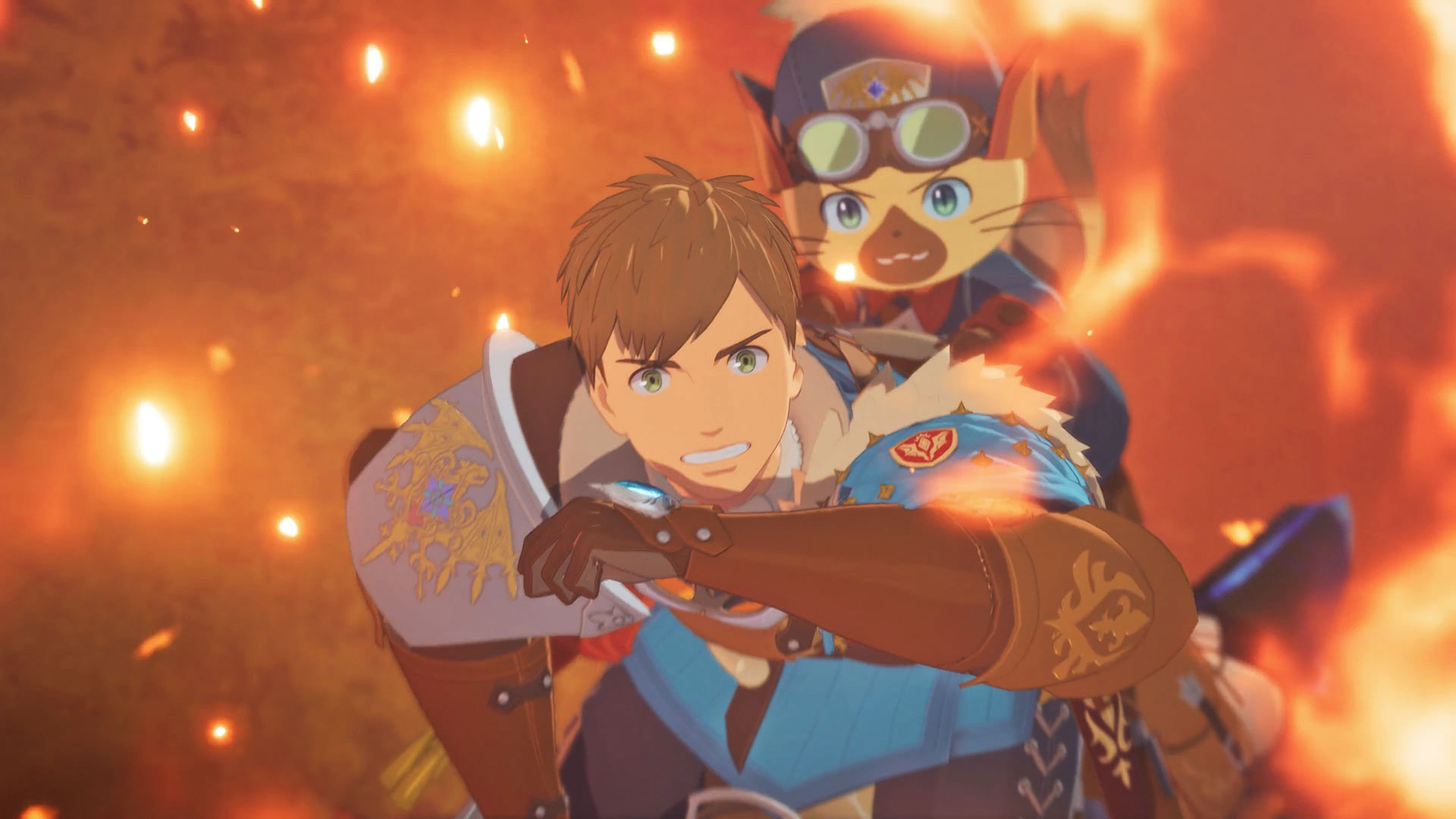
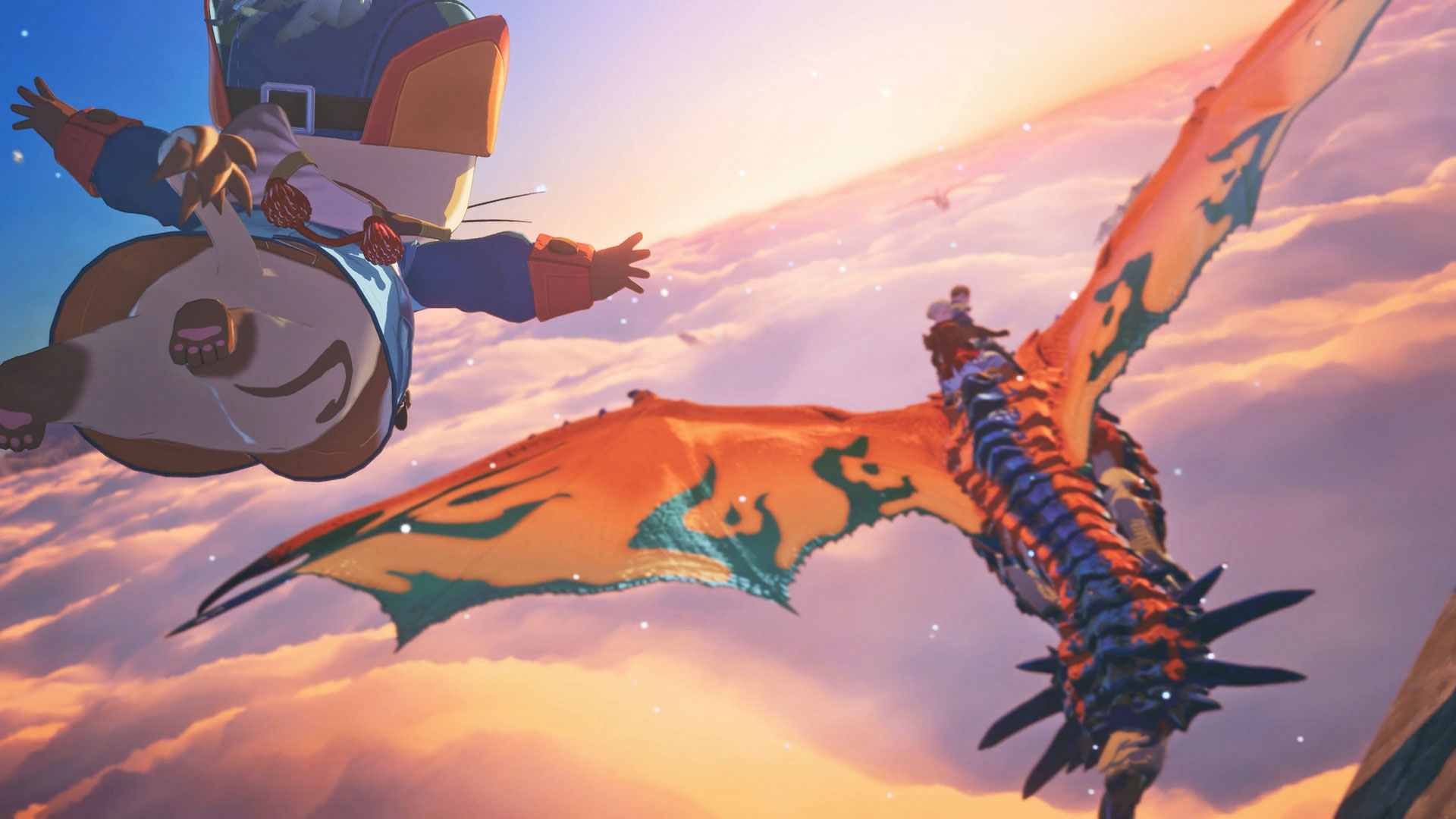
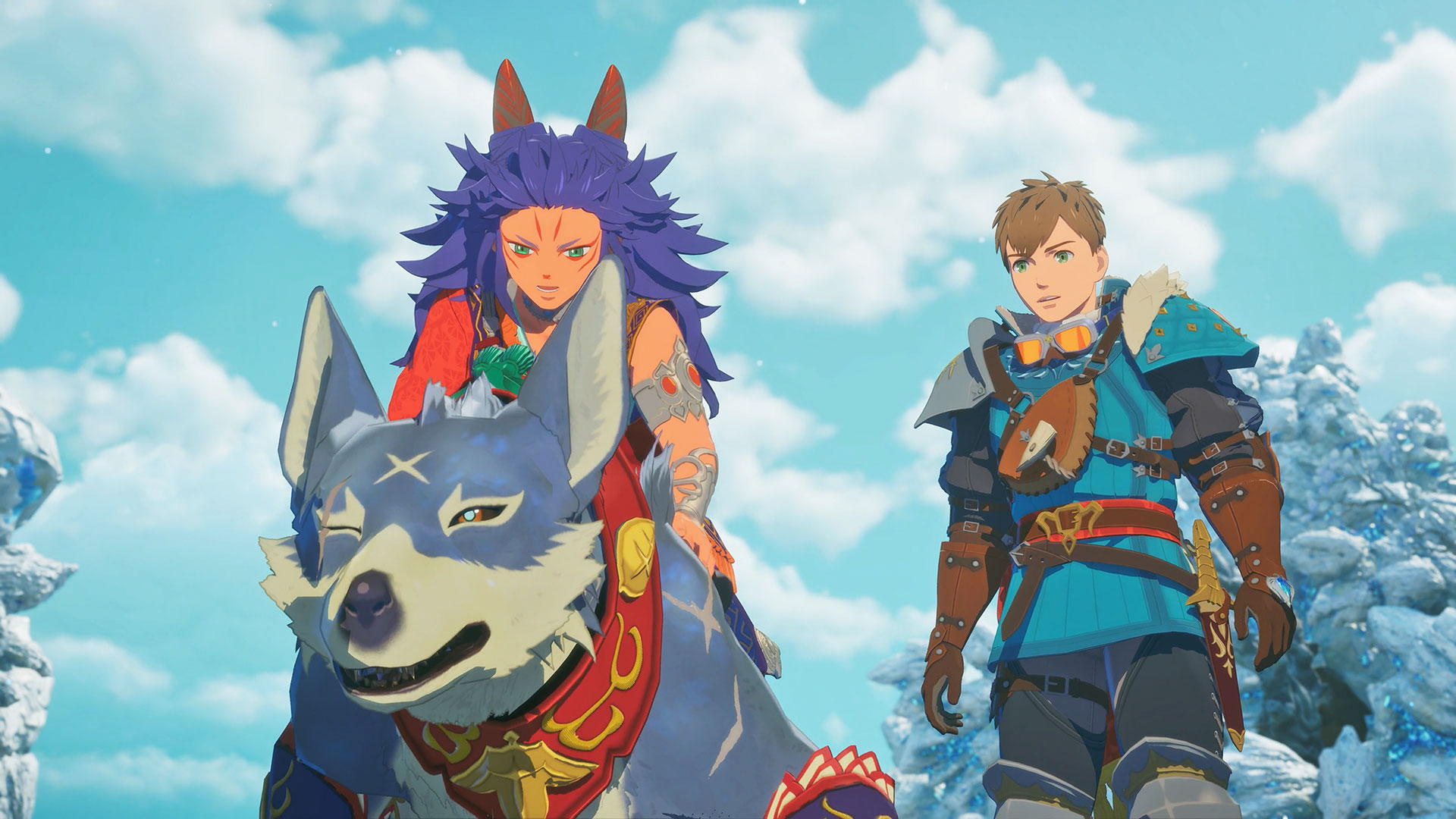
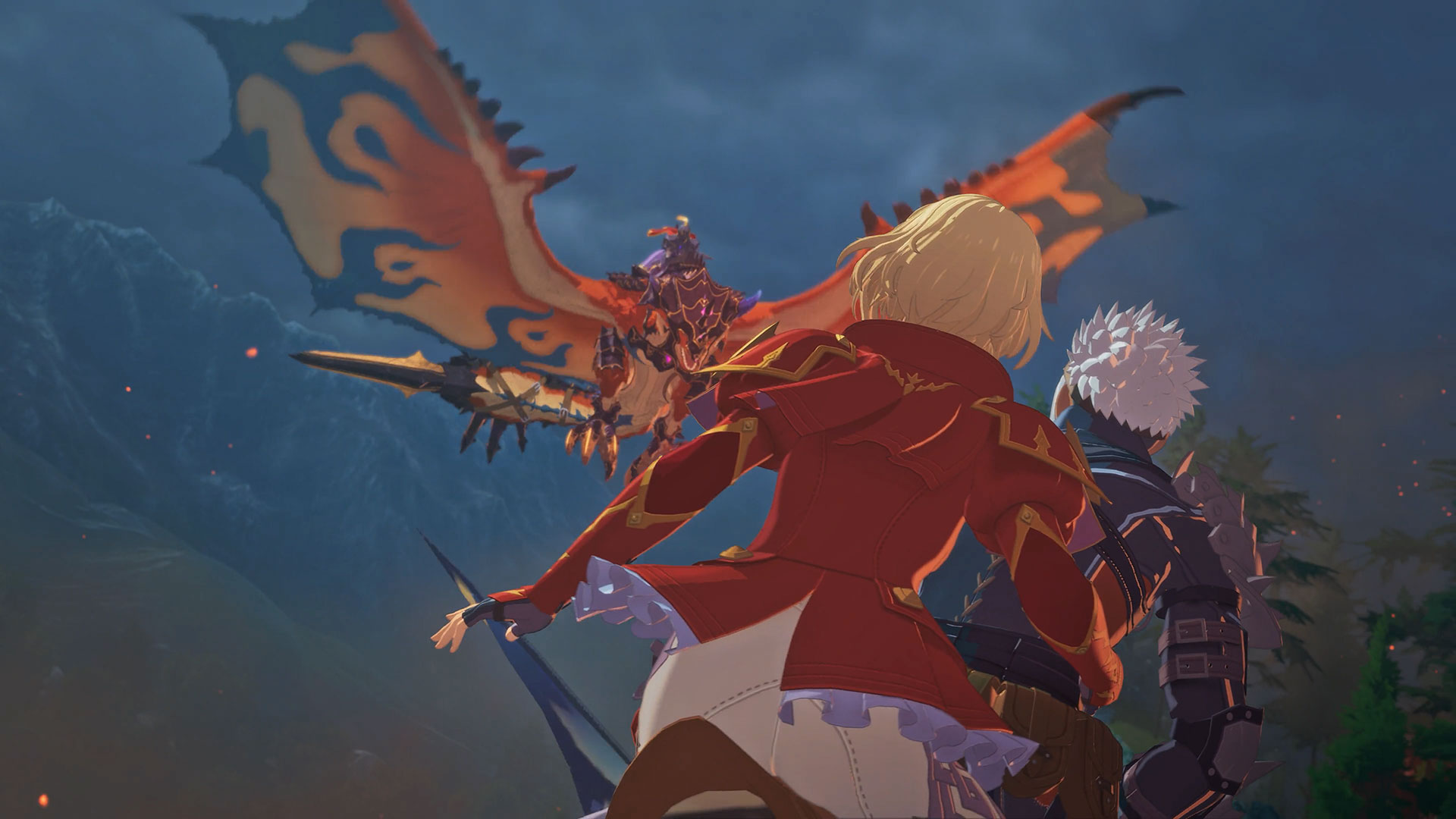
Players can have up to six Monsties (tamed monsters) in their party and can swap them instantly while exploring. The transitions are fun to see these Monsties swap so that players will enjoy this feature. Some Monsties have abilities that others do not, such as flying, climbing, or digging. However, there are limitations to each of these abilities. Flying allows for more of a glide, and altitude can be gained if a Monstie glides over a pillar of wind. Climbing is based on certain rocks that are colorized more vibrantly, but it can be difficult to identify them at first glance. Holes are already dug out for players to jump in and come out in another area. These scenarios will help players discover new grounds to uncover monsters, initiate battles, collect ingredients, or complete missions.
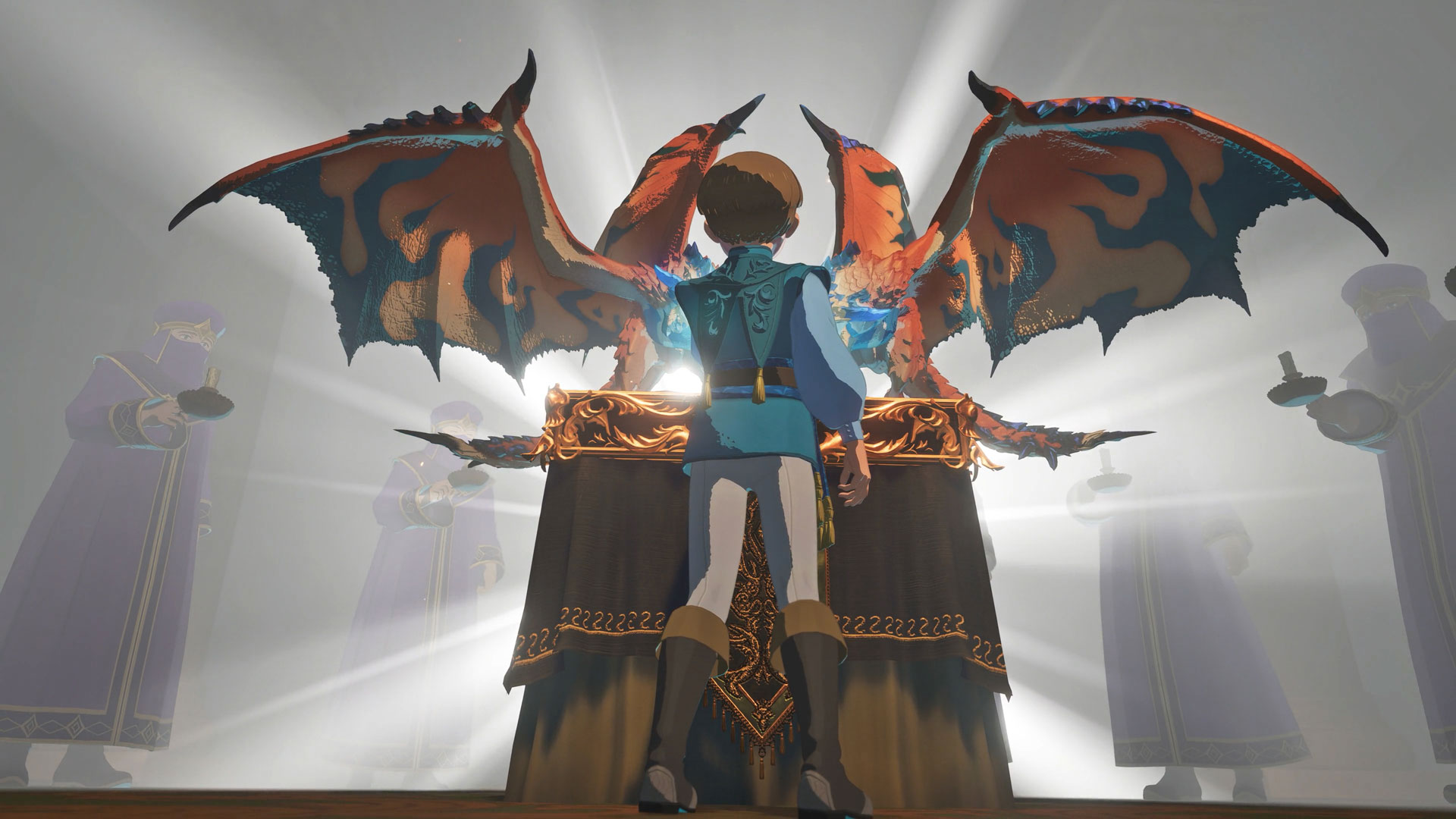
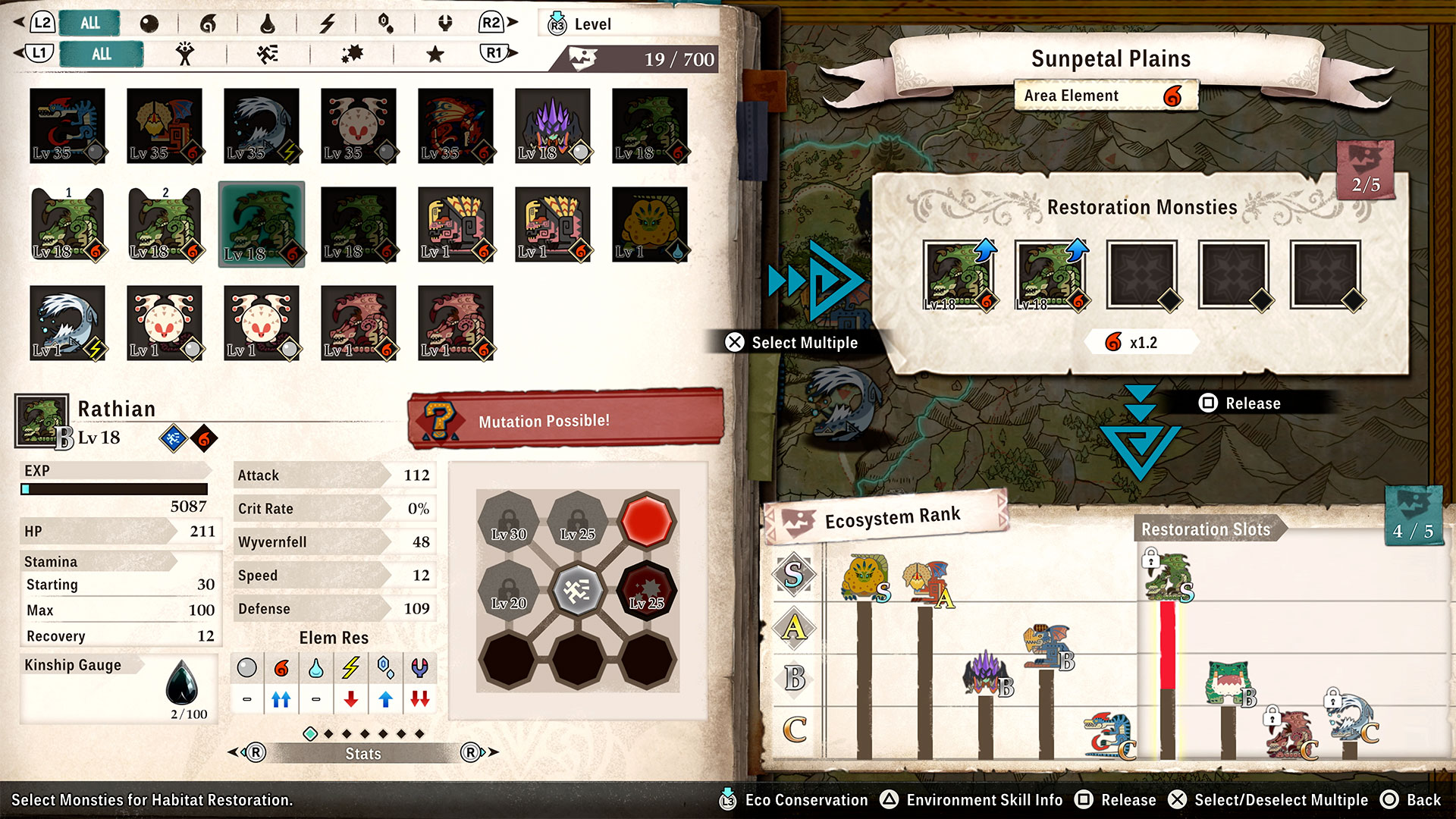
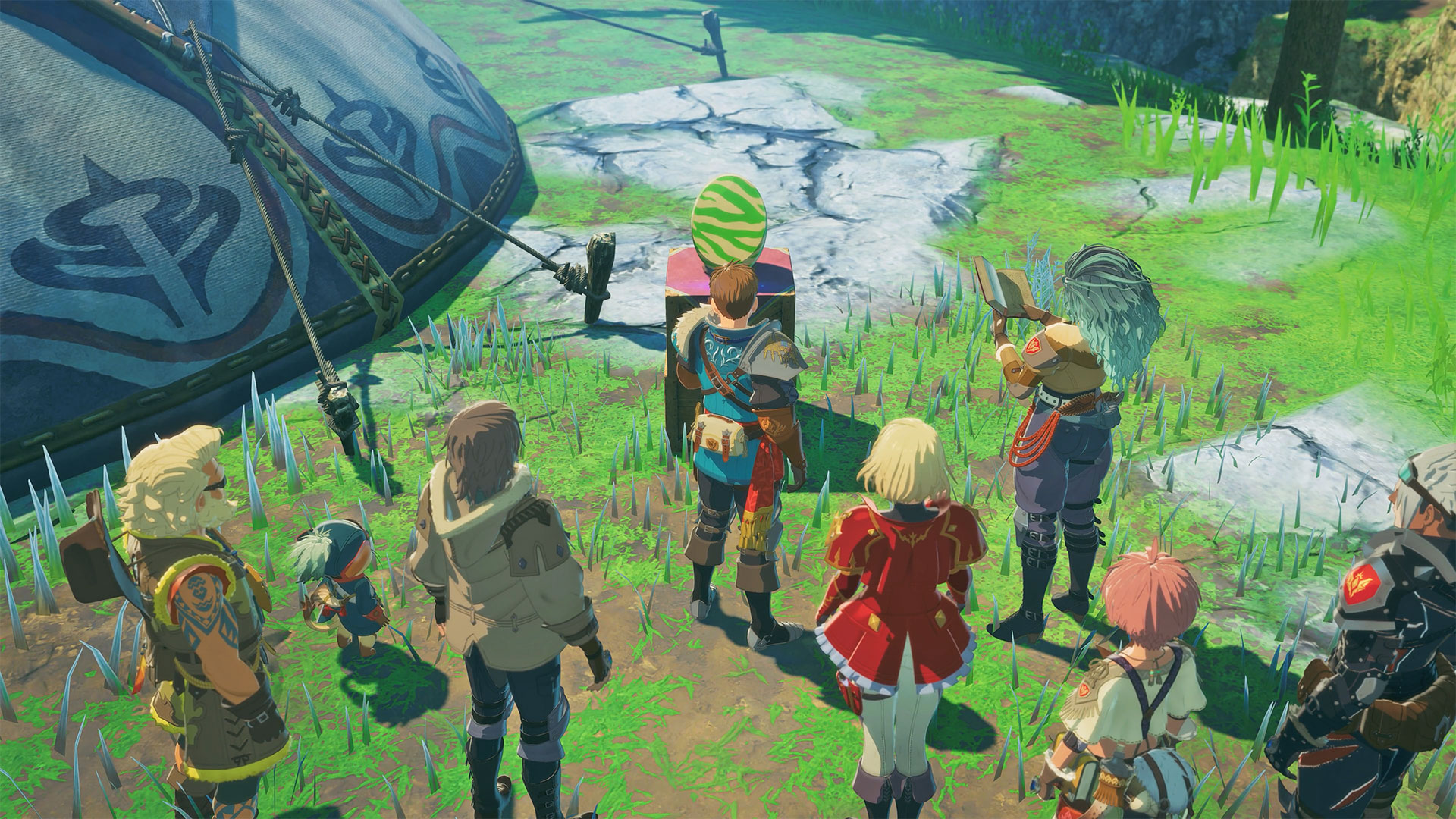
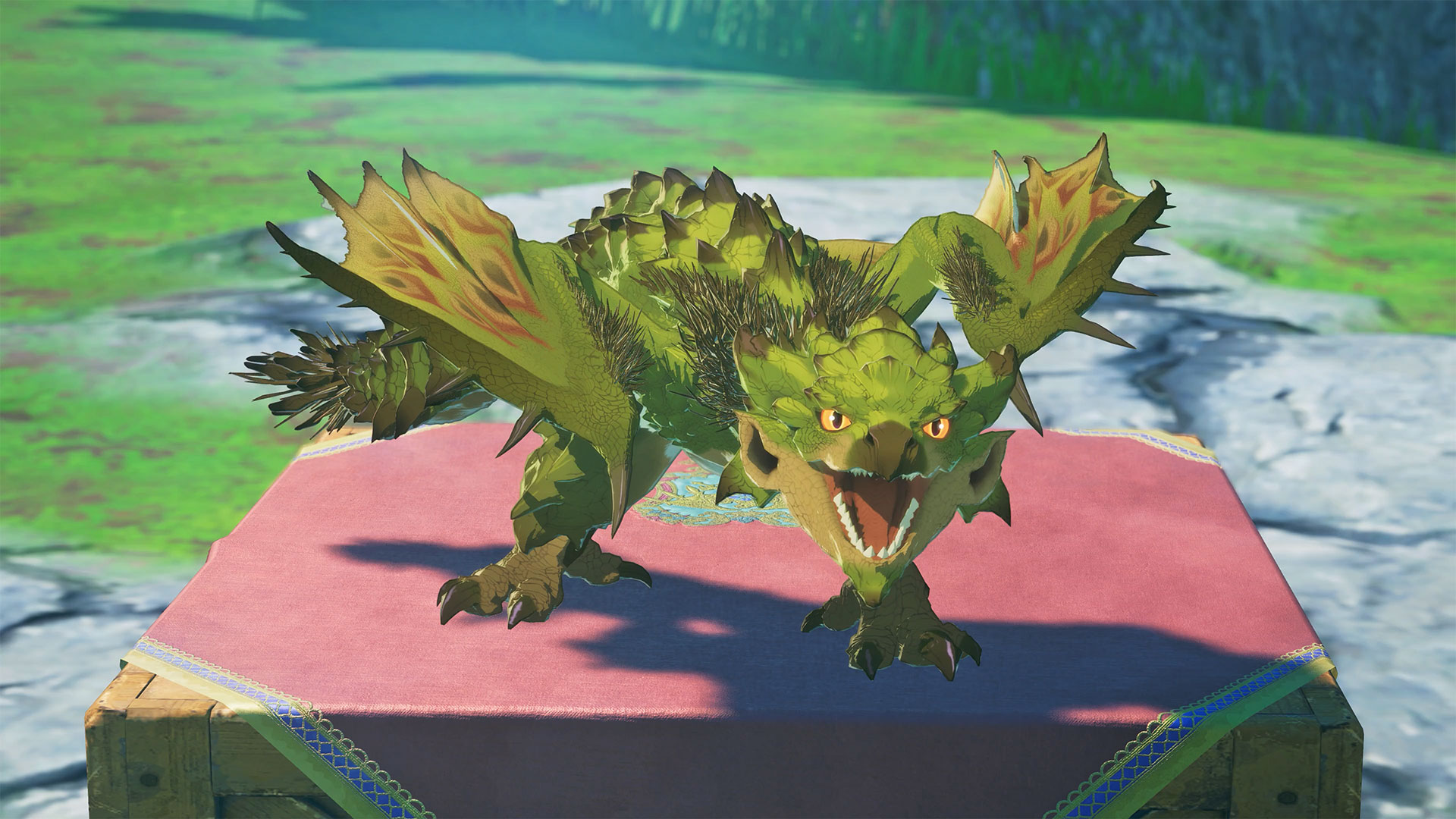
Players can hold up to seven hundred Monsties in their stable. Not sure where they are keeping all these beasts, but it gives a familiar vibe of other monster-collecting games. If players want to exchange Monsties from their lineup, they will need to be at a base or campsite to do so. Outside of the main story, players will also be tasked with helping to restore the monster habitat by releasing certain Monsties back into the wild. This will increase their ranks when players hatch them from eggs found in local monster dens. The higher the rank, the greater the chance of finding Monsties with higher stats and unique skills when hatched. In Twisted Reflection, players can swap skills between Monsties and their elements to create their perfect Monstie.
While monsters may not be as uniquely designed as Digimon and Pokémon, the game does give off a monster-collecting vibe. Collecting each monster and finding high-ranking ones can be a fun experience.
The World is Your Oyster

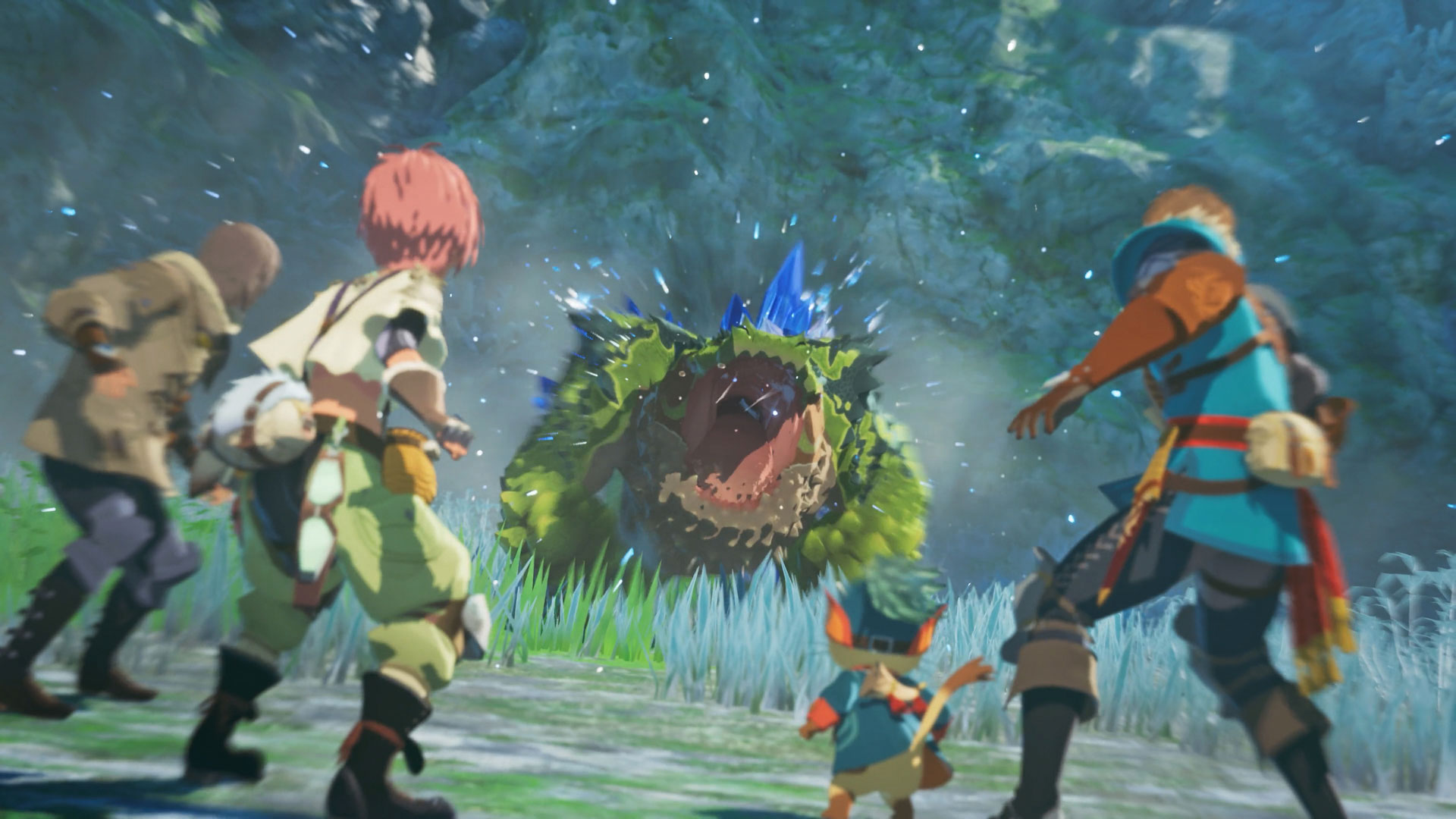
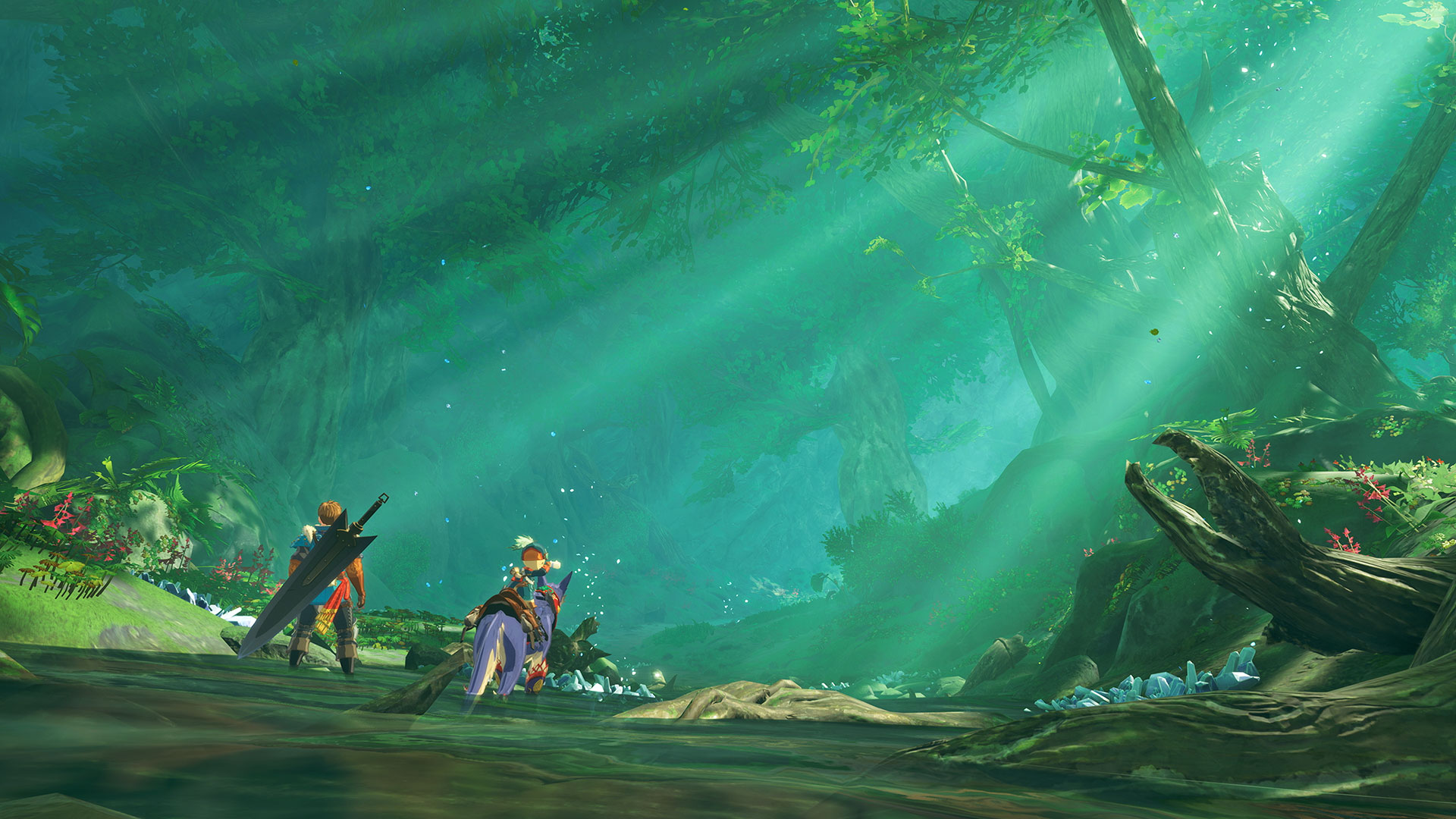
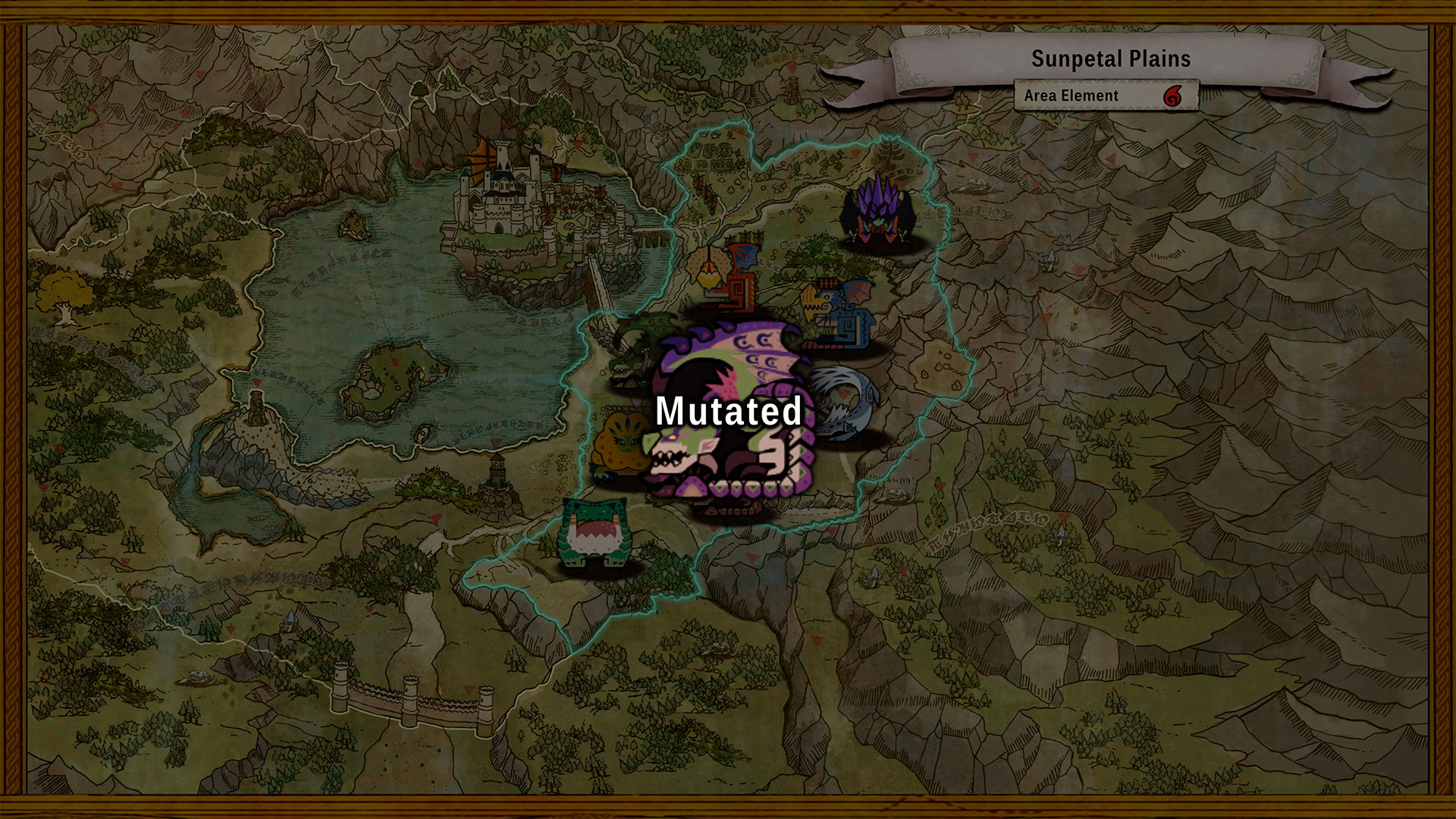
The world itself is vast and wide, giving off vibes reminiscent of The Legend of Zelda: Breath of the Wild. However, there are borders that block you from exploring certain areas. As you progress further into the game’s story, new areas open up for exploration, along with new monsters to interact with. Fast travel becomes a valuable tool, the Catavan, allowing you to revisit areas you have already explored and saving time by avoiding unwanted monster battles.
When you venture into a new area, you can still return to previous ones, although some may be off-limits due to the game’s storyline. Your Monsties can help you access areas that are crucial for completing a variety of missions or finding treasures. Be cautious, as stronger monsters await that are not just feral creatures. A yellow mark above a monster indicates it is above your level, while a red mark signifies a monster that is drastically stronger. If you’re up for a challenge, you can engage them, but it’s wise to level up and upgrade your weapons and Monsties’ skills first.
Exploring these lands is entertaining, although enemies in the distance may move at a slower frame rate, especially when viewed through a telescope. The colorful and vibrant environment, along with unique enemy designs, adds to the fun.
Some side missions involving finding specific items can be challenging, especially if you’re not familiar with the game’s terms and definitions. The marker system helps guide you to your next goal, providing clarity on where to go and what to do next.
Let’s Battle!
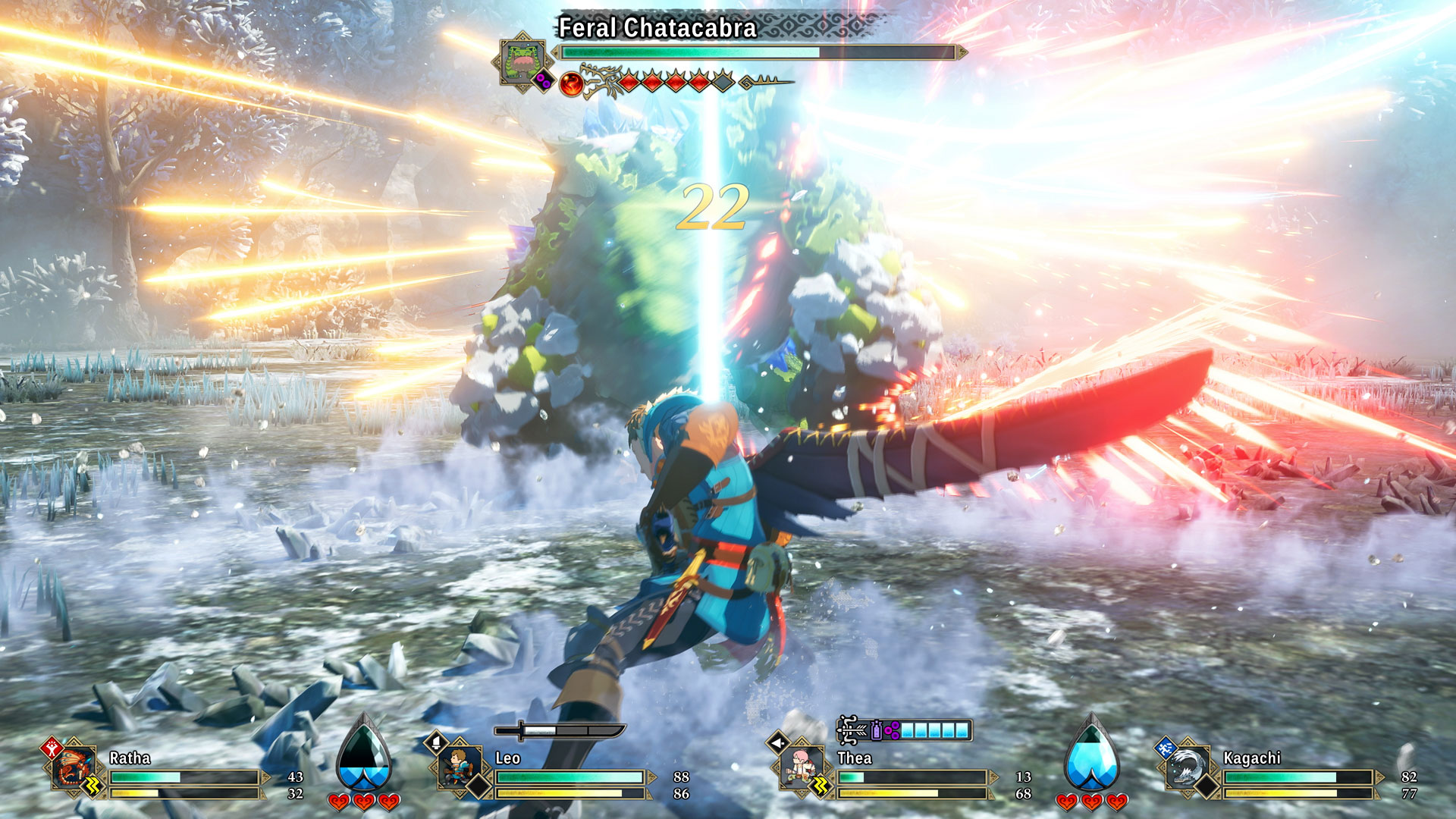
Players can equip three different weapons from a variety, as each one carries a unique skill set. You won’t travel alone for the most part, as an additional member from the Rangers along with their Monstie will tag along with you. Each character carries their own set of skills and weapons. Their actions and their Monstie’s actions are controlled by the CPU. You just need to focus on yourself and your Monstie. Players can swap their weapons and Monstie anytime during battle without taking a turn. However, once you swap, you cannot swap again until you return.
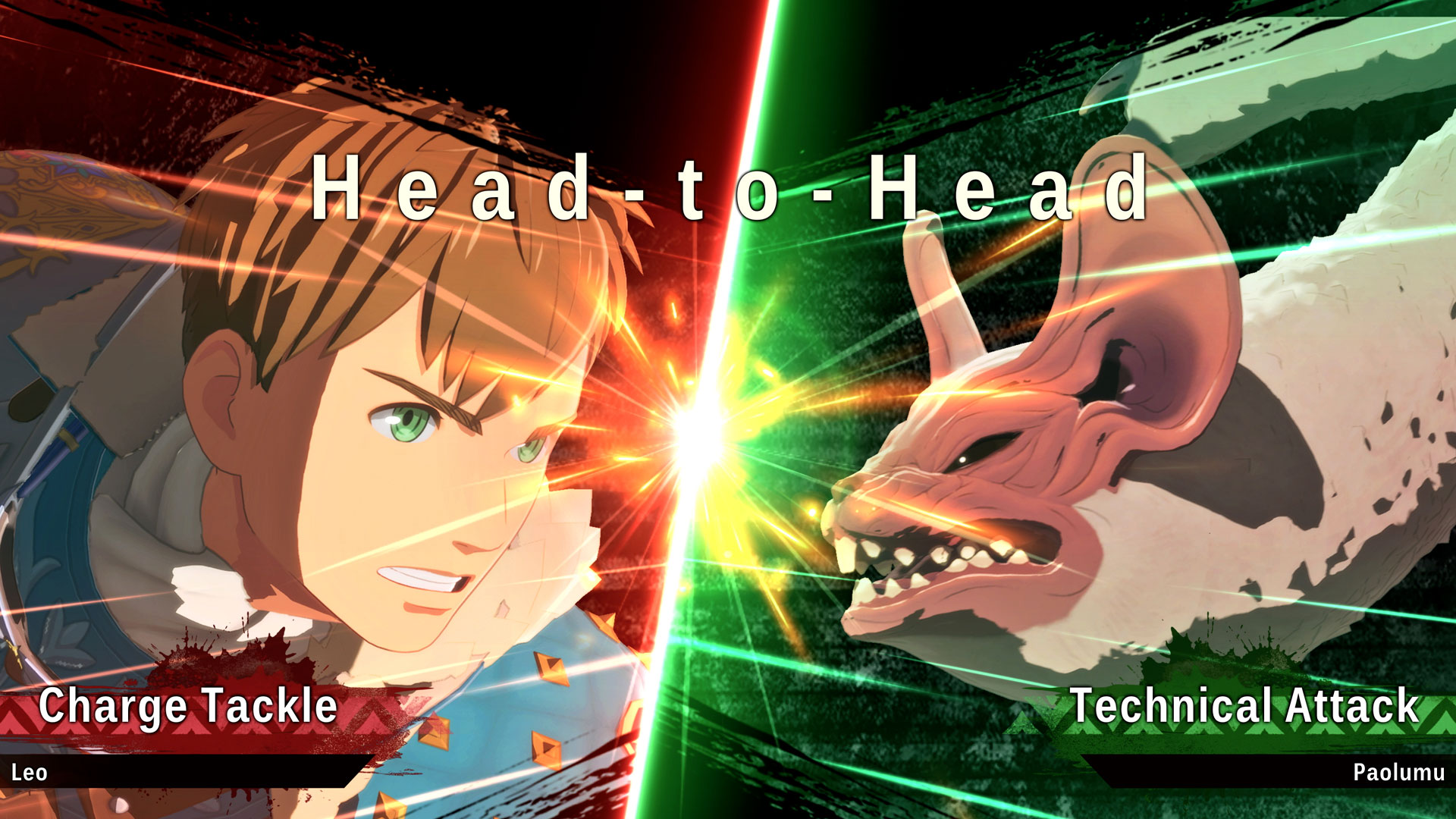
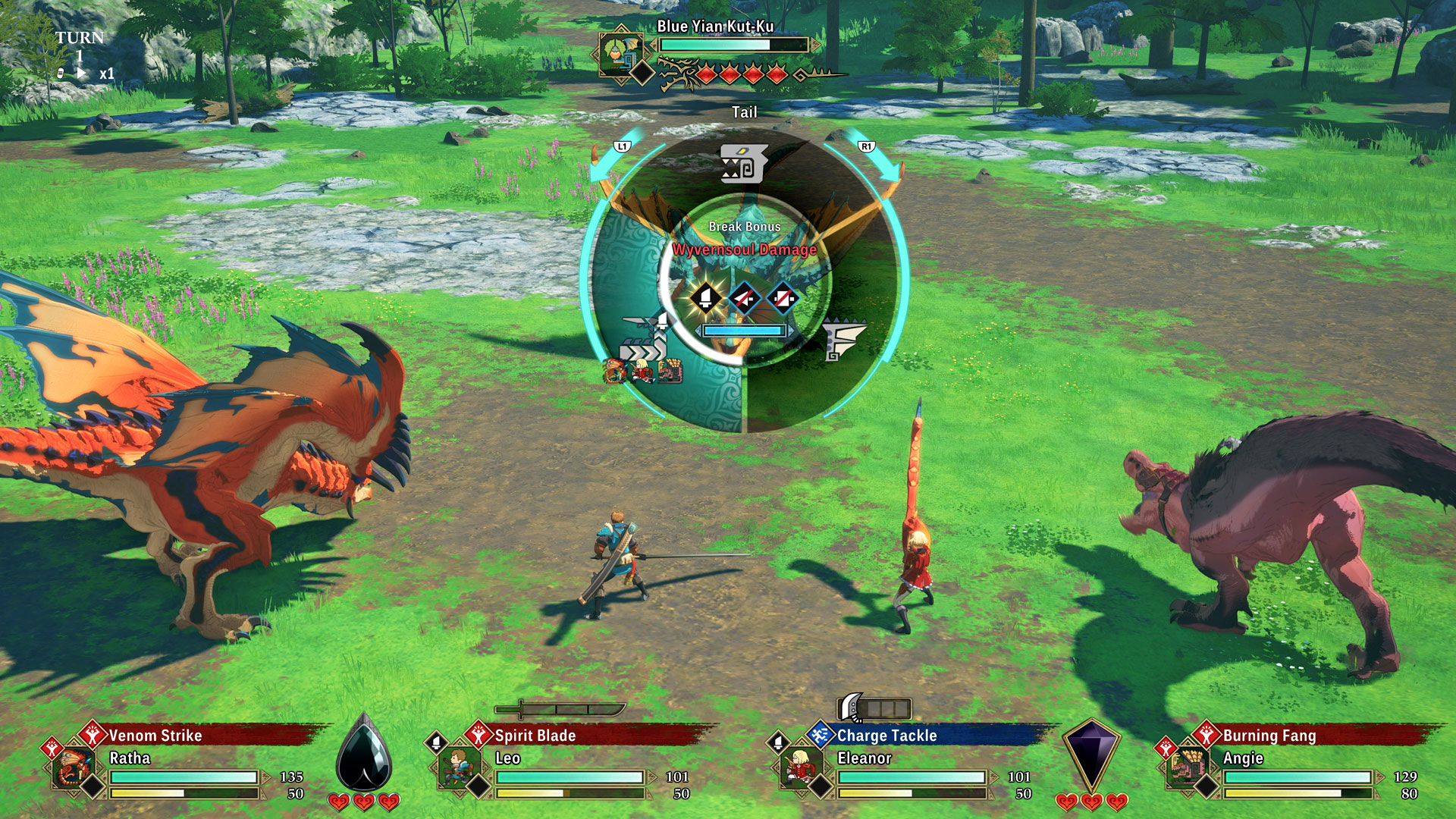
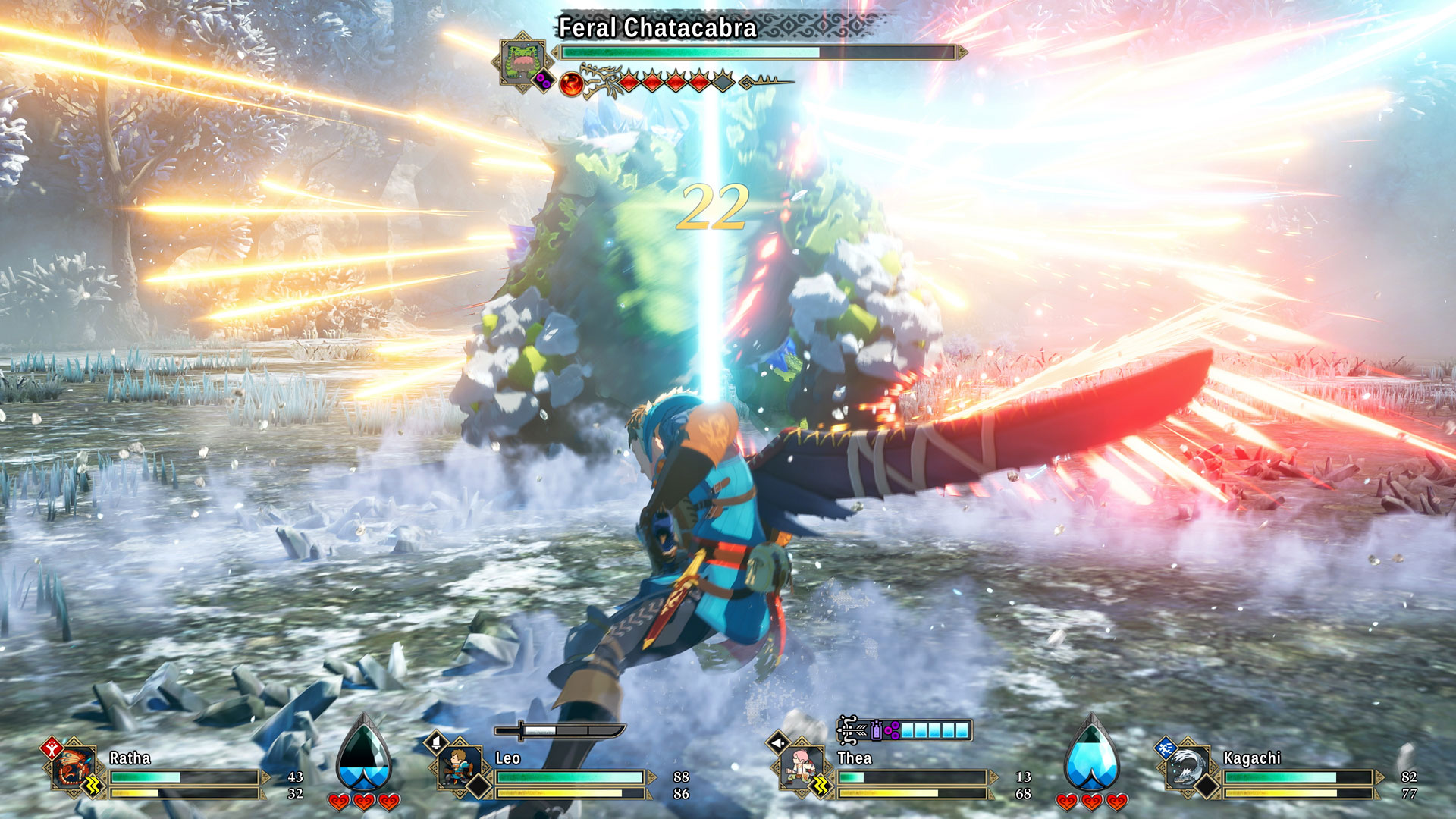
Battles are pretty straightforward. When a foe goes head-to-head with anyone on your team, a rock-paper-scissors battle scene occurs. Instead of calling the childhood game, it’s power, technical, and speed. Power beats technical, technical beats speed, and speed beats power. If you win the head-on match, your attack does the damage and the foe’s does not. This happens vice versa too. If someone in the head-to-head situation chooses an attack that’s not any of those three styles, the rock-paper-scissors scenario does not occur, but the attack and damage occurs. If you and your Monstie win a head-to-head against the same opponent, it’ll result in a double attack that’ll create extra damage, a must in some of these challenging battles. If someone is using a skill, the double attack will not occur.
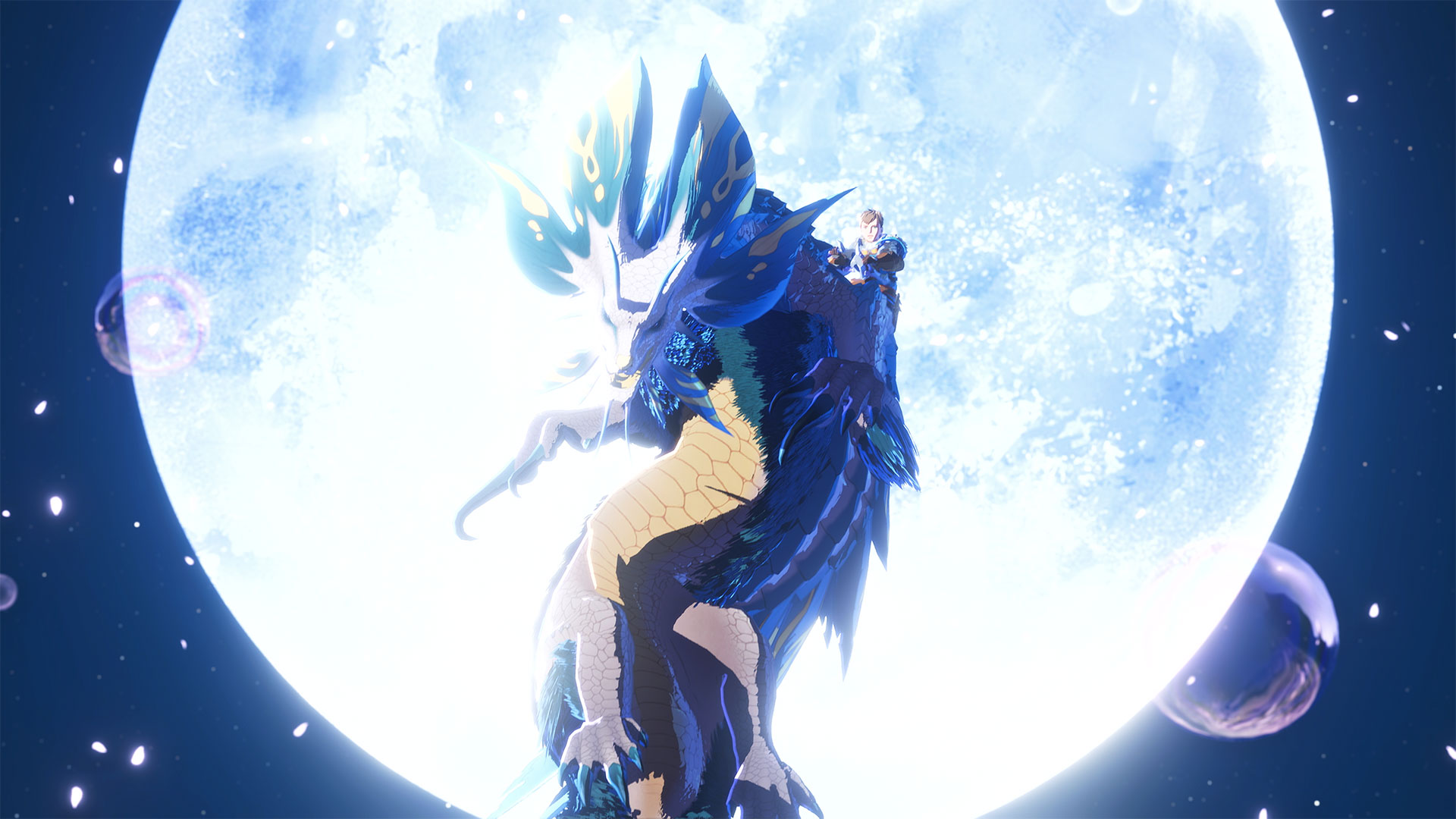
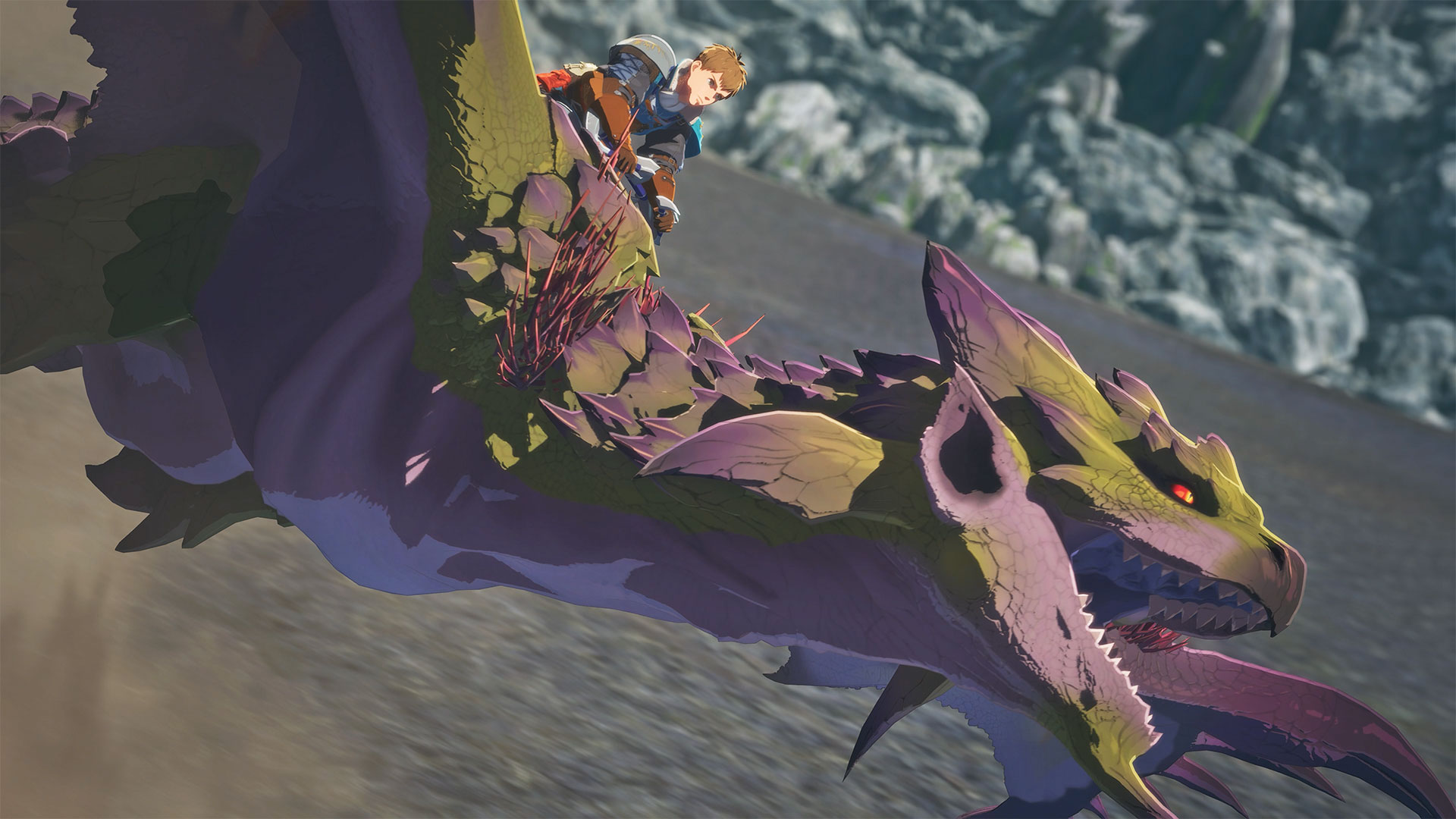
If you and your human comrade can fill up the Kinship, a transparent shape object that sits above the hearts on the bottom of the screen, you can ride your Monstie and create some heavy damage to your opponent. If you and your comrade are both on your Monsties, you can perform a tag team attack that’ll create much more heavy damage.
The battle ends for you if all three hearts are gone. This occurs if your or your Monstie’s health points (HP) reach zero. Depending on the type of battle, you may be given a prompt to try the battle again, or you will be brought back to the last save point. However, the eggs or ingredients you found between the save and the lost battle are still kept. Phew!
Monsters that are weaker than your team can be slain on attack while exploring, similar to Dragon Quest VII Reimagined. This makes it less of a headache and less time-consuming to play, keeping the player motivated. However, when facing a new monster for the first time, you are still required to enter battle, regardless of whether they are weaker than your team.
There’s more to dive into when selecting and using weapons during battle. Players can also create and upgrade their armor and weapons. When upgrading, you’ll have the opportunity to add “decorations” to these equipped items. Basically, they are slots for extra skills such as negating poison or increasing attack power. Monsties are not the only ones that can adjust their skillset.
The details explained cover the basics, and there’s more to uncover. It may be overwhelming at first, but players will soon understand the functionality and tools to do more as the game continues.
Battles of the Night

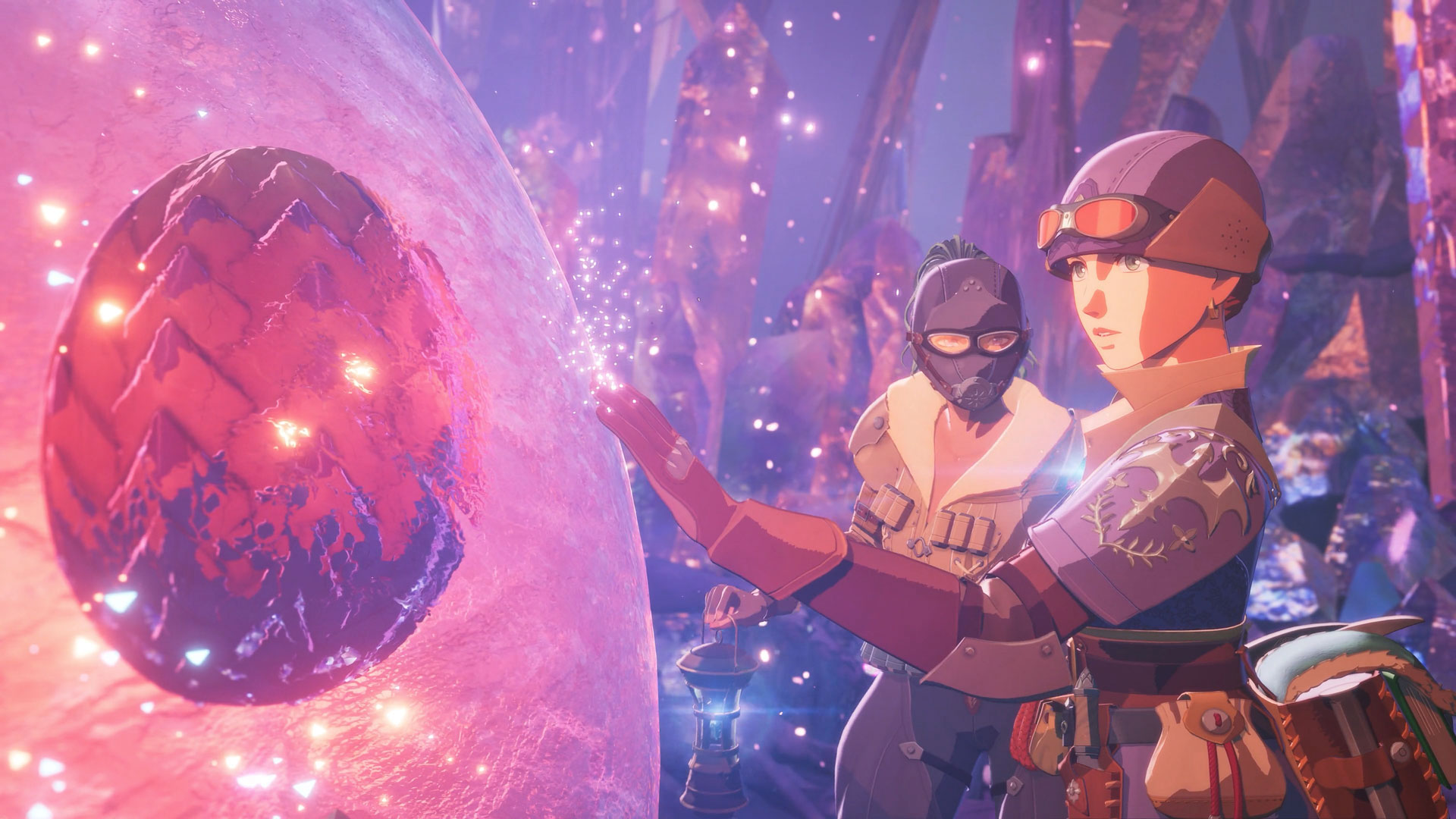
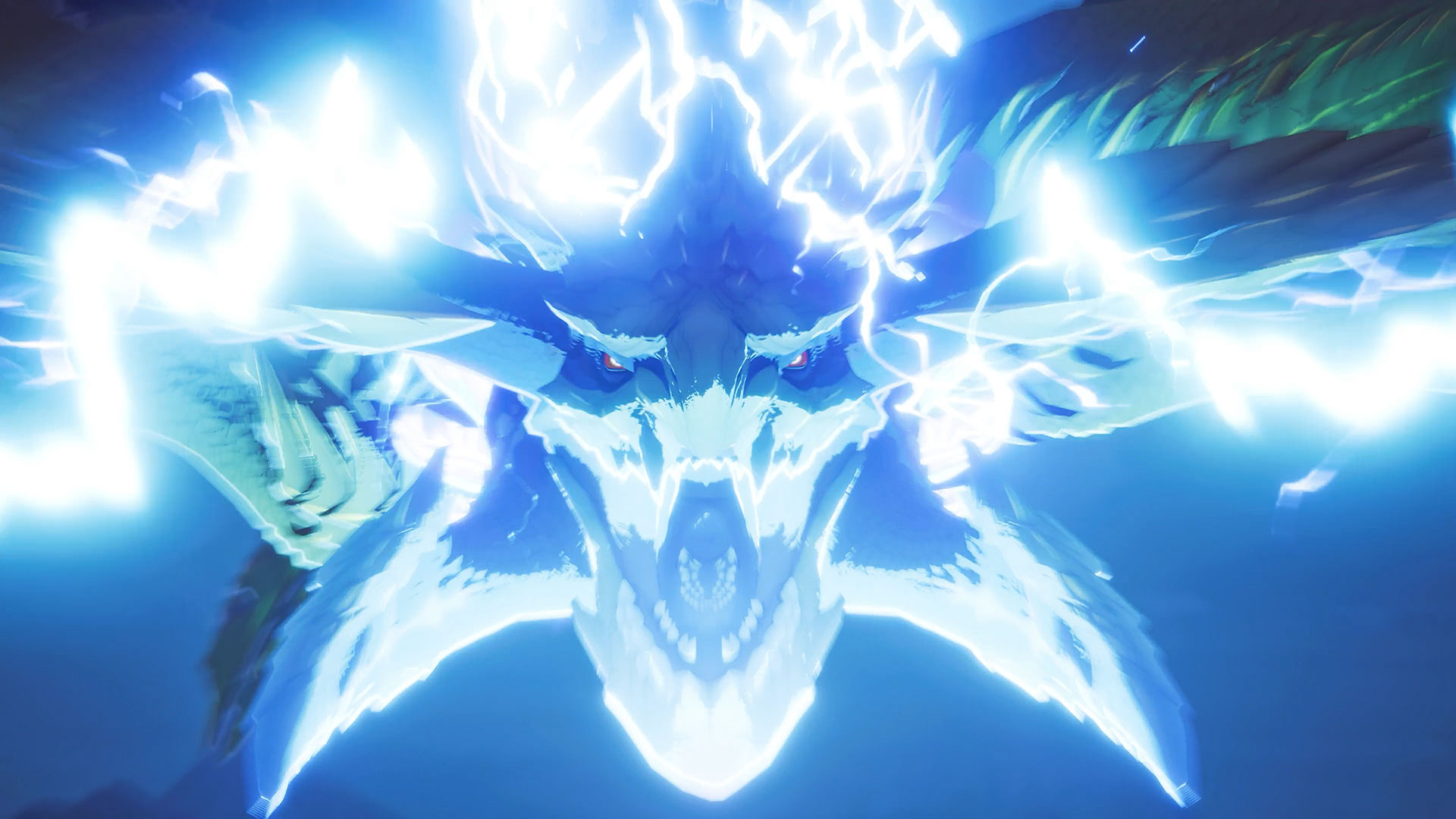
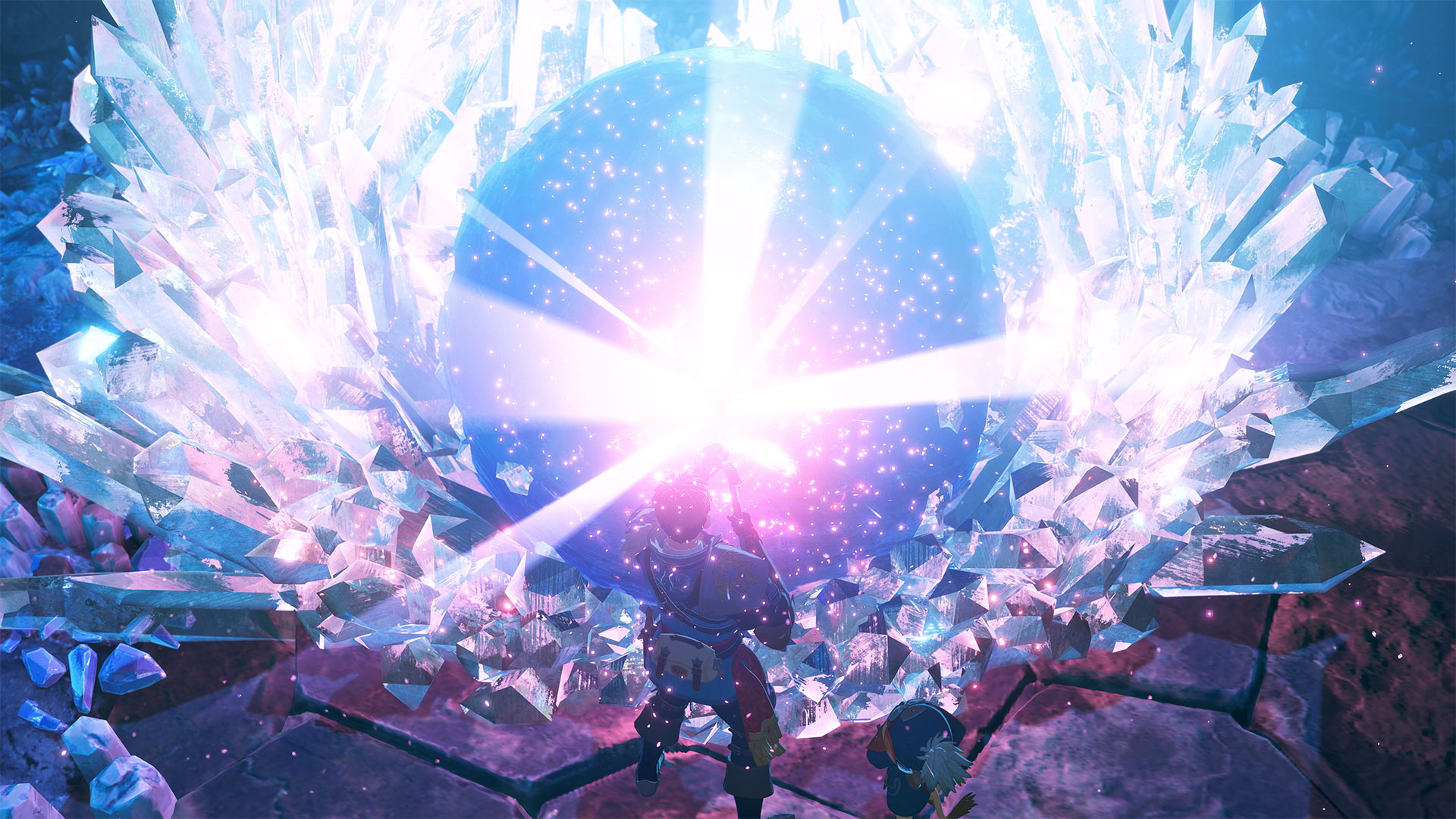
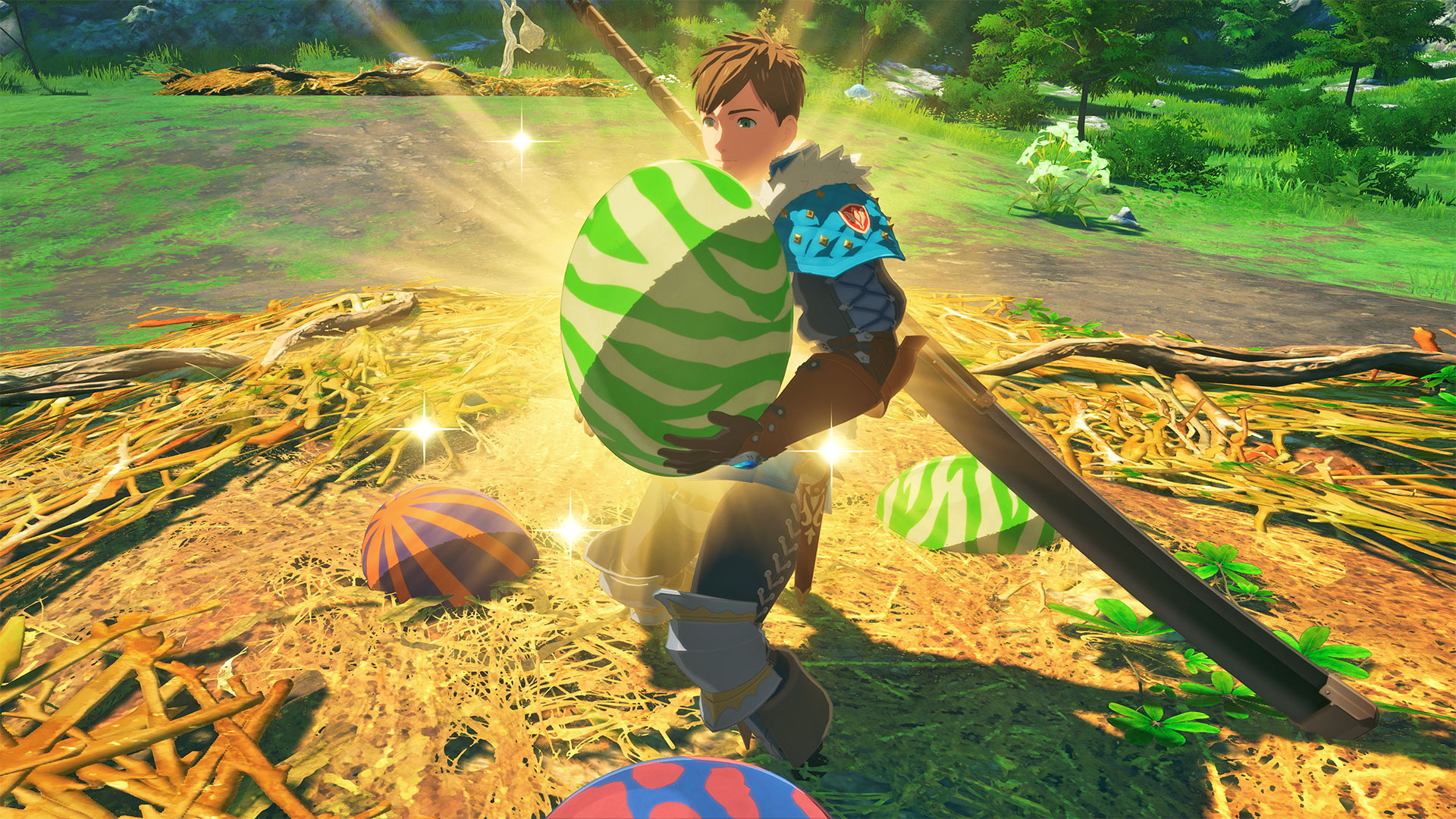
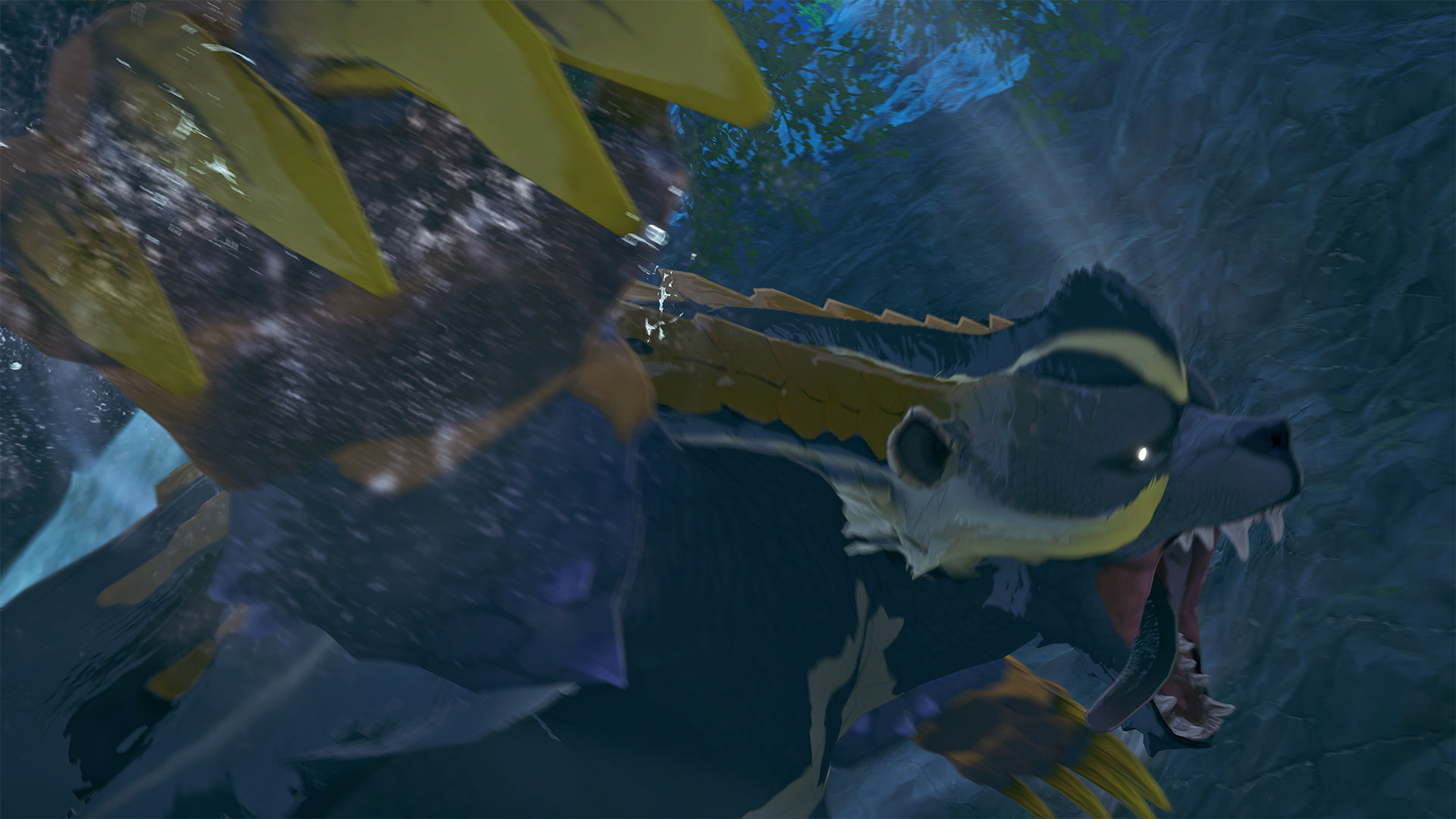
Players can explore during both day and night. At night, monsters are stronger compared to daytime, but there are specific types of monsters that only appear at night – invasive monsters. These deadly beasts cannot be defeated in a regular battle and require additional steps before engaging them. When in close proximity, players must collect three tracks to uncover the monster’s weakness. Once gathered, players can initiate the attack and must survive the battle long enough to force the monster to retreat. For instance, if a monster has a weakness in its ankle, the team should focus on attacking that area until the gauge is depleted, ending the battle. After the monster flees, players have the opportunity to visit its nearby den to secure an endangered monster egg, which is essential for restoring monsters to their territory. The same invasive monster will be resting in the den, and if awakened, a tough battle will ensue.
The lead-up to these battles functions as a stealth mini-game. Players must either evade enemy detection or distract them from a distance to collect the monster’s footprint. Whether you enjoy stealth missions or not, some of these scenarios are driven by the story, so be prepared.
Battling the Feral
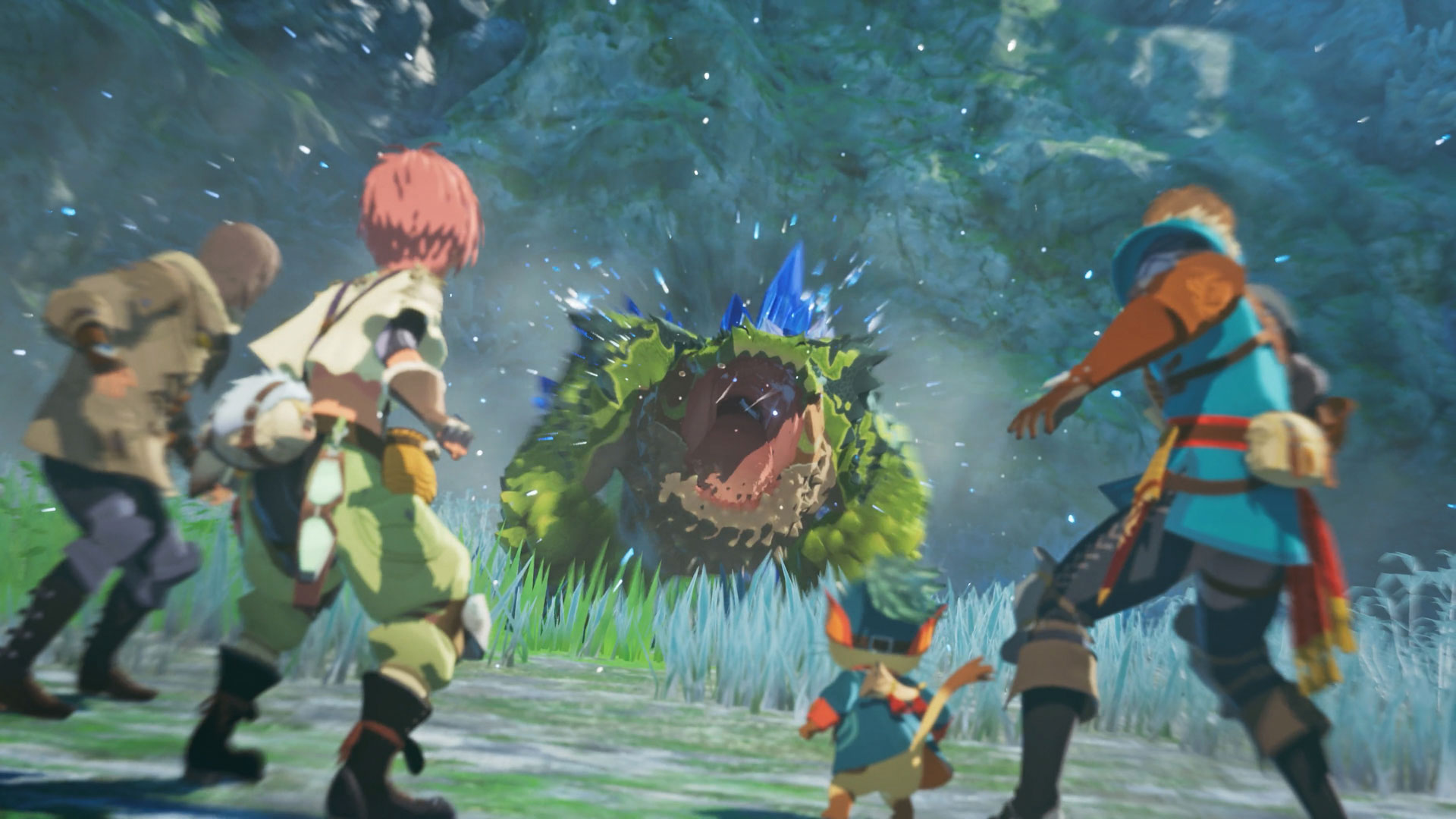
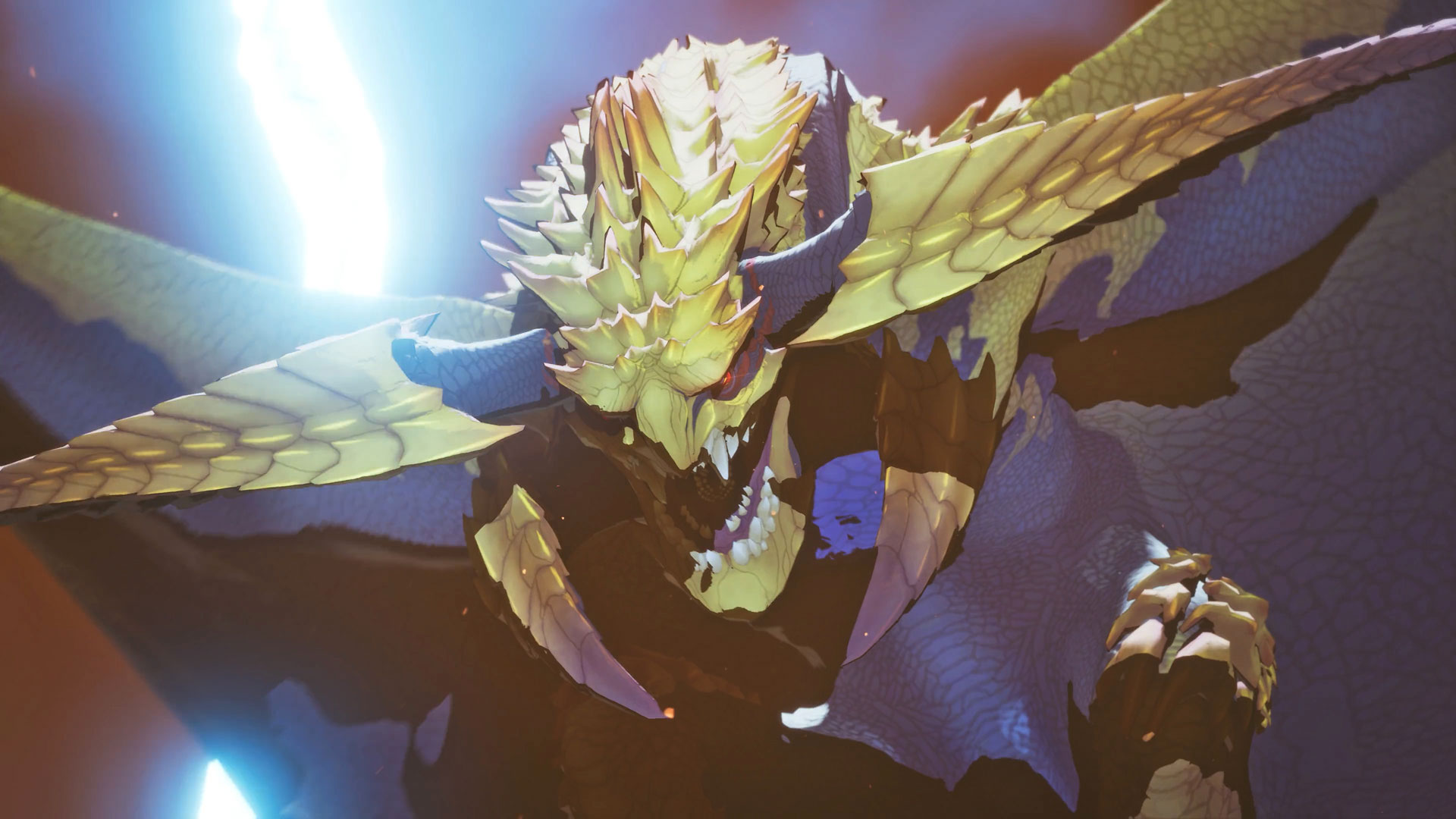
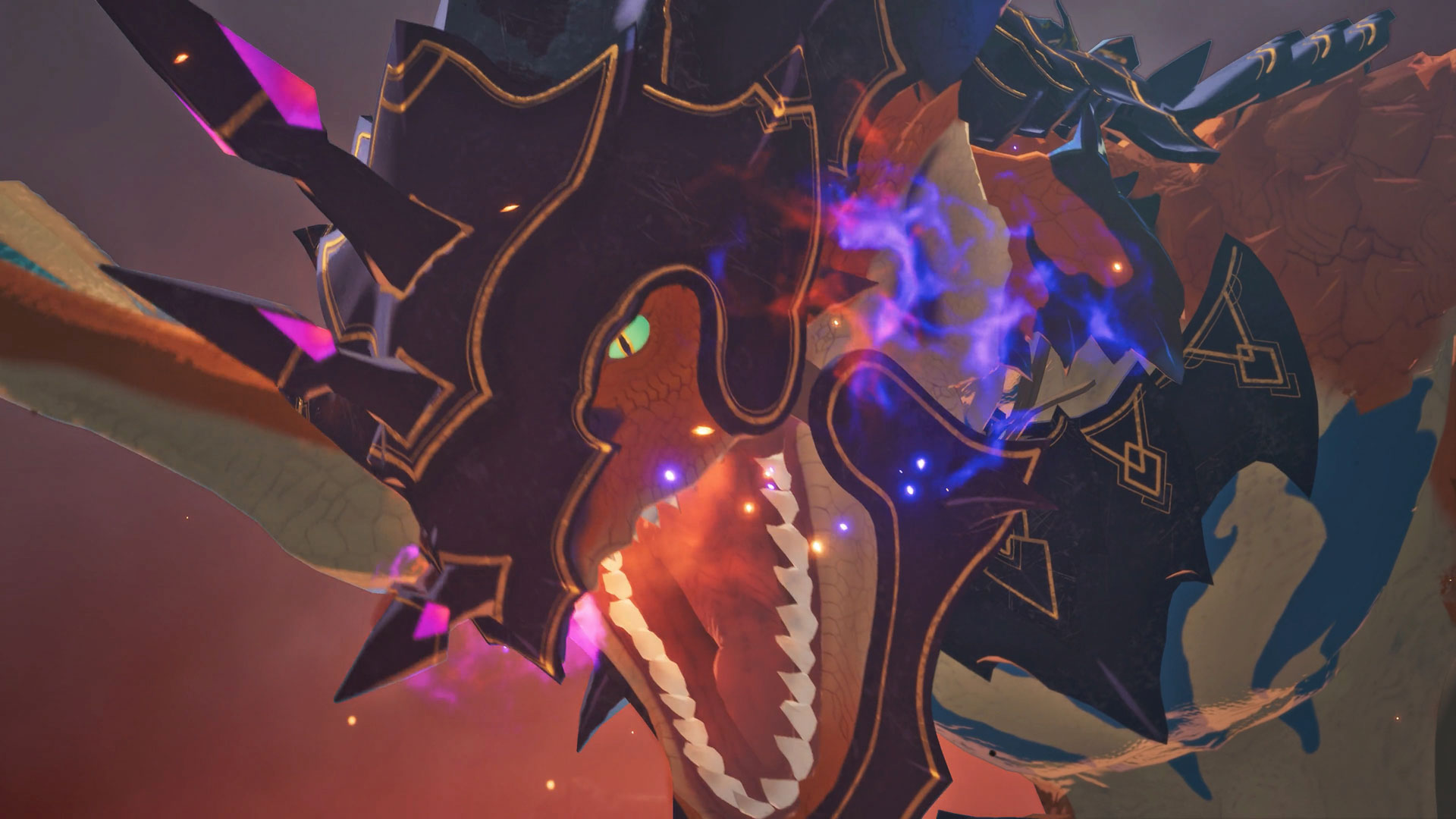
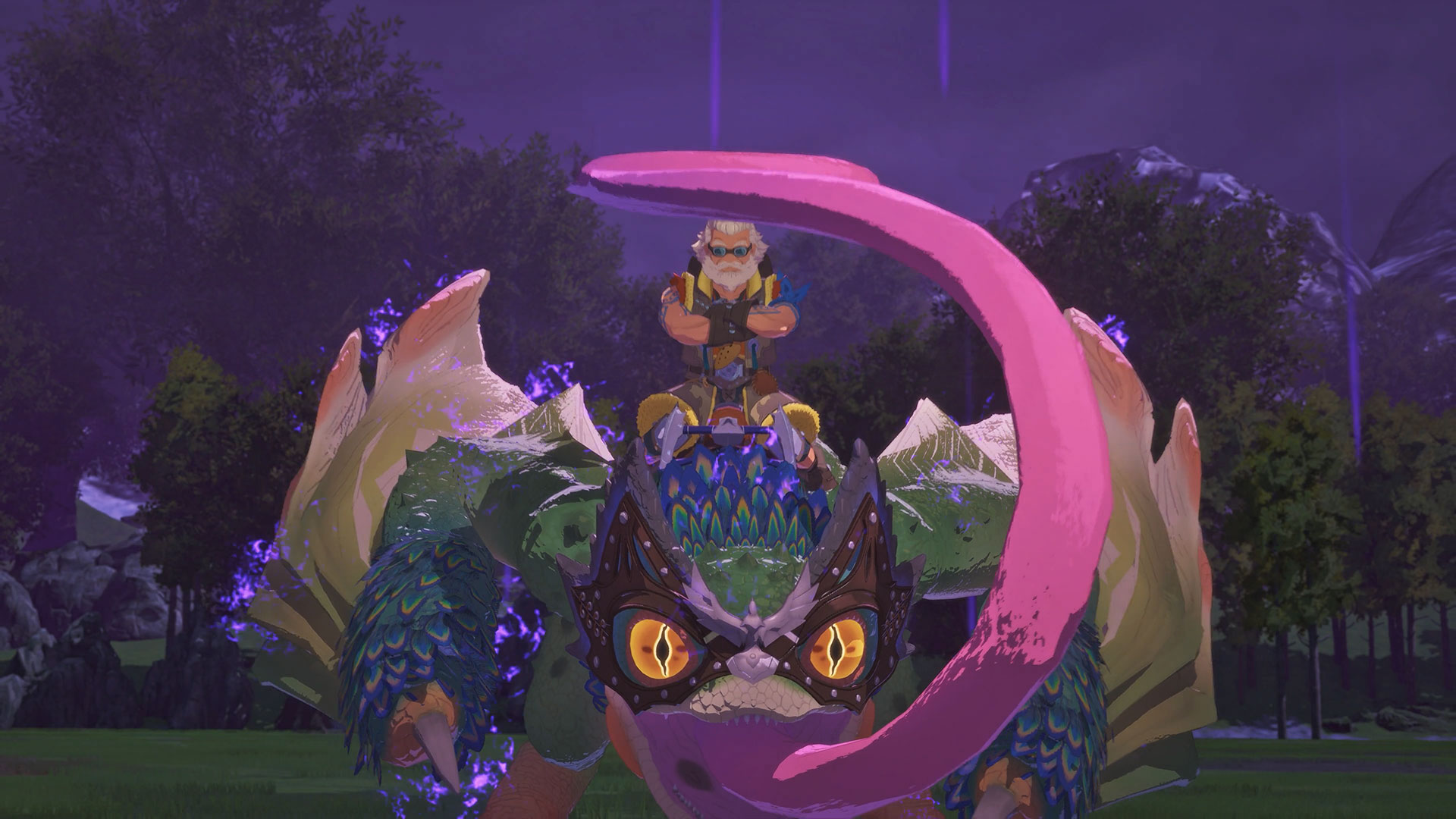
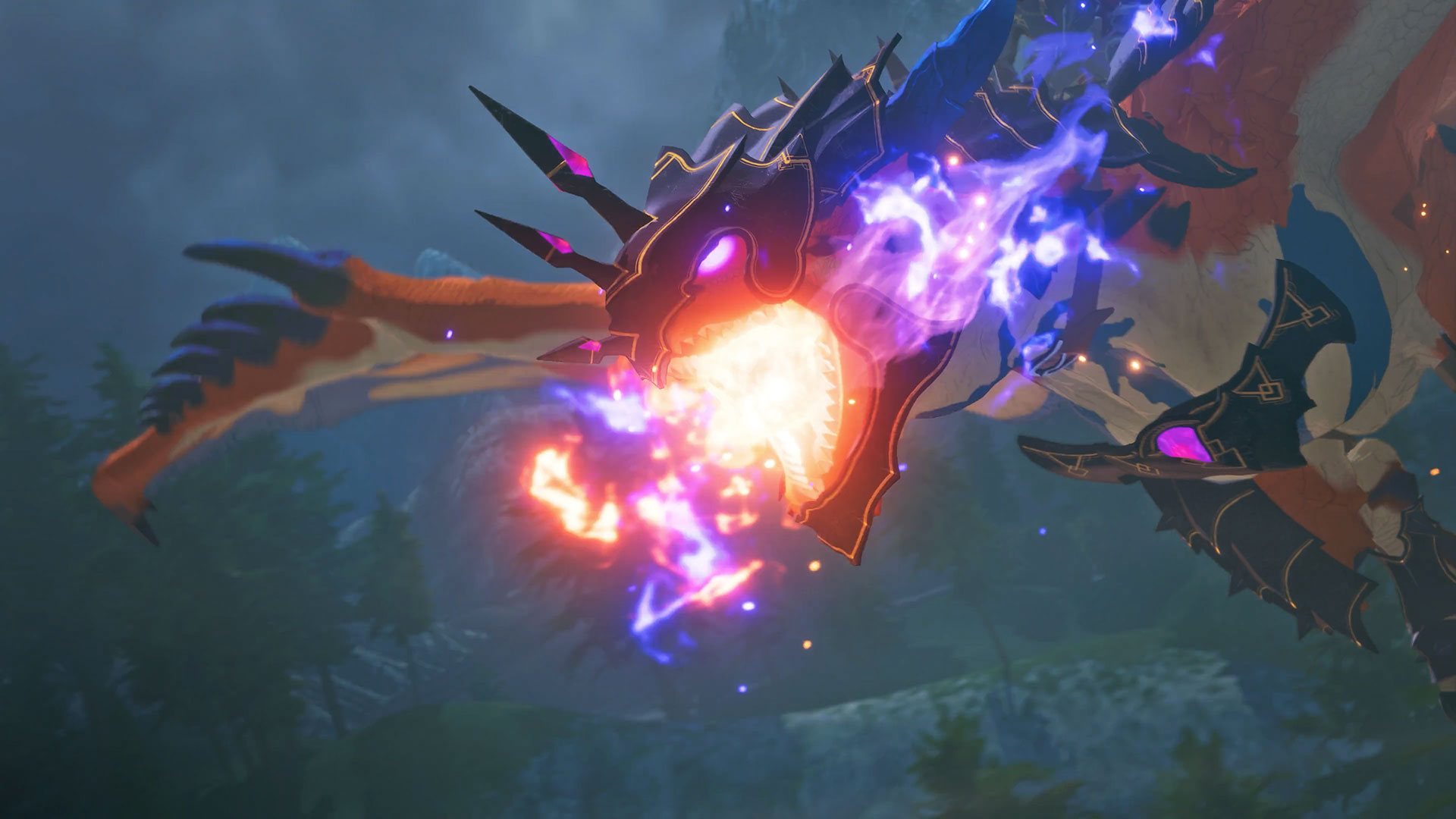
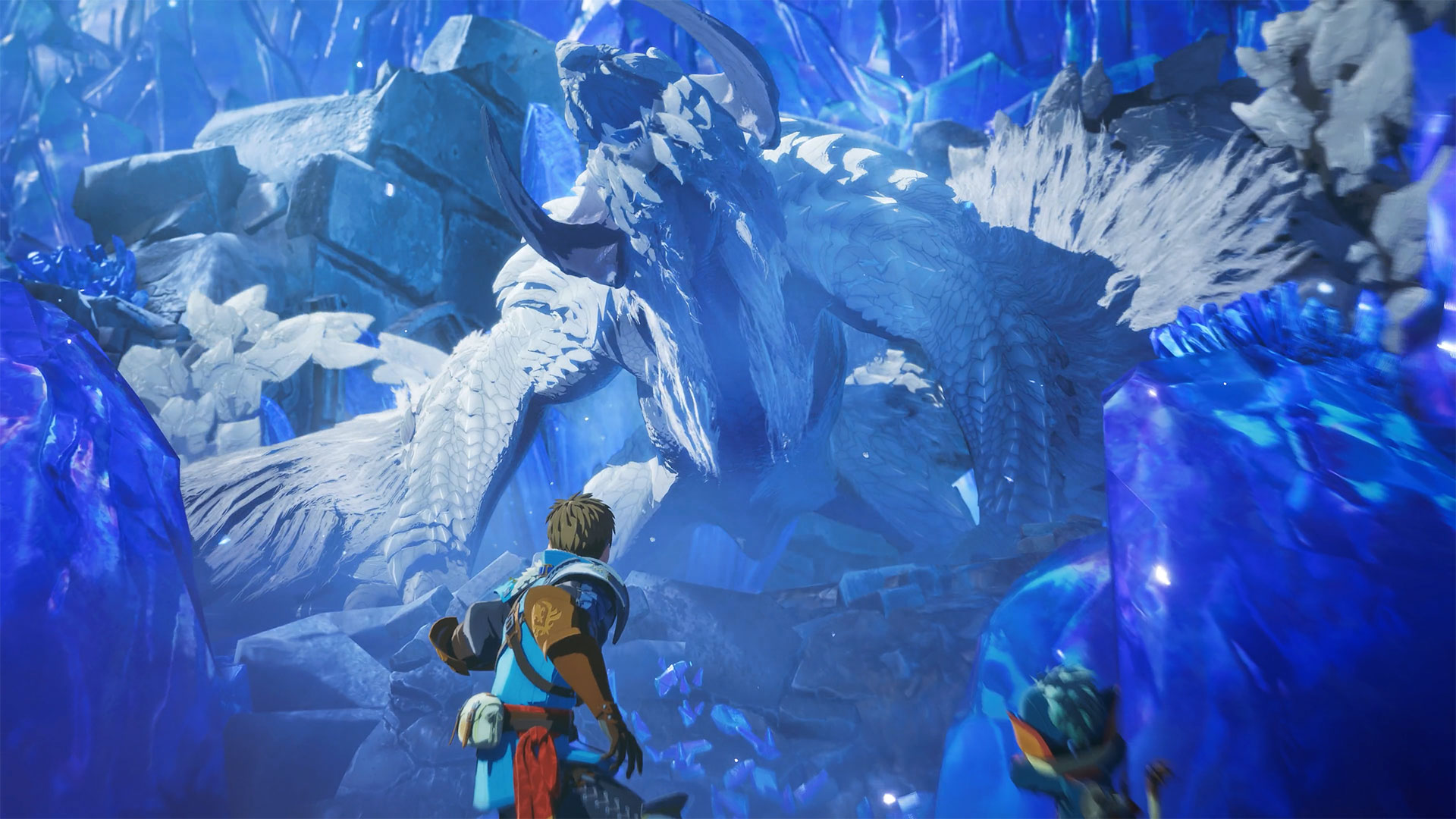
Feral monsters are aggressive beasts with higher attacks and stats. They are also one of the focal points in the game’s story. These monsters roam in certain areas and are marked on the map. Defeating them allows you to set up a campsite and potentially bring back certain monsters to that habitat. In battle, these feral monsters can unleash powerful attacks, so players must target specific body parts to prevent these attacks from wiping out the party.
Feral monsters that are not encountered automatically during the game’s story or missions prove to be particularly challenging for each member of your team. Leveling up and upgrading equipment for specific feral battles are essential to winning these tough fights.
Enjoy the Journey
As you flow through the game, you’ll want to uncover everything, but some of these challenging monsters will prevent you from going too far. For most of the time exploring Monster Hunter Stories 3, playing the game’s story and taking on any available missions were the best options. Don’t rush to death’s door just yet in this game; take your time and explore what’s available until you reach a high level and gain battle experience.
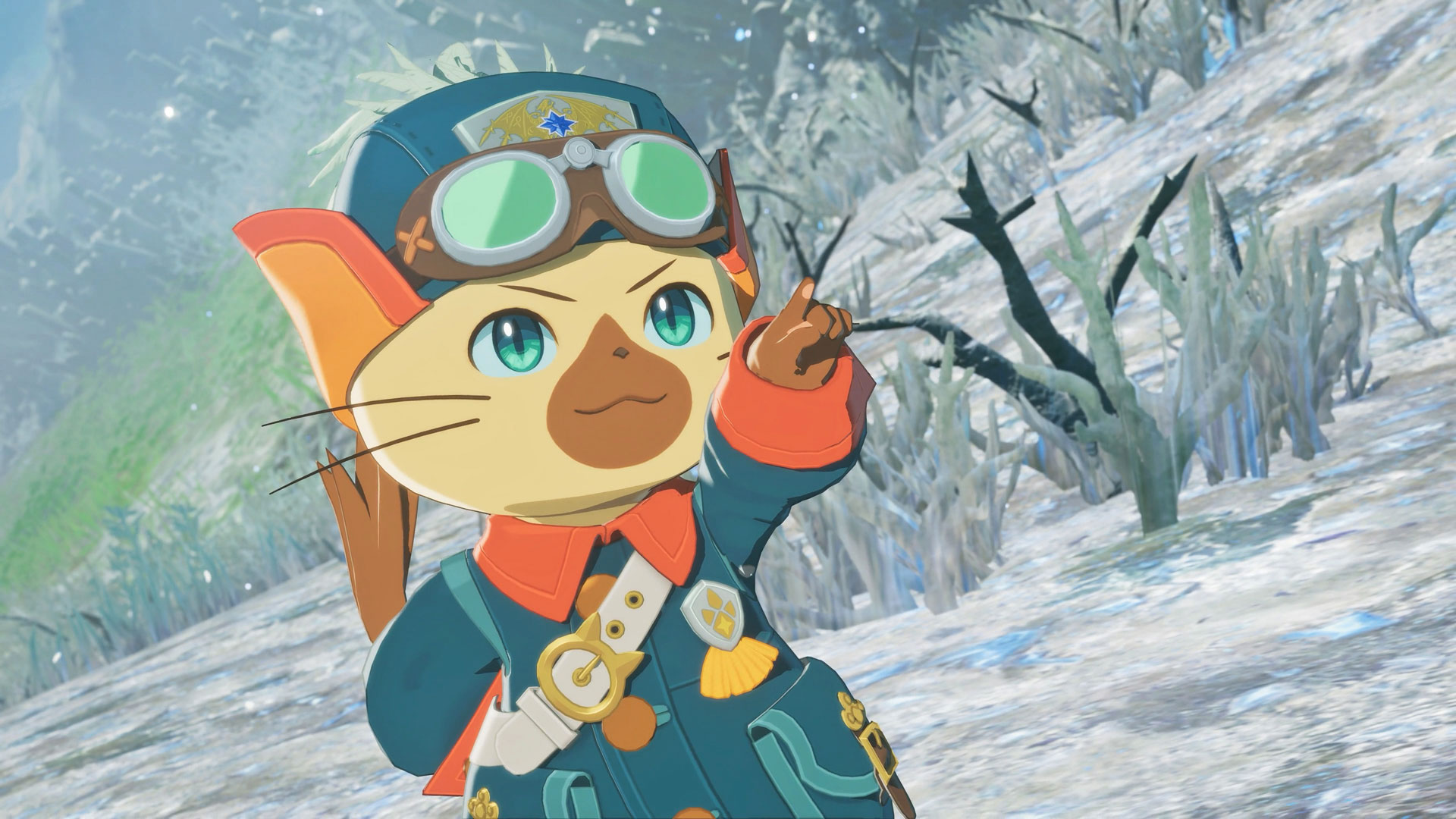
So far, we’re enjoying the visuals and exploration in Monster Hunter Stories 3. There’s a lot of information on how to play the game. Battles can be quite challenging, but we are eager to dive further into how the story will unfold and how to best these challenging monsters more easily. The cats and their puns, we love ‘em!
A PlayStation 5 preview code was provided by Capcom for this article. Monster Hunter Stories 3: Twisted Reflection launches on the Nintendo Switch 2, PlayStation 5, Xbox Series X/S, and PC on March 13, 2026. Fans can visit the game’s official website for more information and purchasing options.
Related Stories
Related Posts


























Leave a Reply
Subscribe
Login
0 Comments
Oldest