4.5 out of 5
Purr!
Purrr....
- An emotionally, powerful story
- Stunning visuals
- Beautiful art direction
- Soundtrack
- Camera-based gameplay
Hisss!
- Needs more quality of life features (game update to come)
- Framerate drops
- Loading times
Platform
Switch 2, Switch, PCPublisher
SHUEISHA GAMESDeveloper
SIGONO INC.Genre
Adventure, PuzzlePlayers
1File Size (Minimum)
10.9 GBRelease Date (NA)
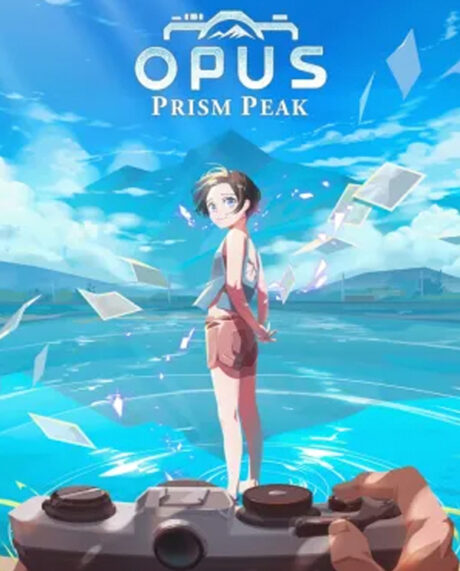
Apr 16, 2026OPUS: Prism Peak is a narrative-driven story that focuses on emotional development along with camera-shooting mechanics in a colorful, dreamlike world. While it does have some minor hiccups, it stands strong as a unique title for those looking for a solid story-driven game. Playing the demo at PAX West, it’s a game that’s been on my radar to check out.
A Picture is Worth a Thousand Words
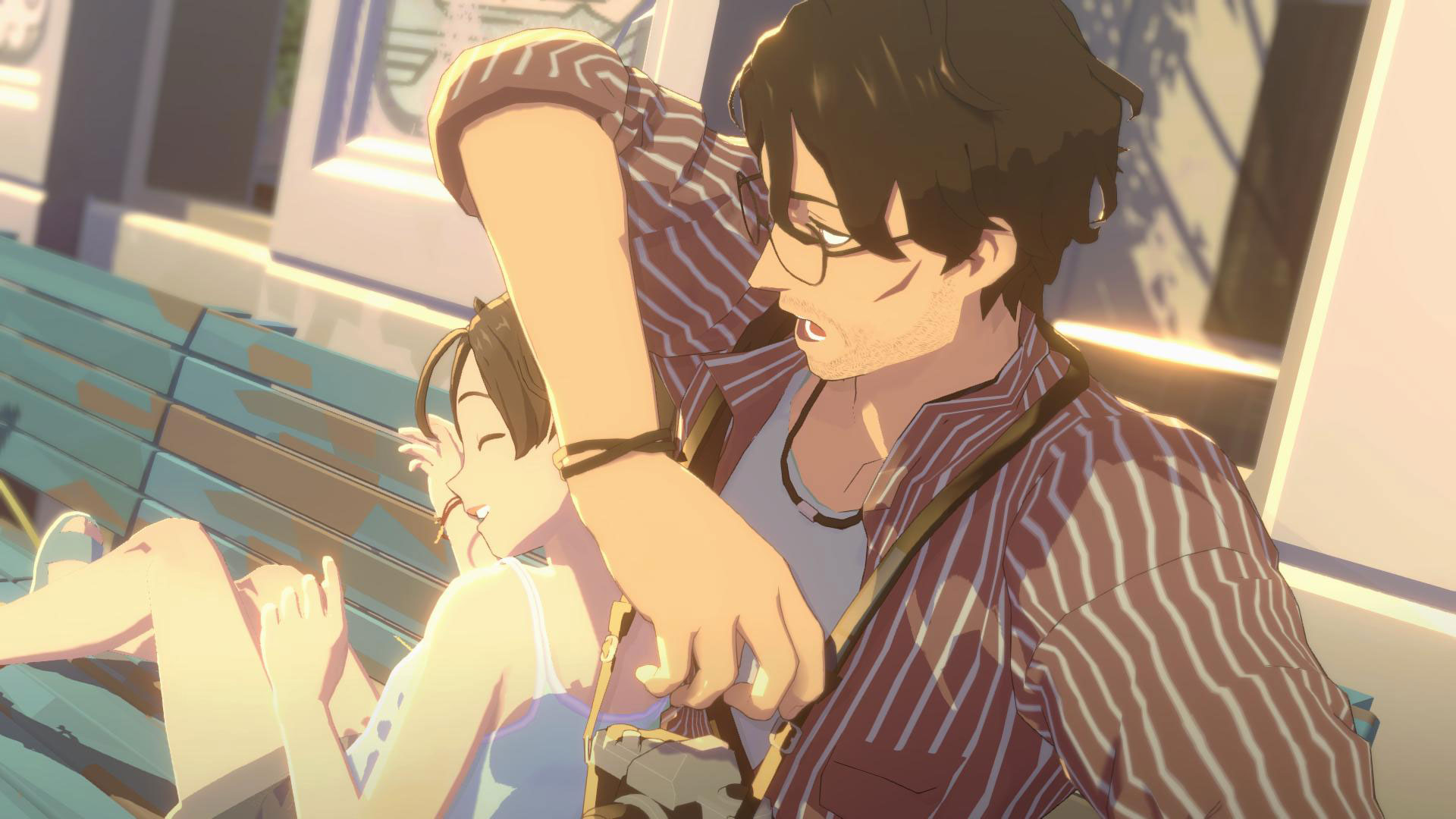
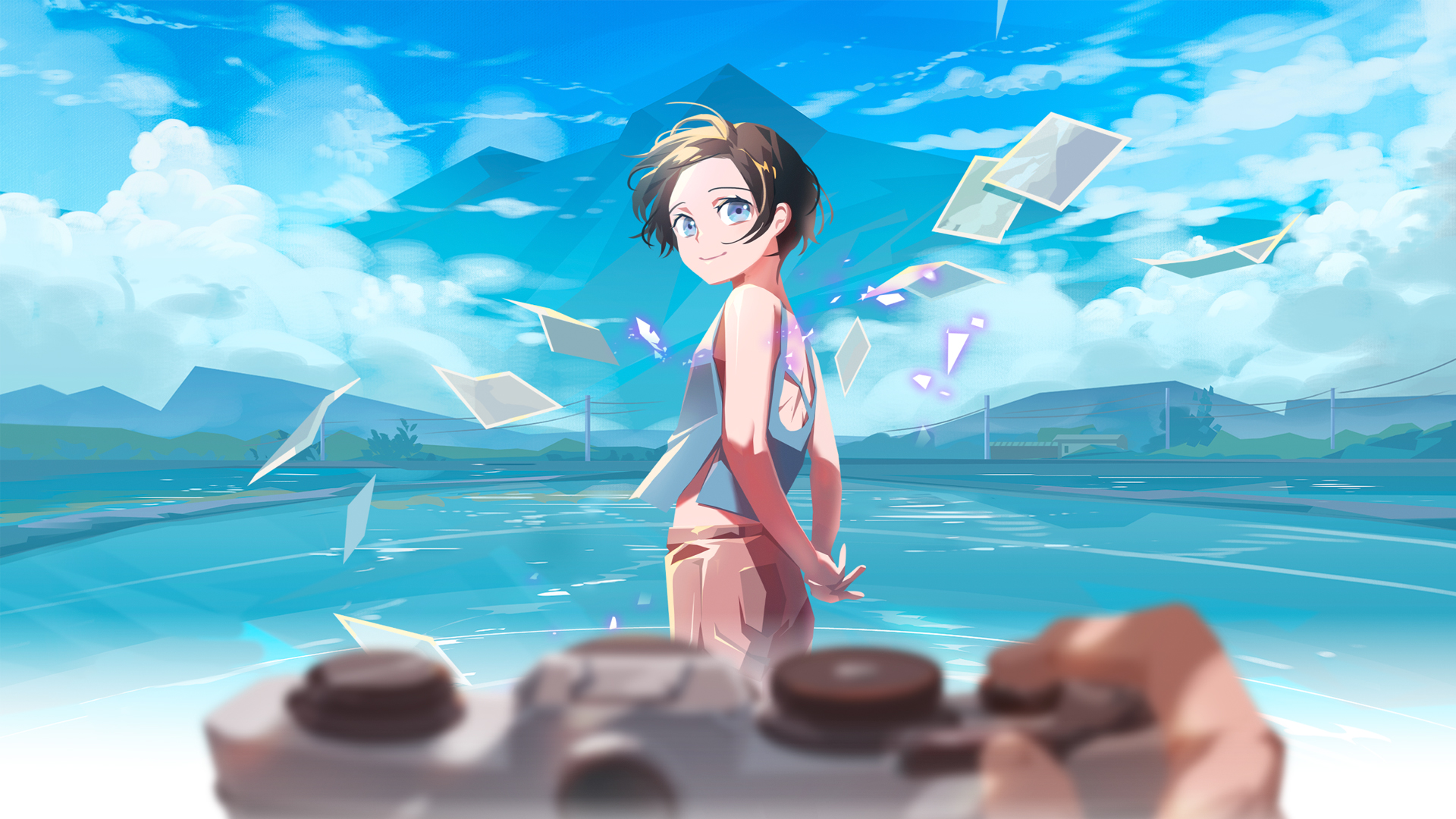
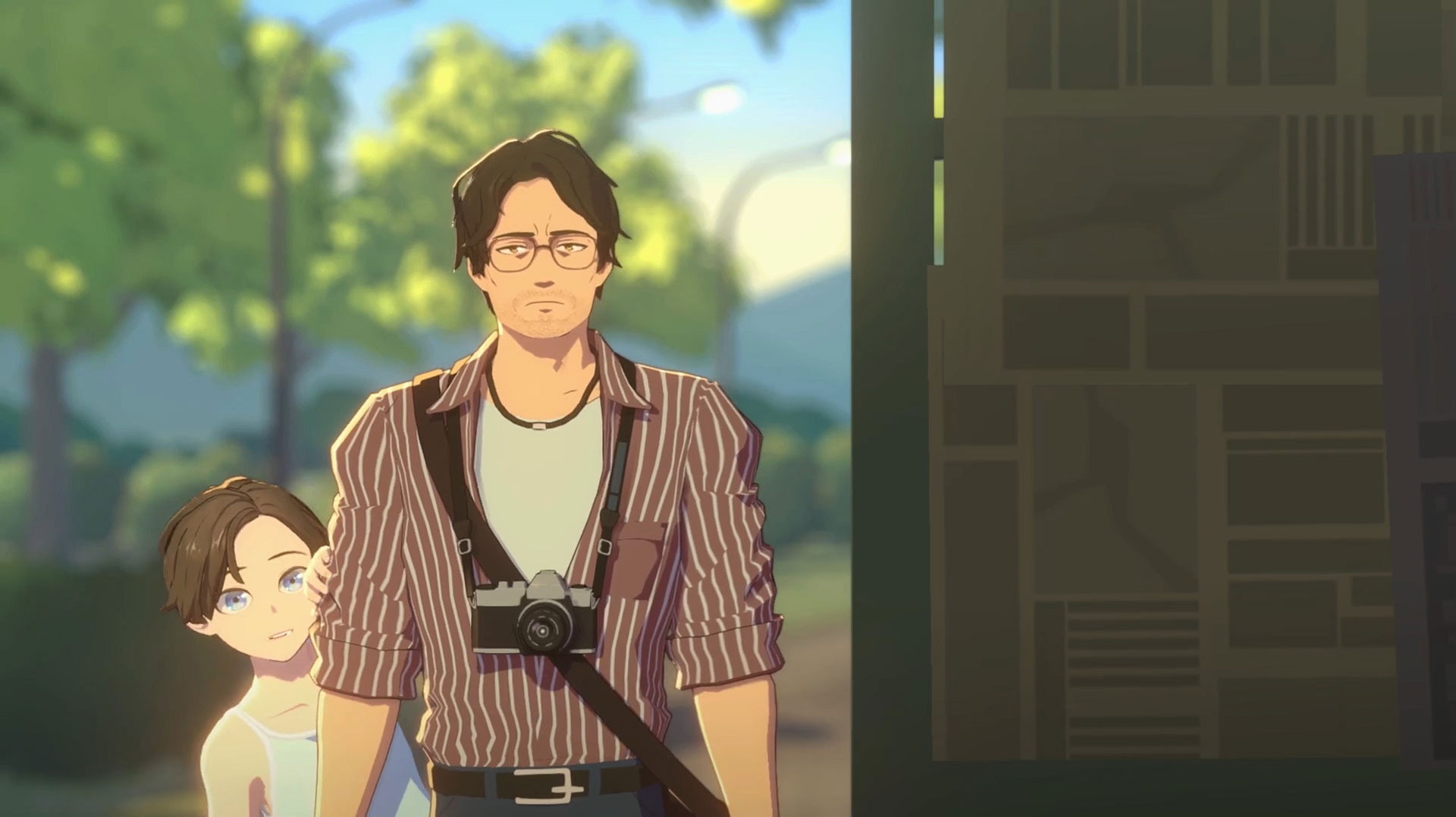
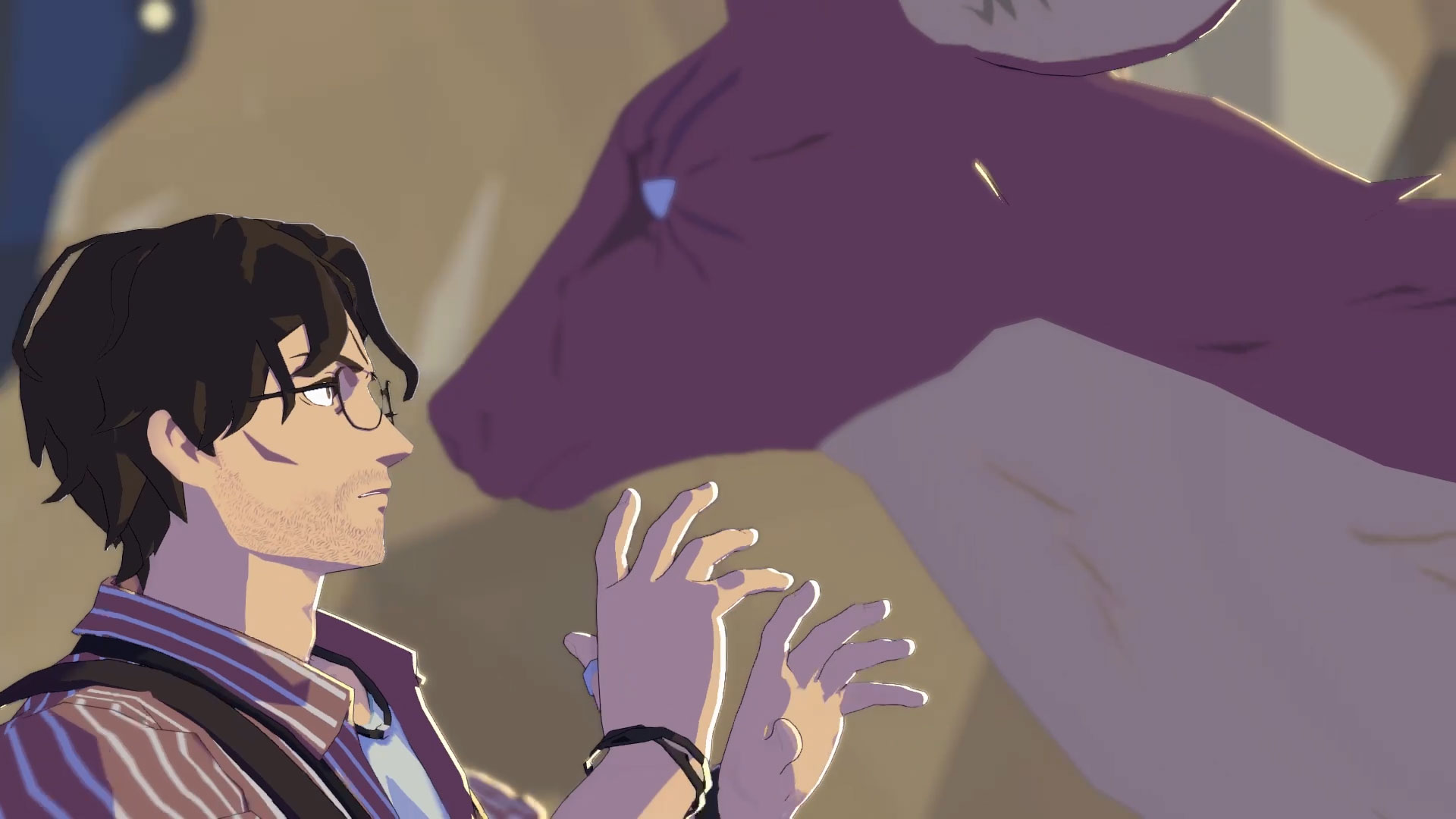
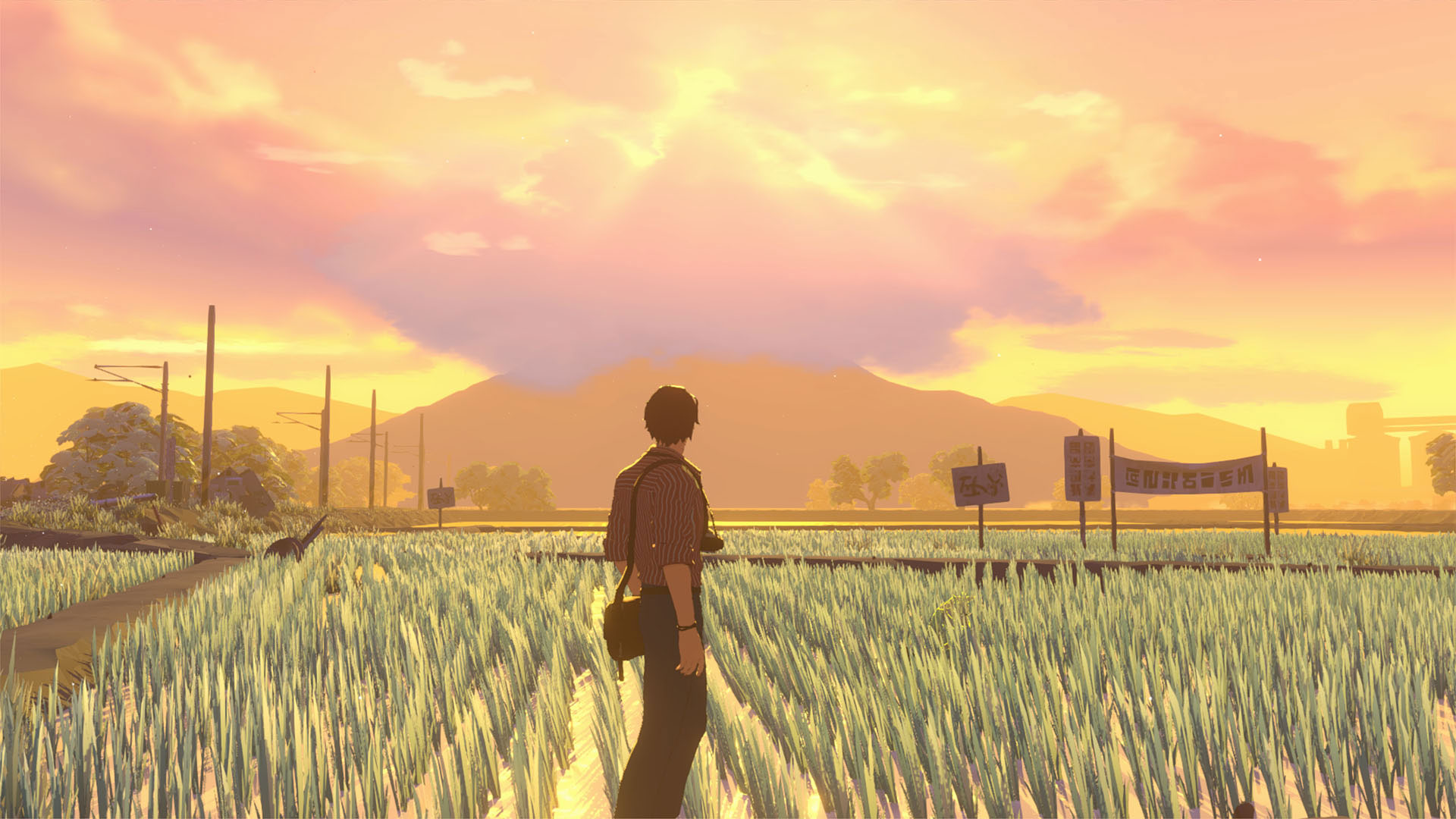
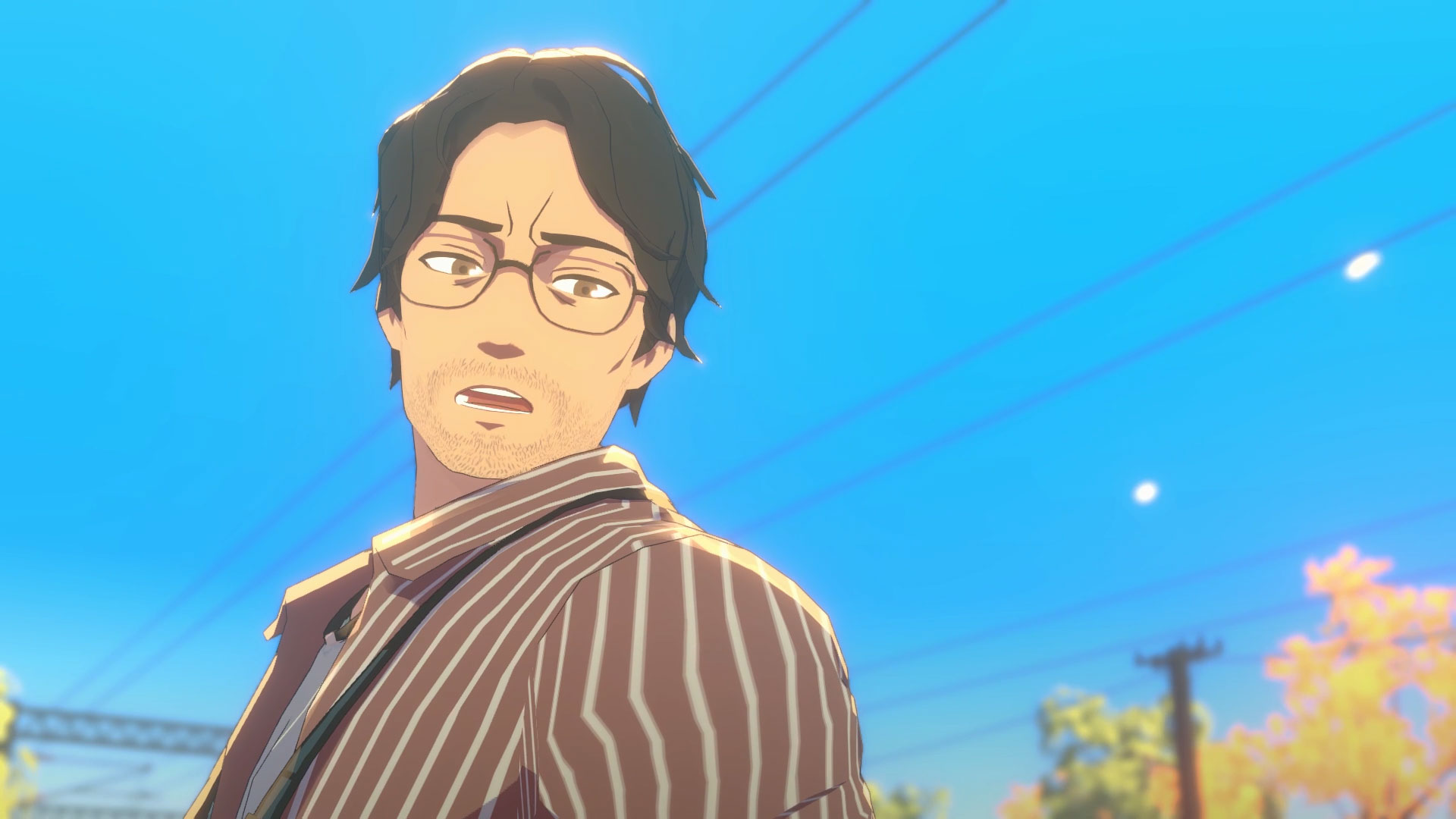
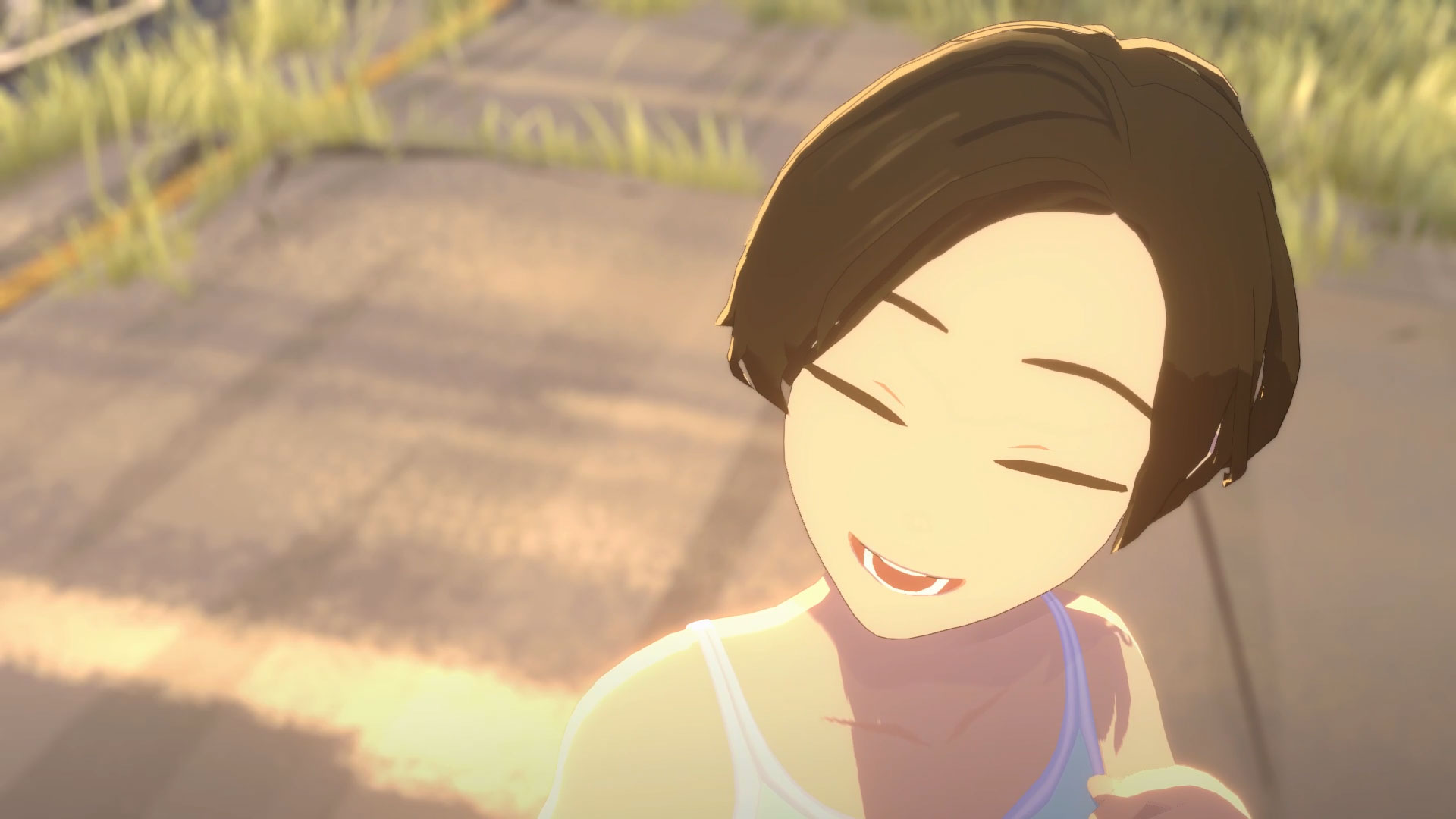
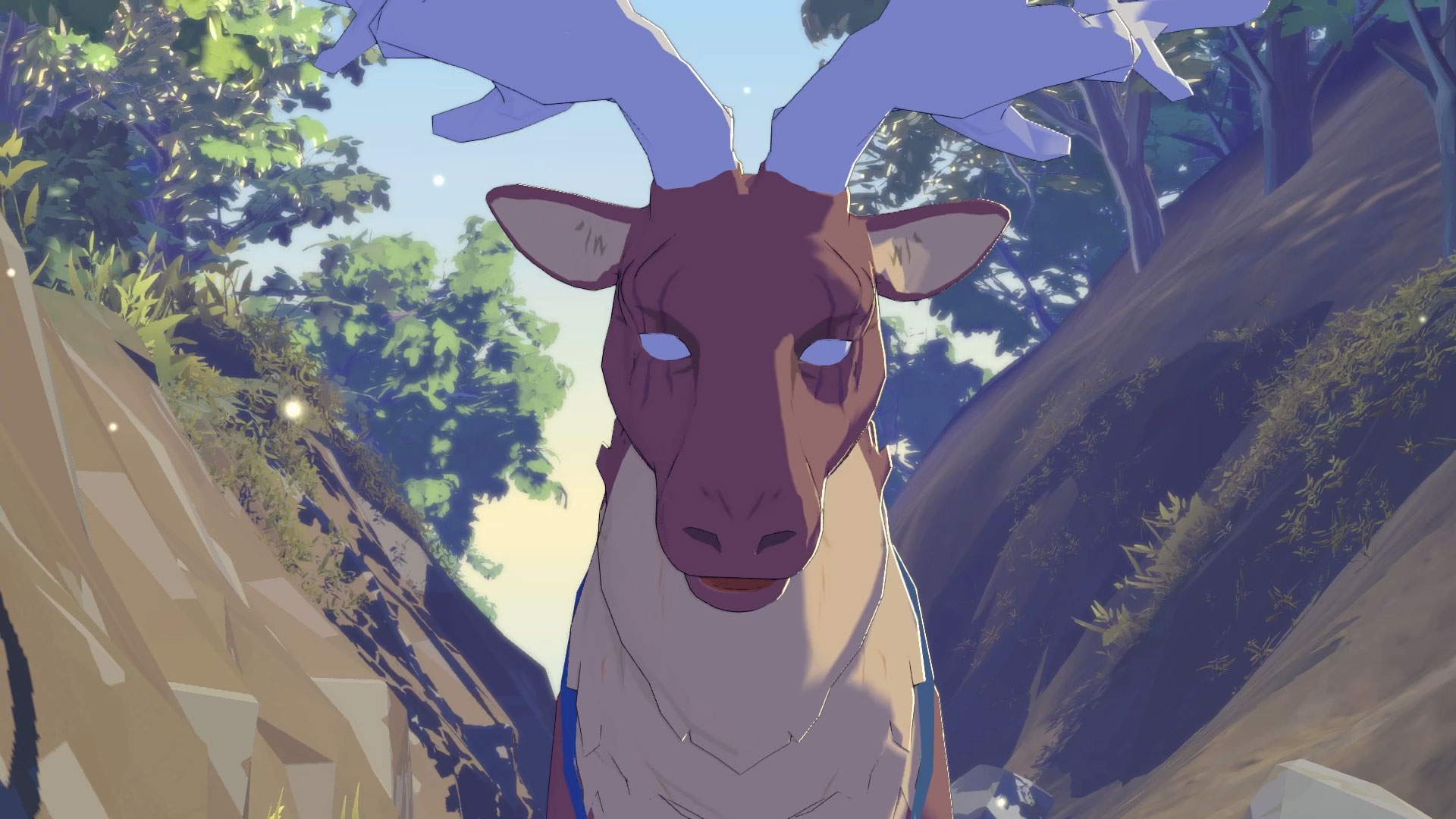
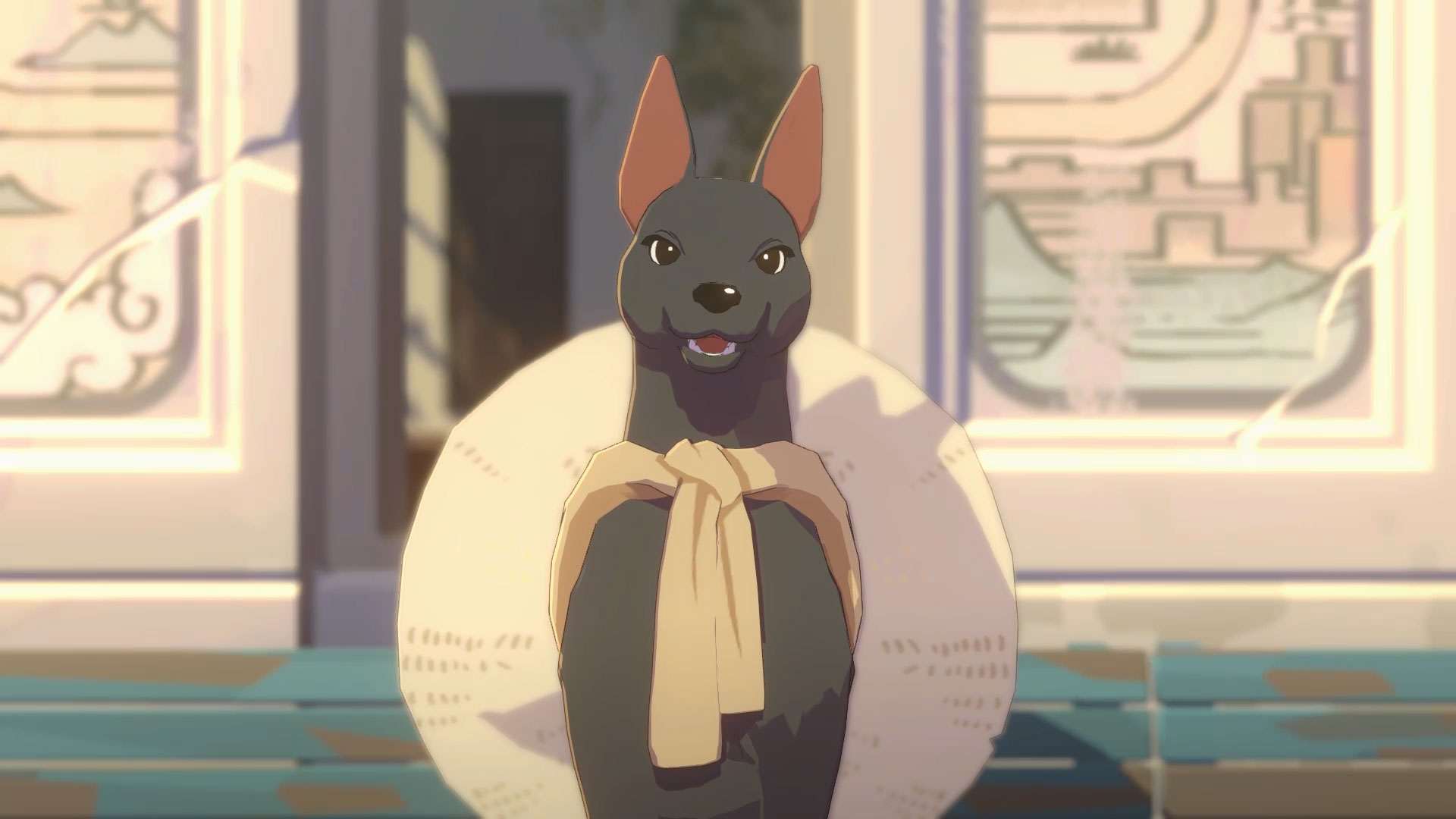
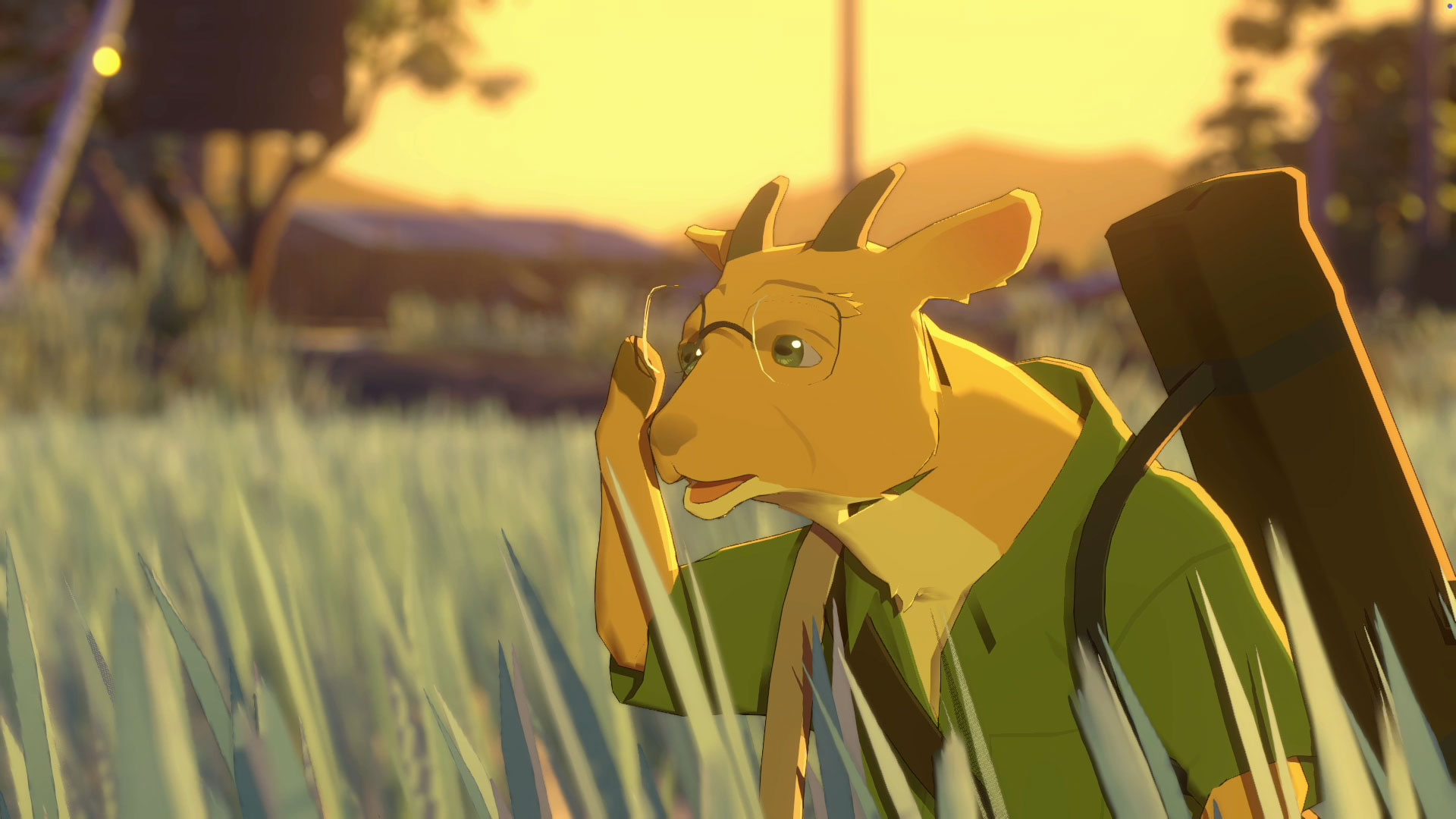
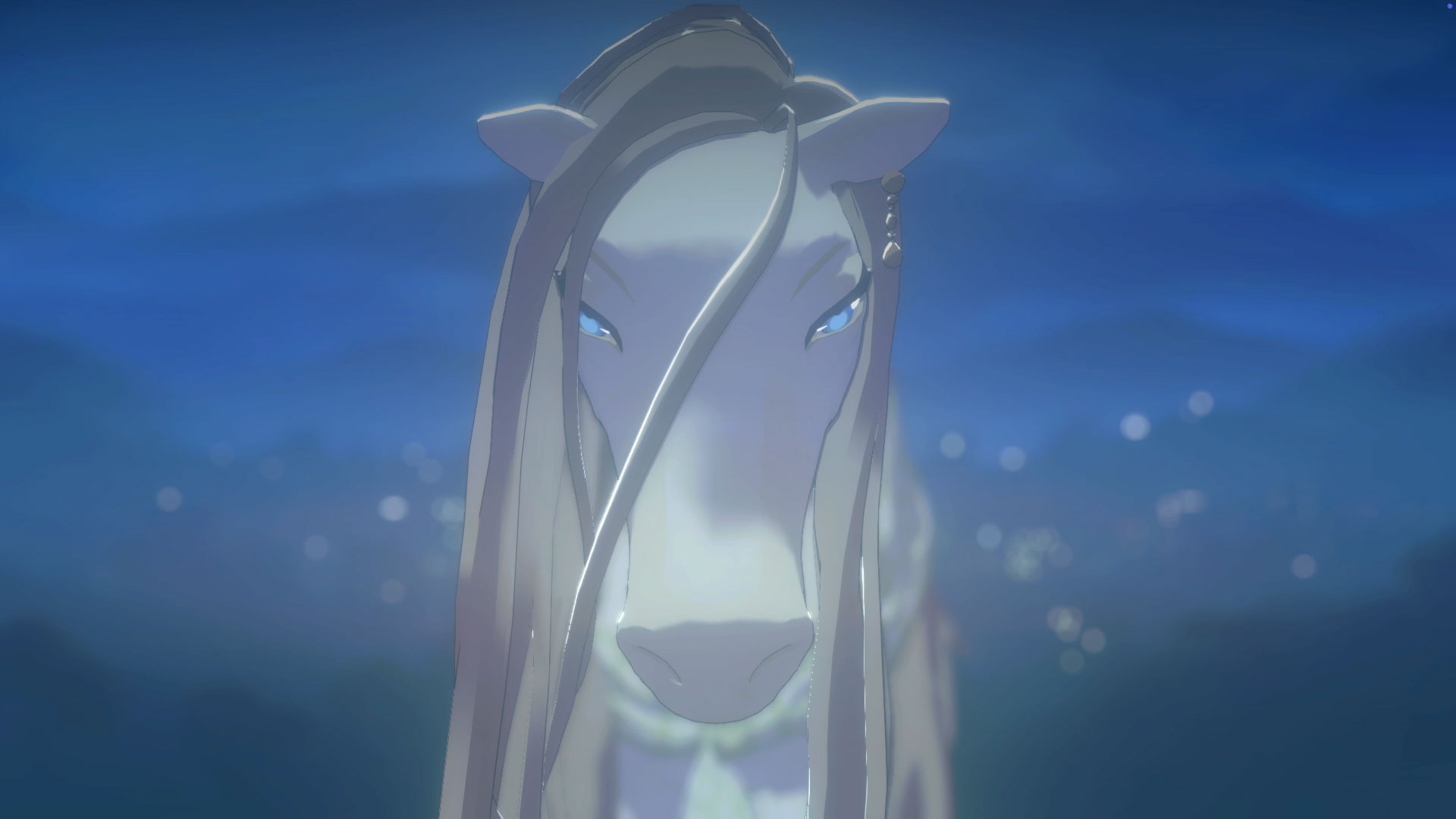
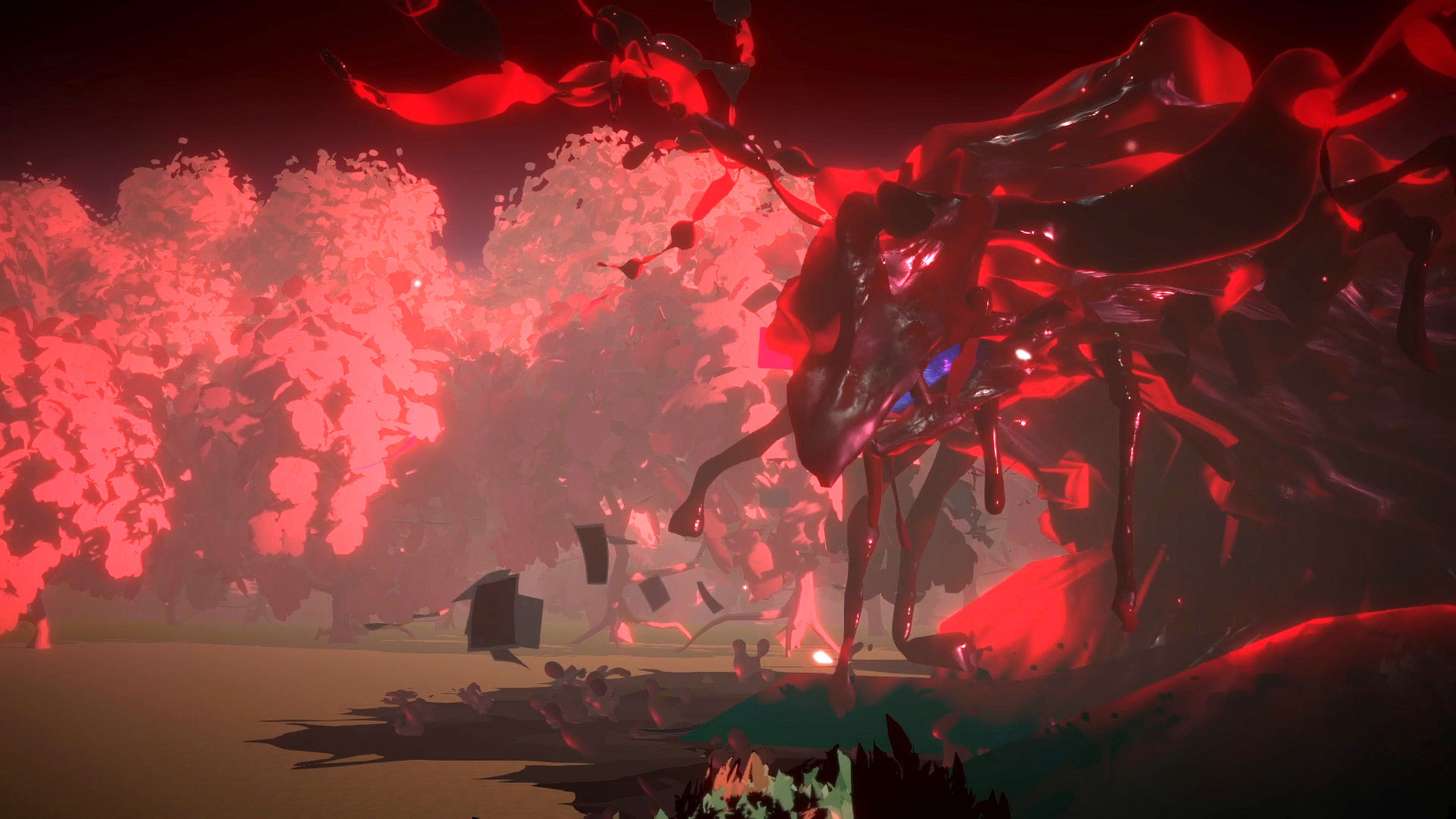
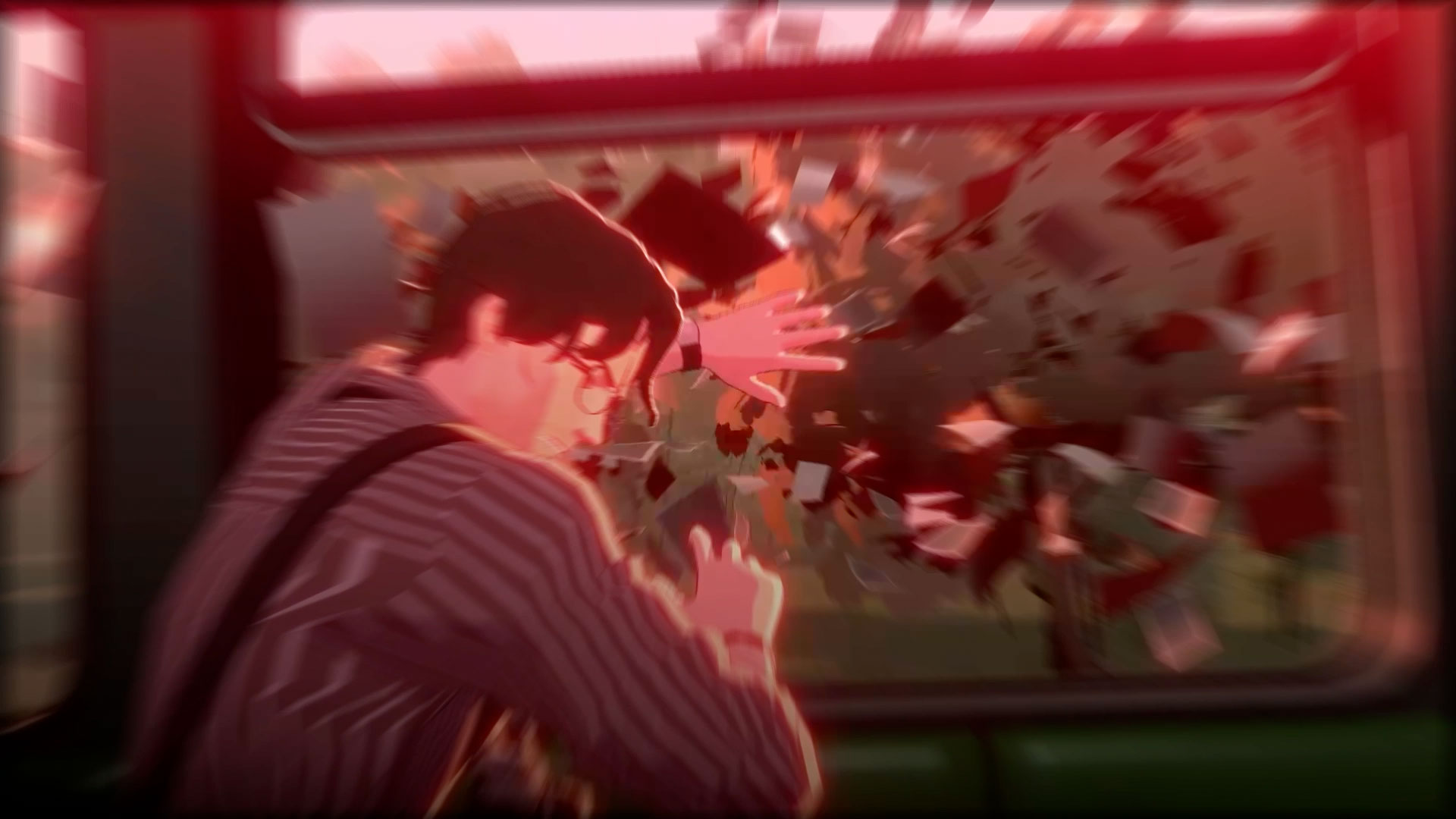
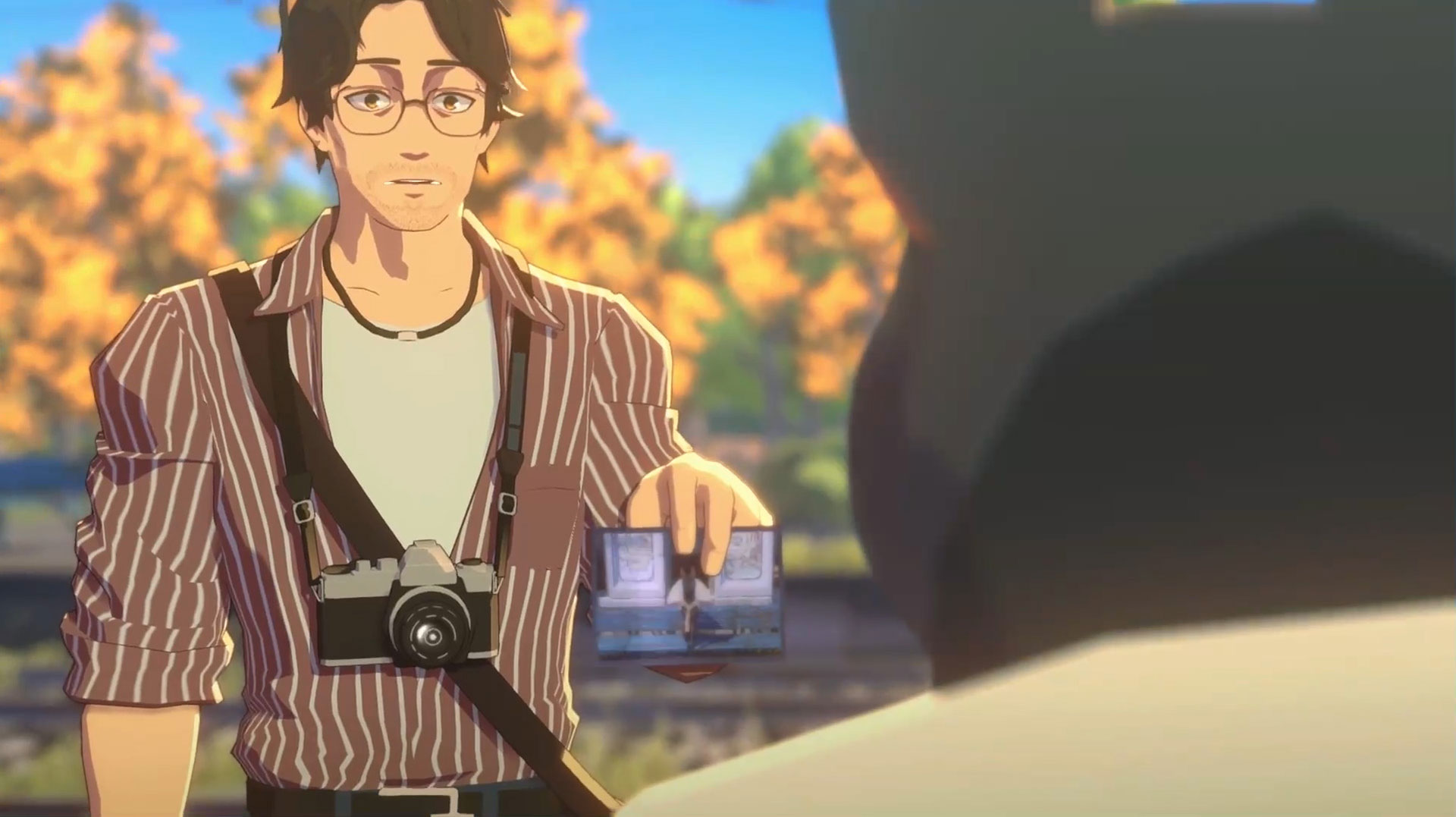
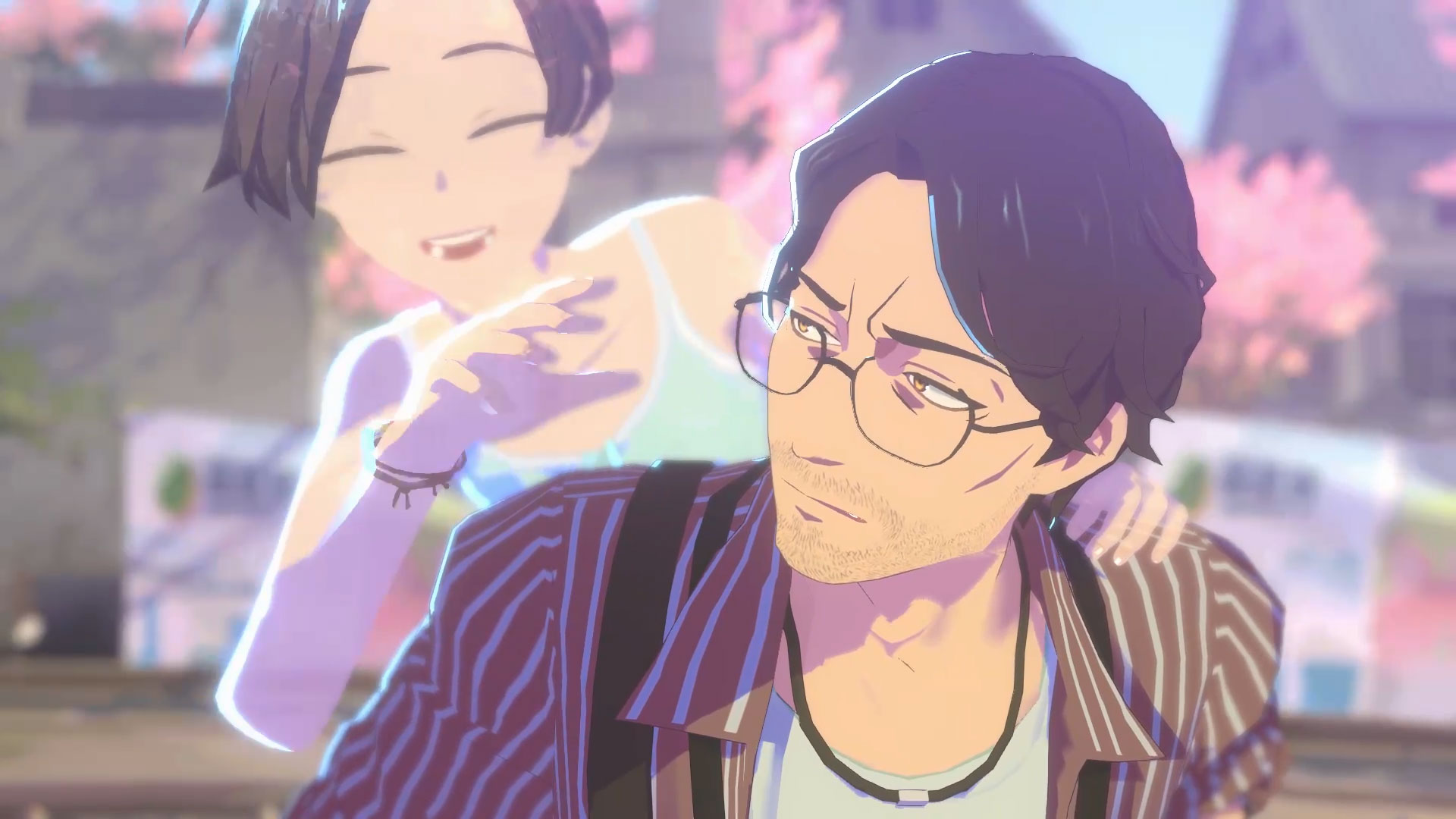
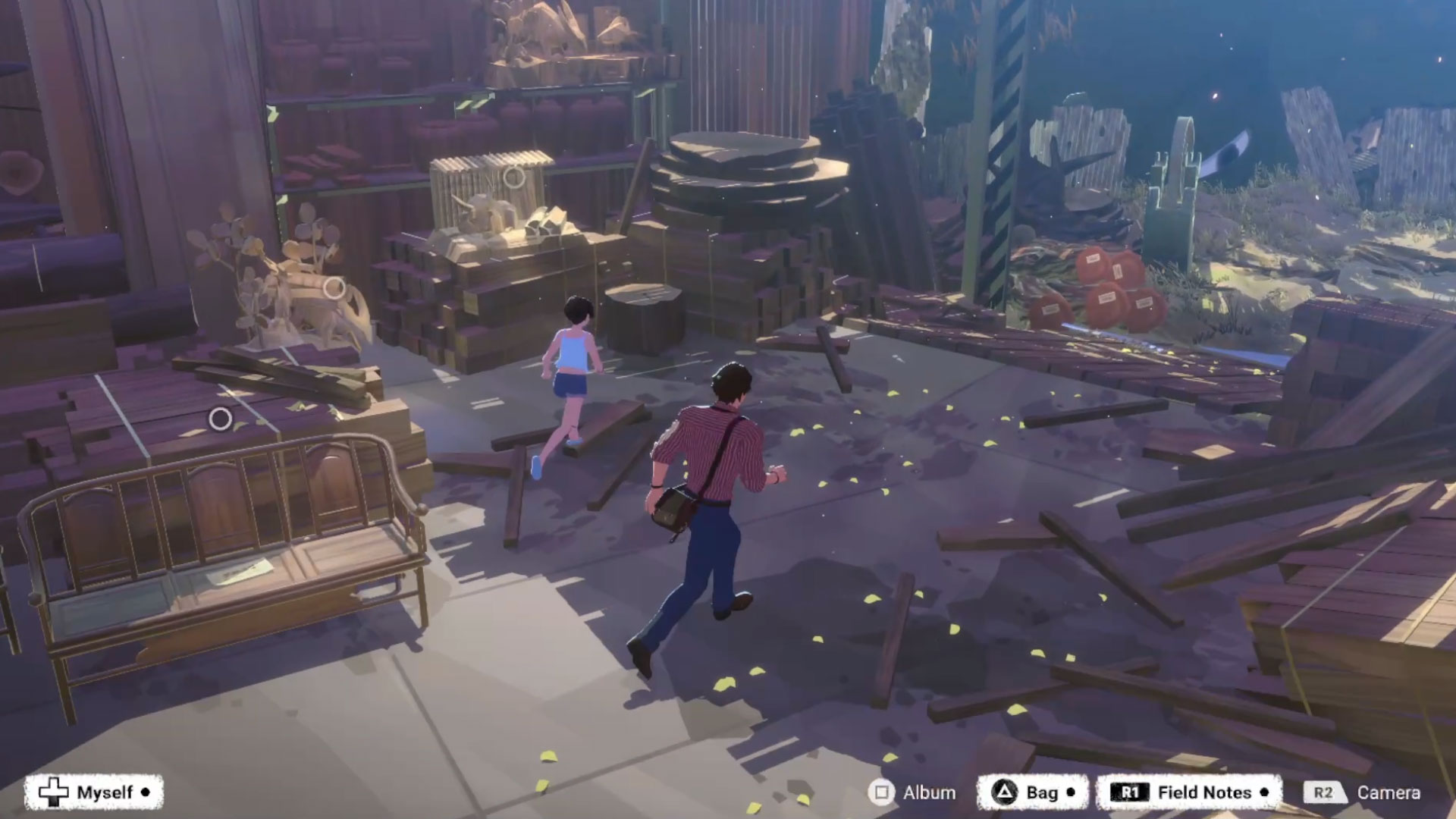
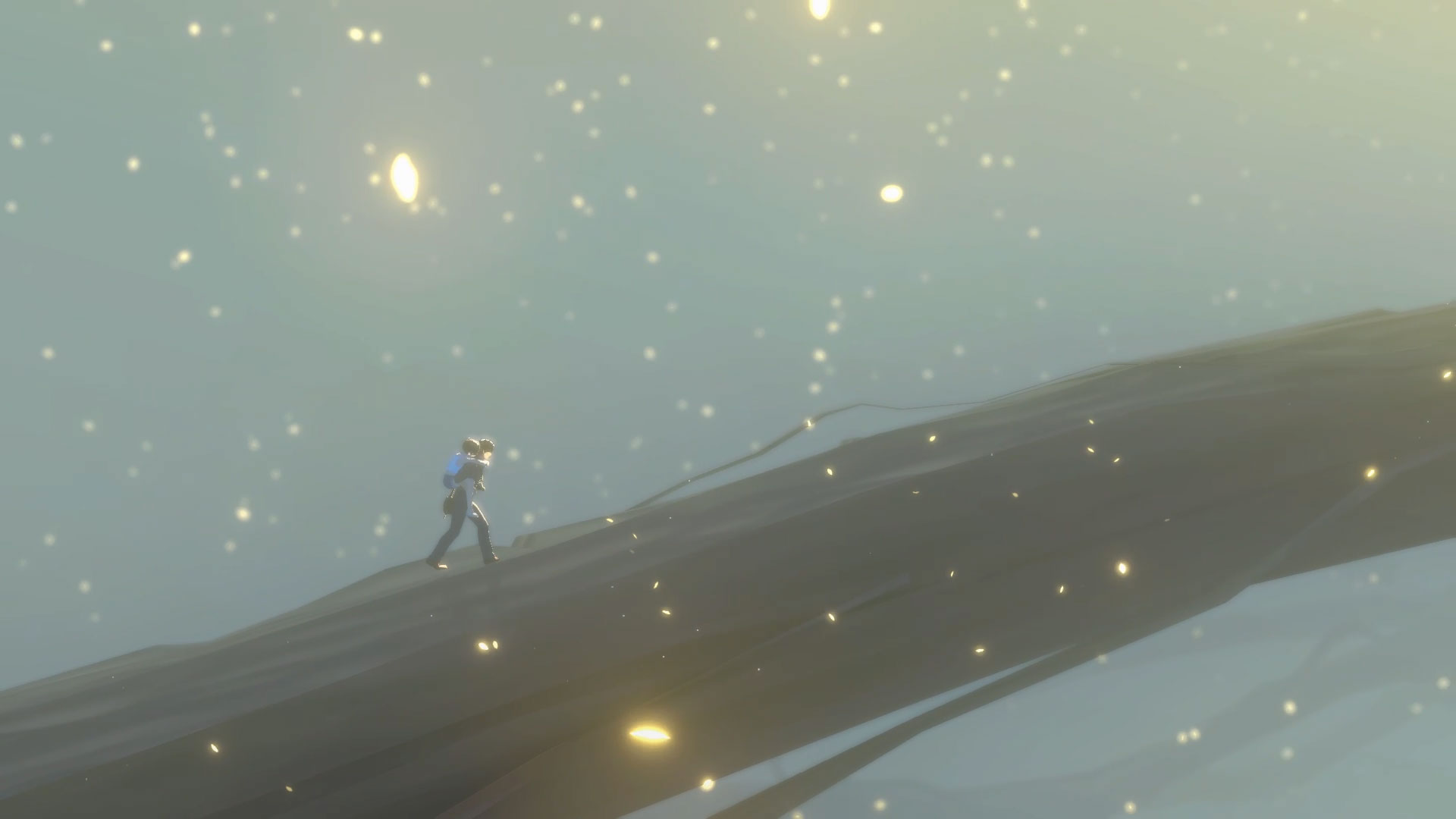
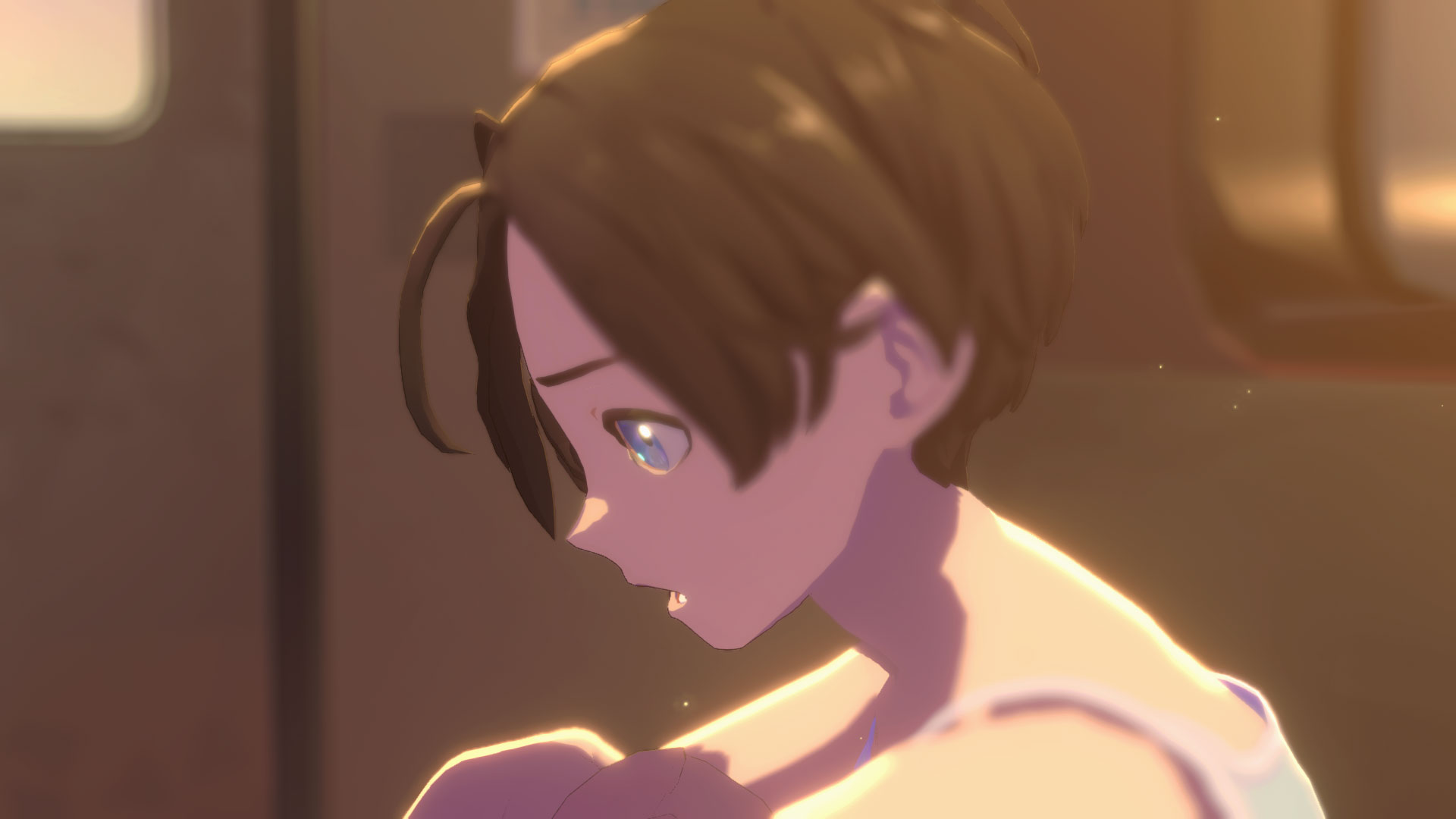
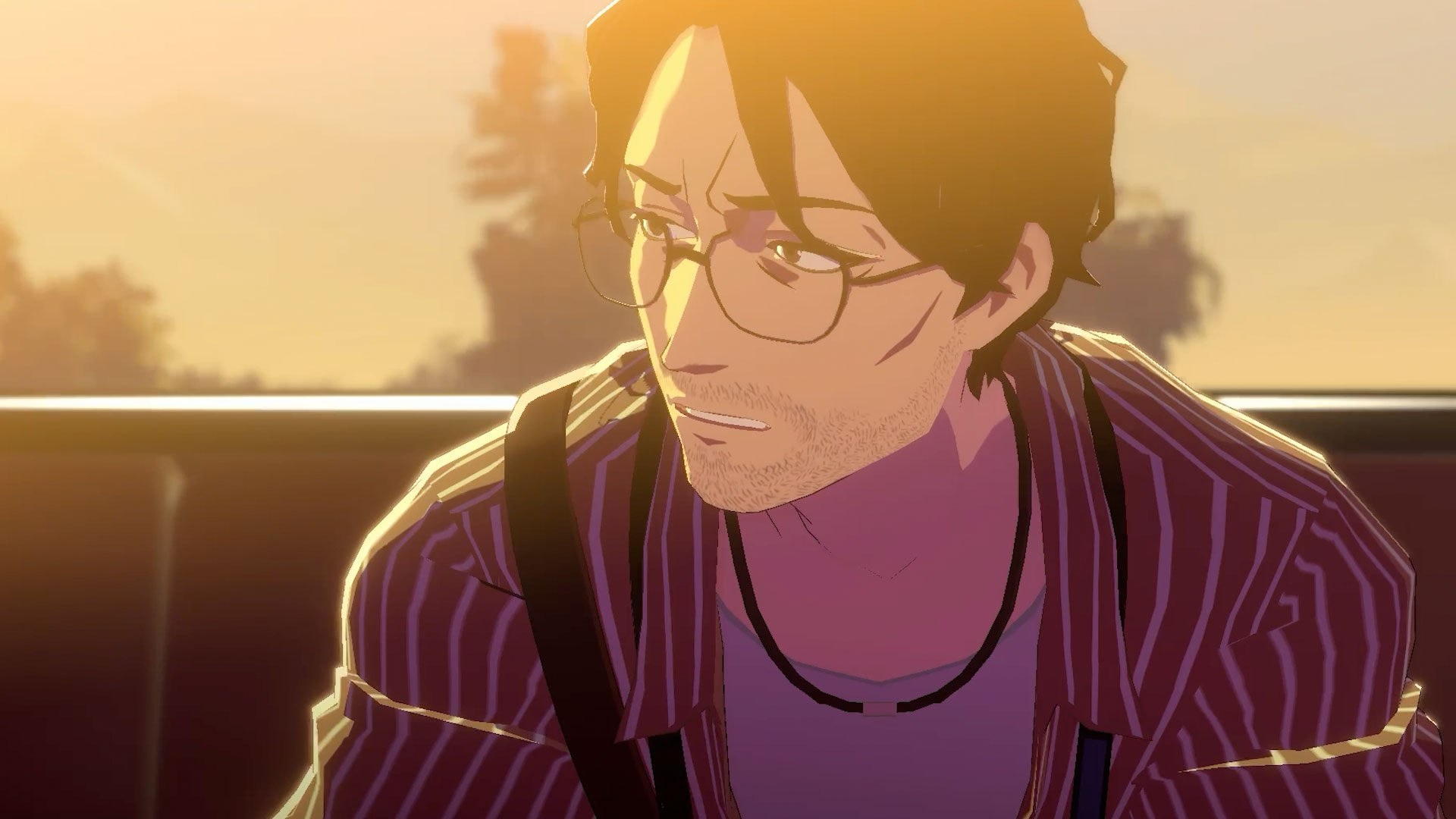
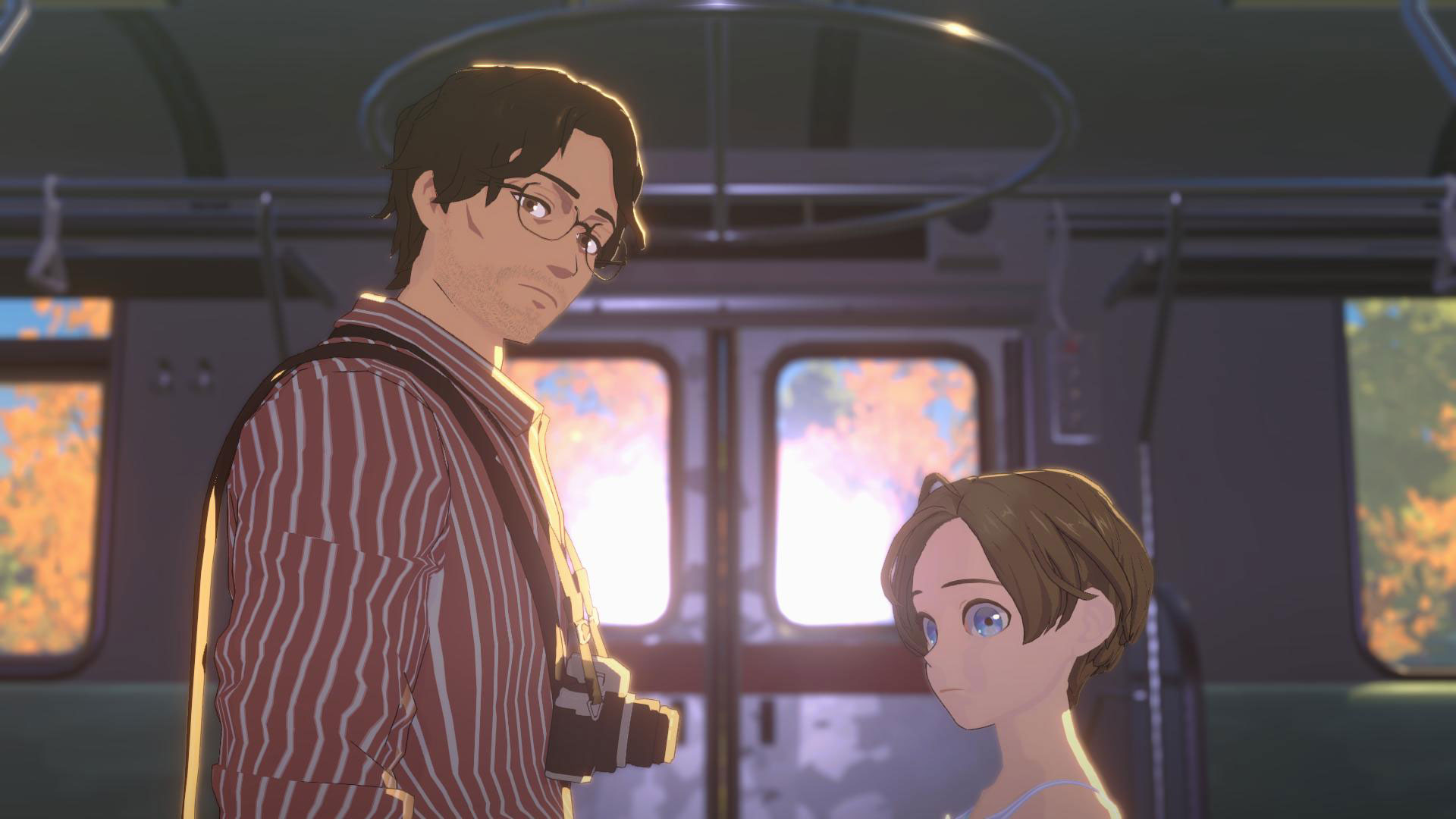
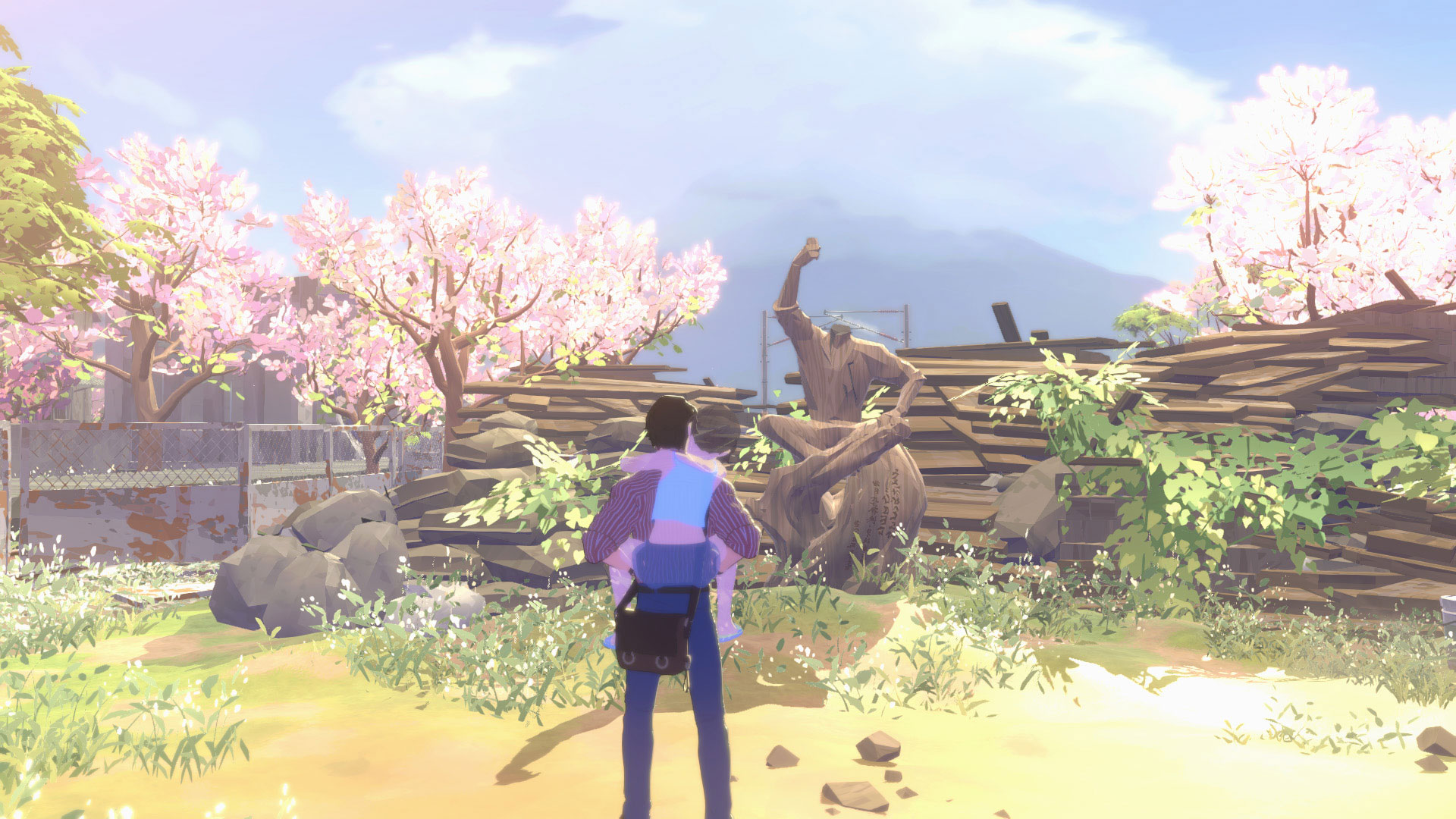
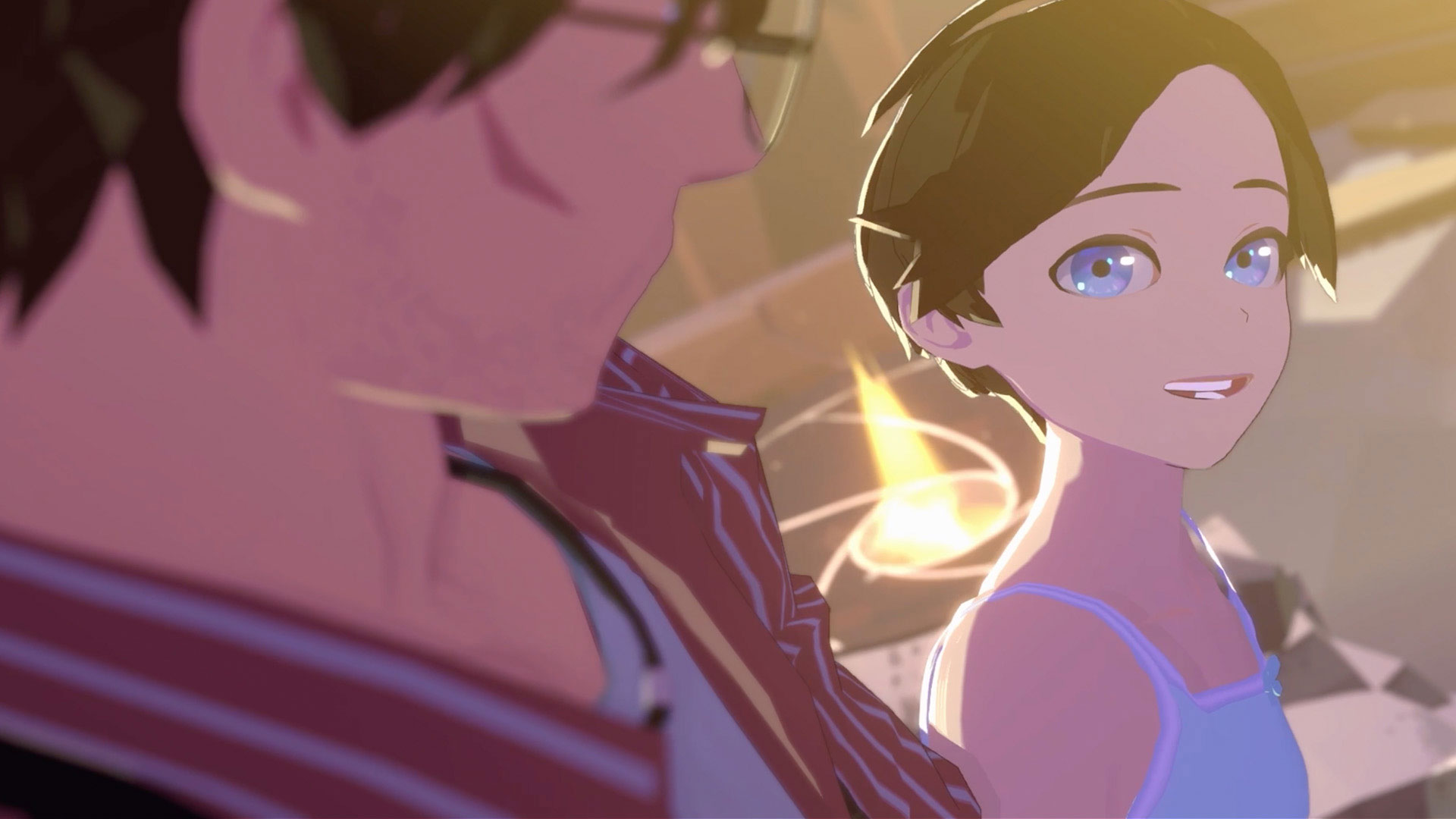
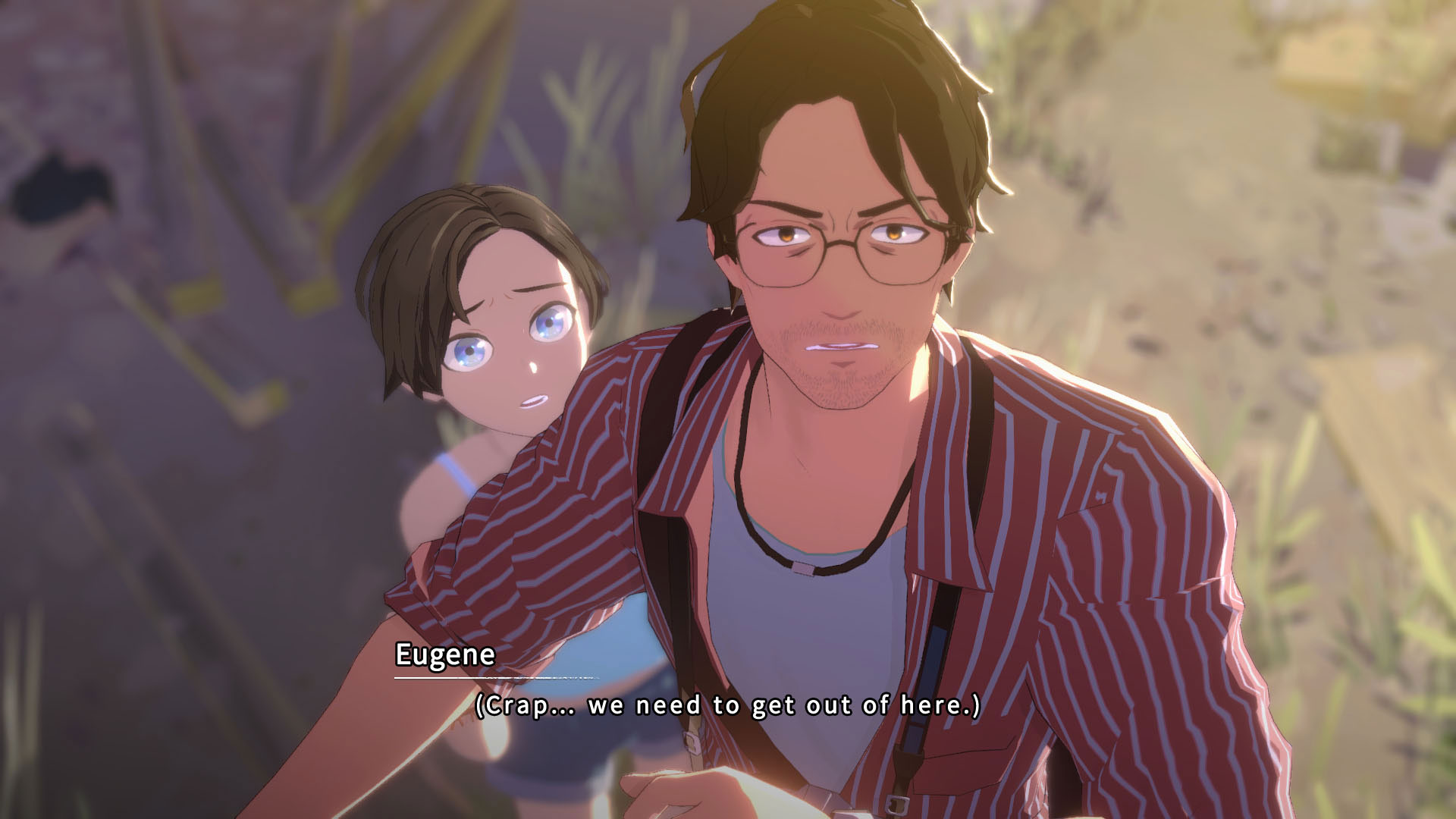
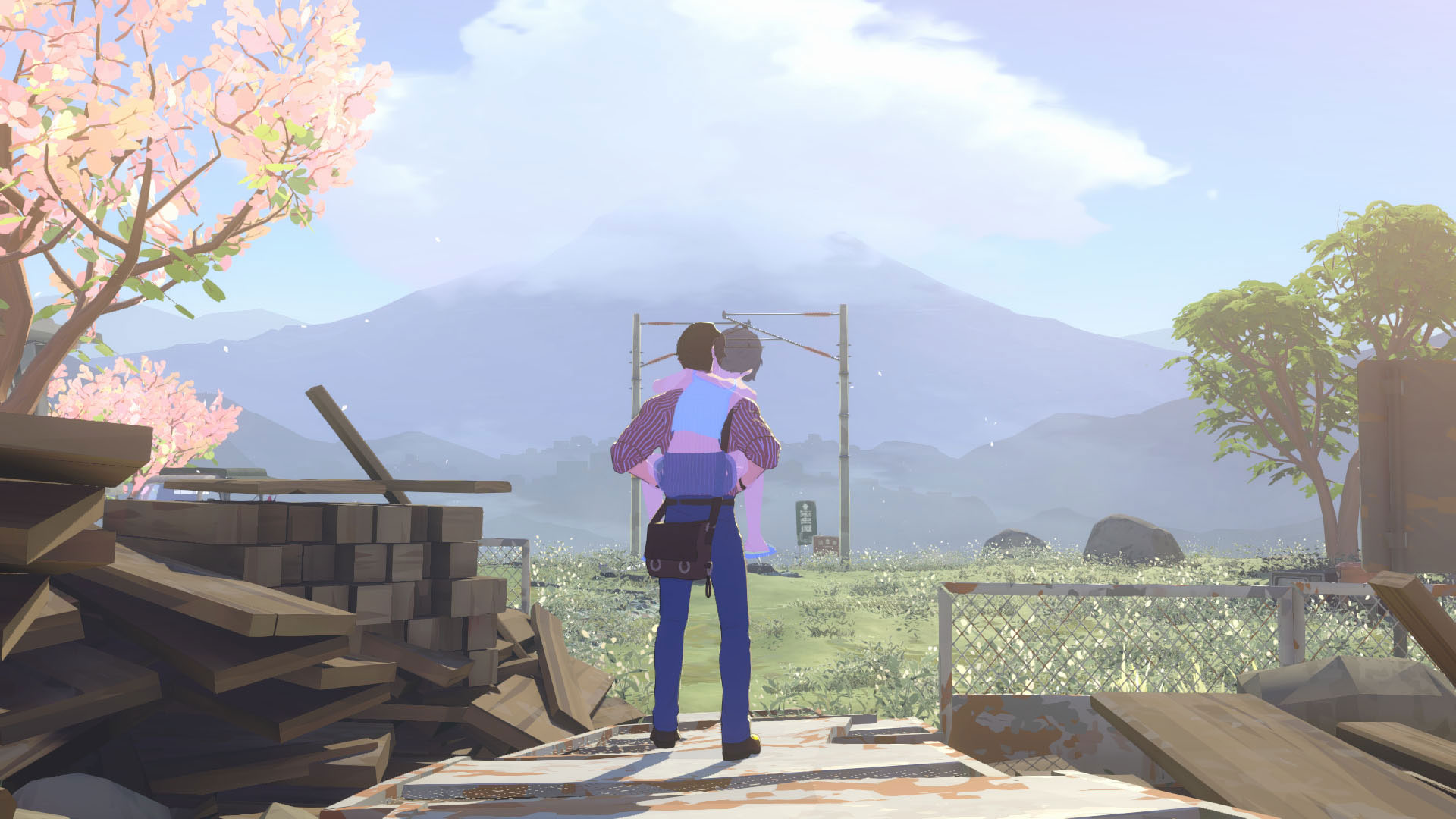
You play as Eugene, a middle-aged struggling photographer who has lost himself in a dreamlike, mysterious realm after a sudden car accident. There he meets a young girl named Ren who’s lost and trying to travel back home. Eugene aids her, and the two travel through various landscapes and anthropomorphic animals, also as spirits, that resemble Eugene’s past. Ren showcases a resemblance to Eugene due to her carefree attitude and joyful vibe. She carries a mysterious past and is physically slowly fading away due to the supernatural monstrous force known as the Shade, which is constantly trying to seize her. To bring her back from fading, the two must travel to find the Seer, an enigmatic figure that can help wandering spirits remember who they are that prevents them from fading away forever. The bond between the two characters grows stronger as they travel, leading them home or perhaps somewhere different.
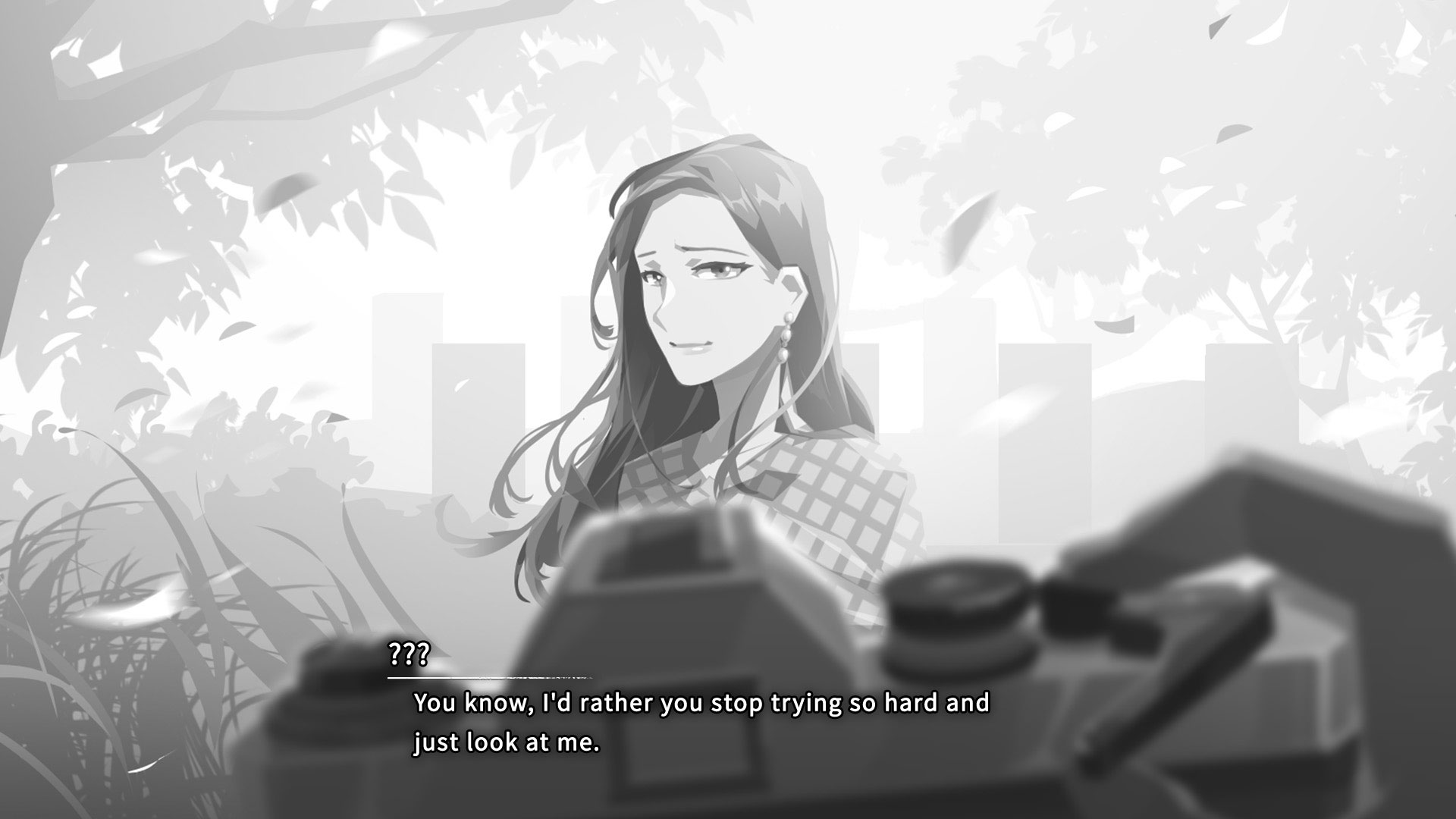
The game touches on a variety of themes such as loss, regret, and acceptance, emotions that Eugene has experienced since childhood. It’s a story about his emotional past that leads up to the accident in various pieces throughout your travels, not necessarily in time-based order. The closer you are at the end of the game, more emotions of his past surface and begin to feel sorry for what he’s gone through. OPUS: Prism Peak is one of the most emotionally engaging games I’ve ever played, and for those looking for a strong, emotional storyline, this one delivers.
You’re a Professional
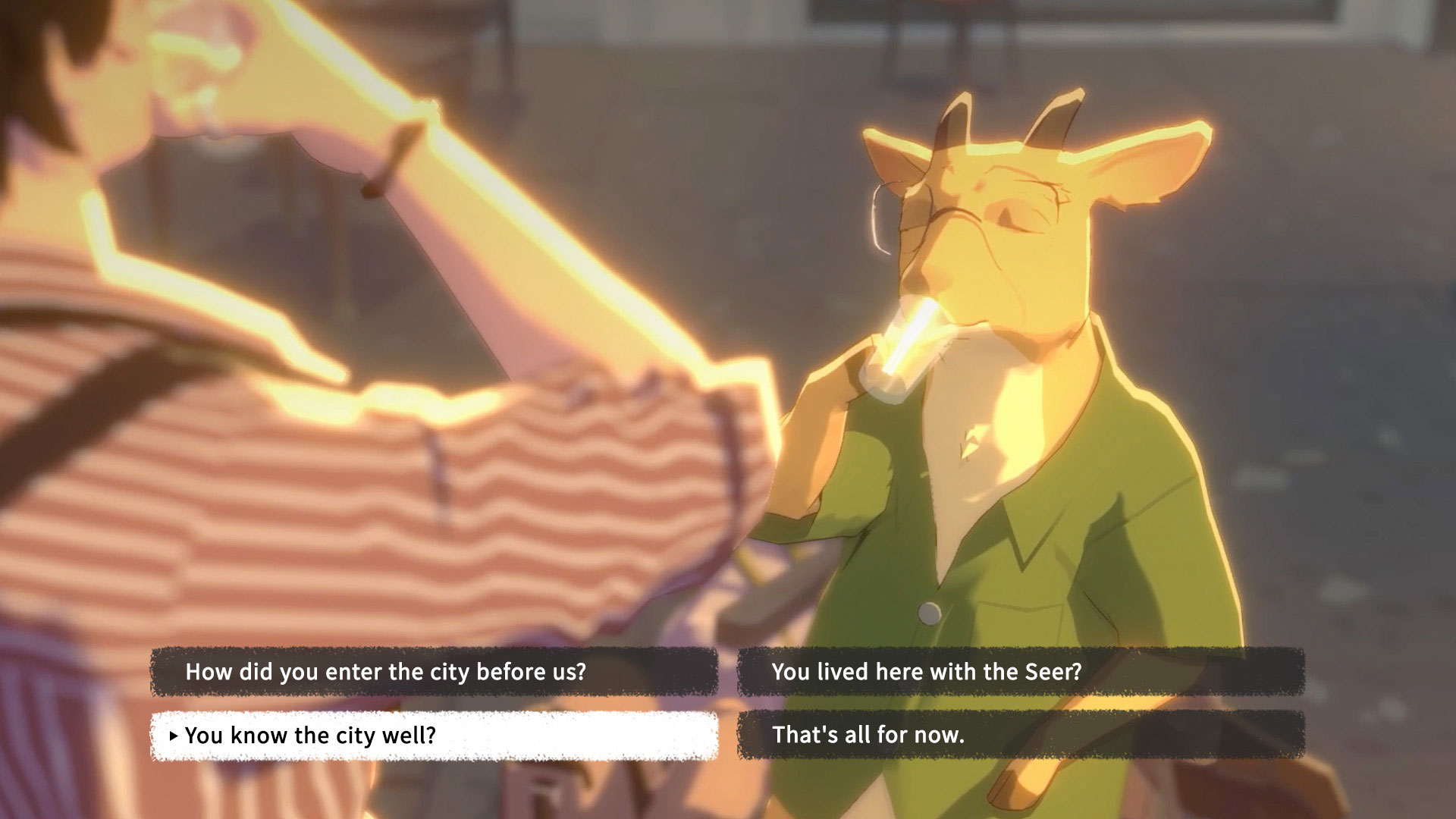
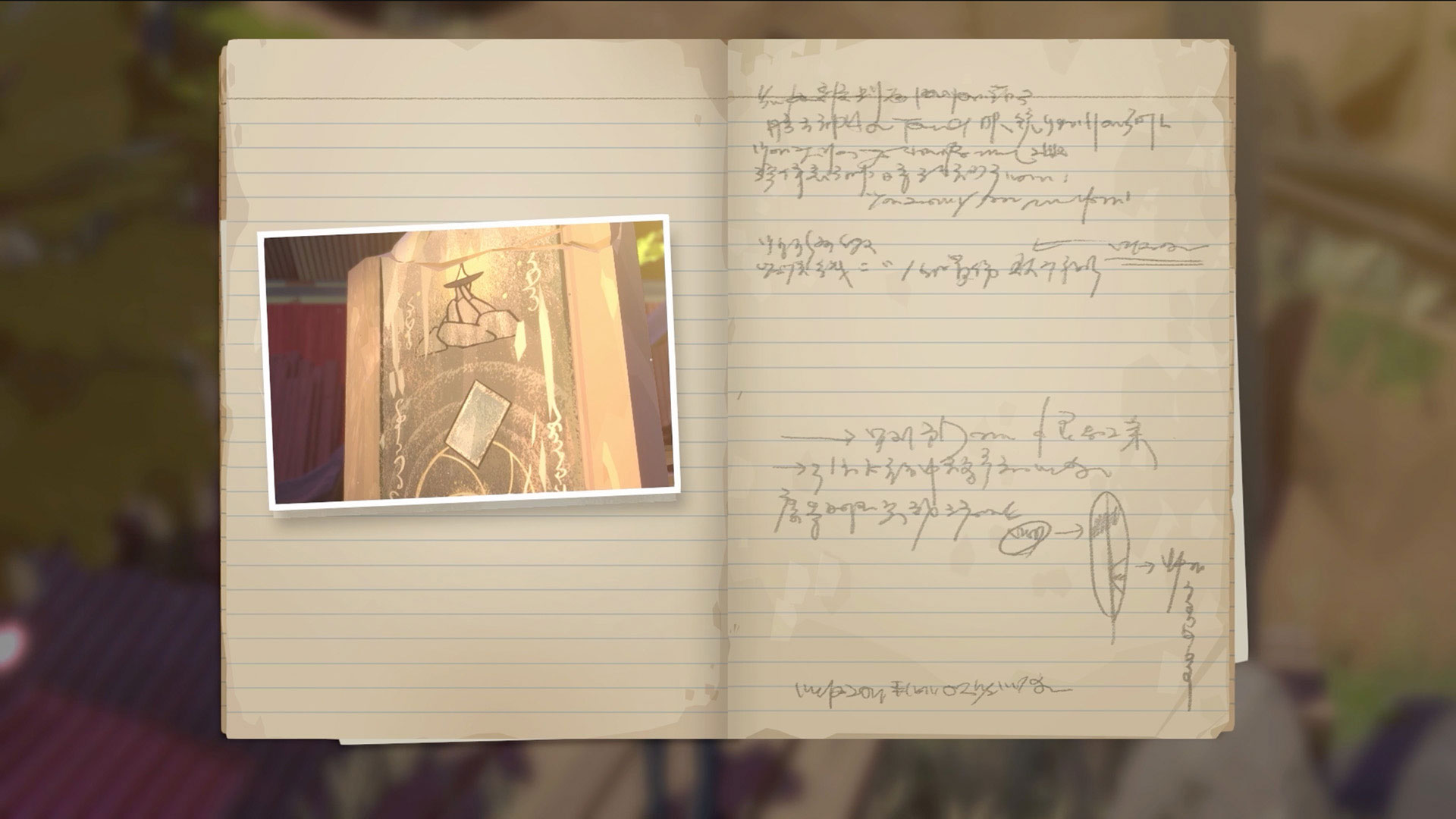
The colorful indie game features action moments, mostly during the escape scenarios from the Shade. Outside of those moments, it’s a slower-paced adventure that allows players to take their time exploring. Similar to point-and-click adventure games, paths are linear and contained but provide enough entertainment for players. Players will walk around to interact with key spots using their camera, a unique gameplay element in the game. Many of these spots can be missed as the game does not allow players to return to them after key moments. Manual saves are not available… yet. The development team announced that new quality of life features will be added to allow players to create manually saves instead of relying on the game’s autosaves that occur after events. Warning signs will also be included to alert users when they are leaving areas that are not returnable. After completing the game, players can go back to specific chapters to find artifacts and other key pieces to fill their notebook. Additionally you can re-interact with the spirits to help choose the correct answer to increase your scores in your notebook.
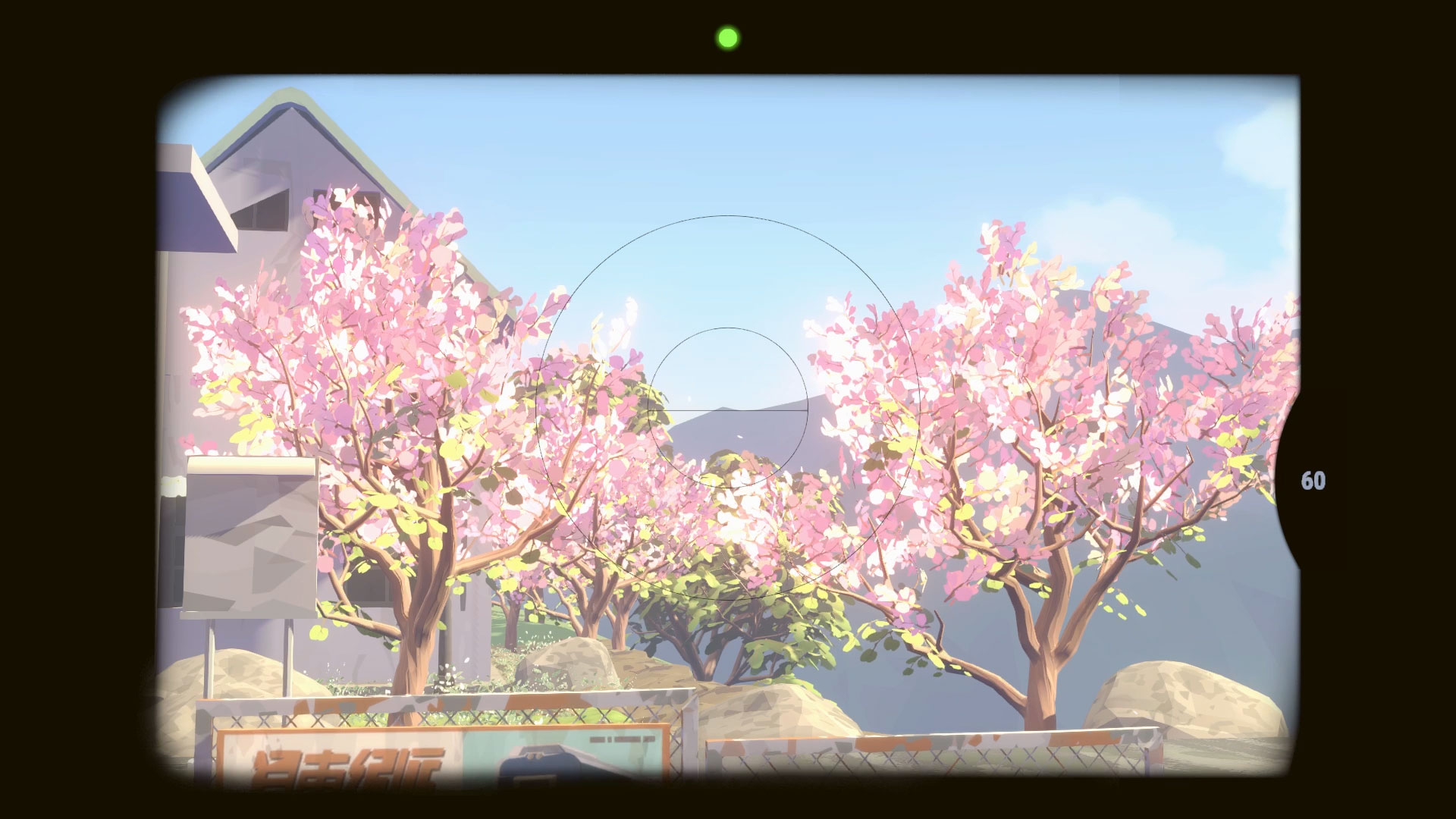
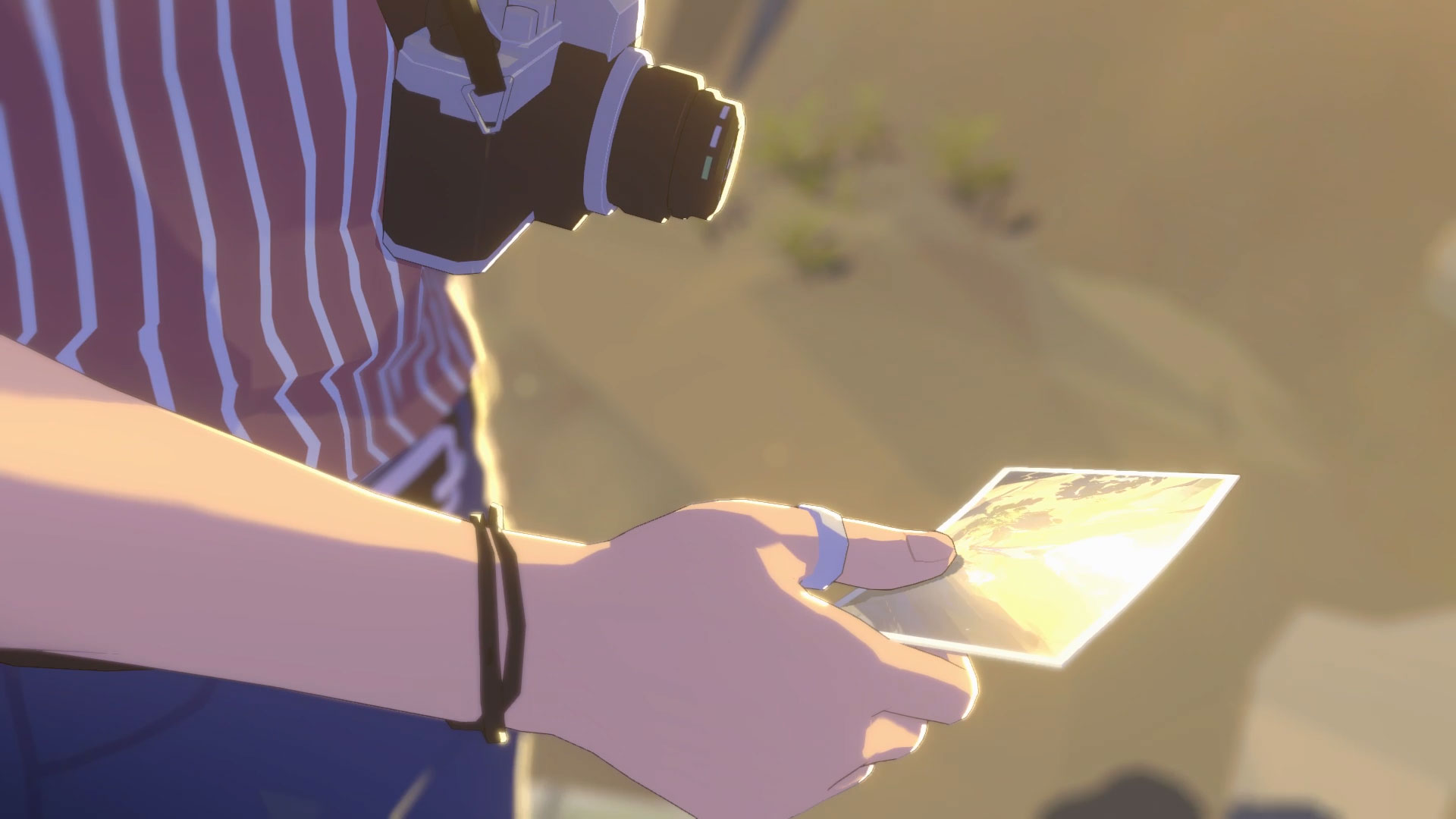
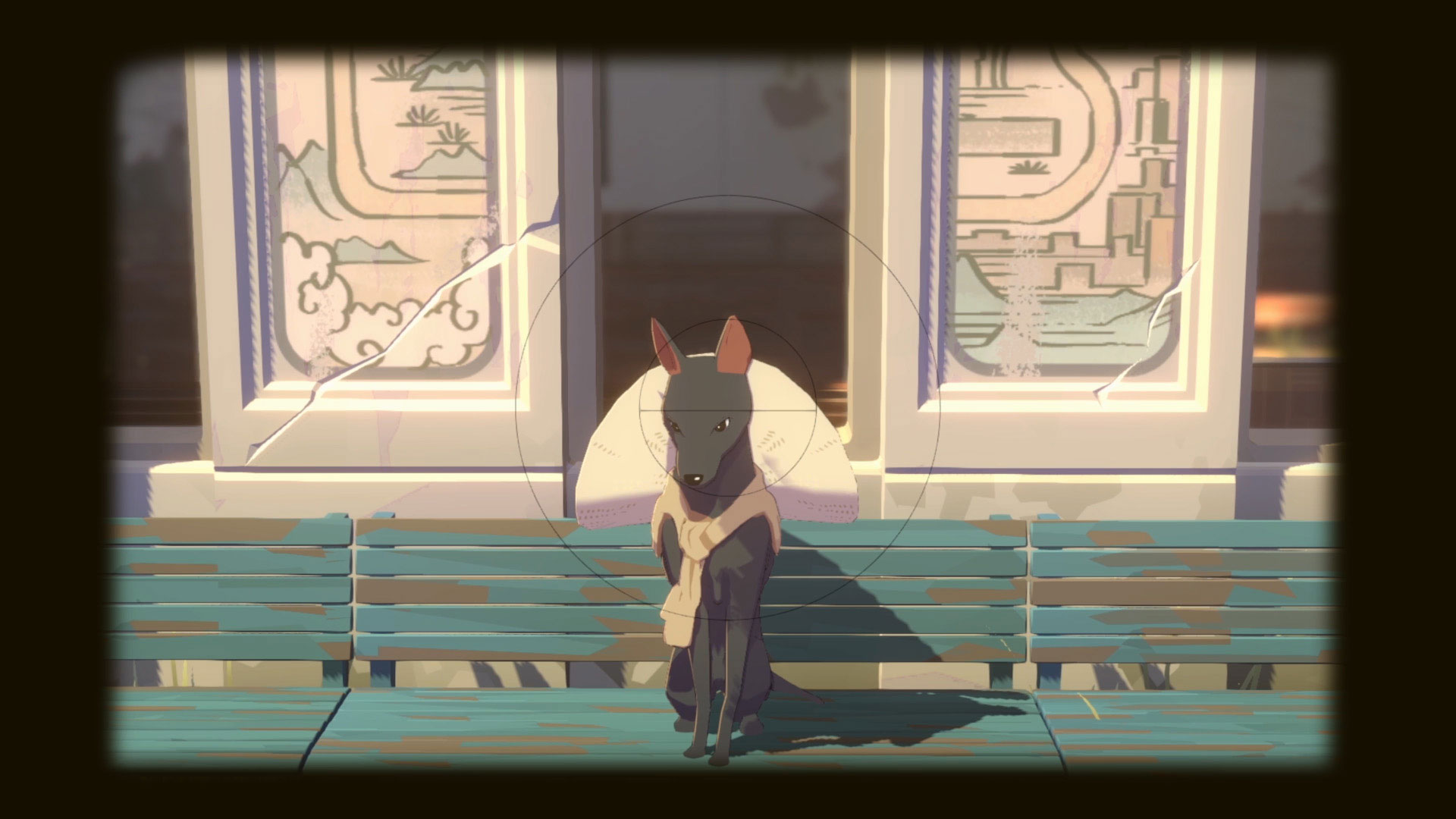
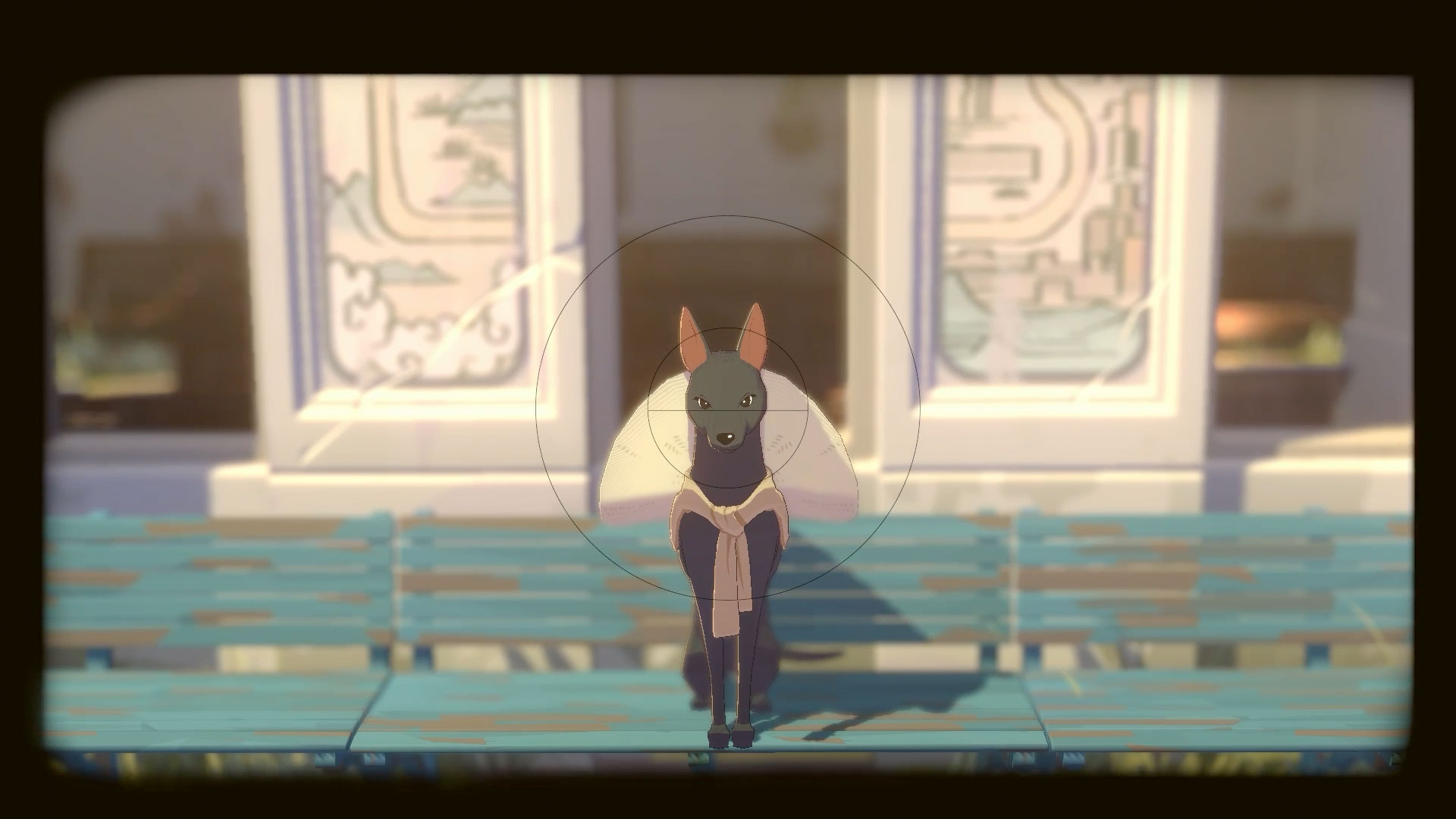
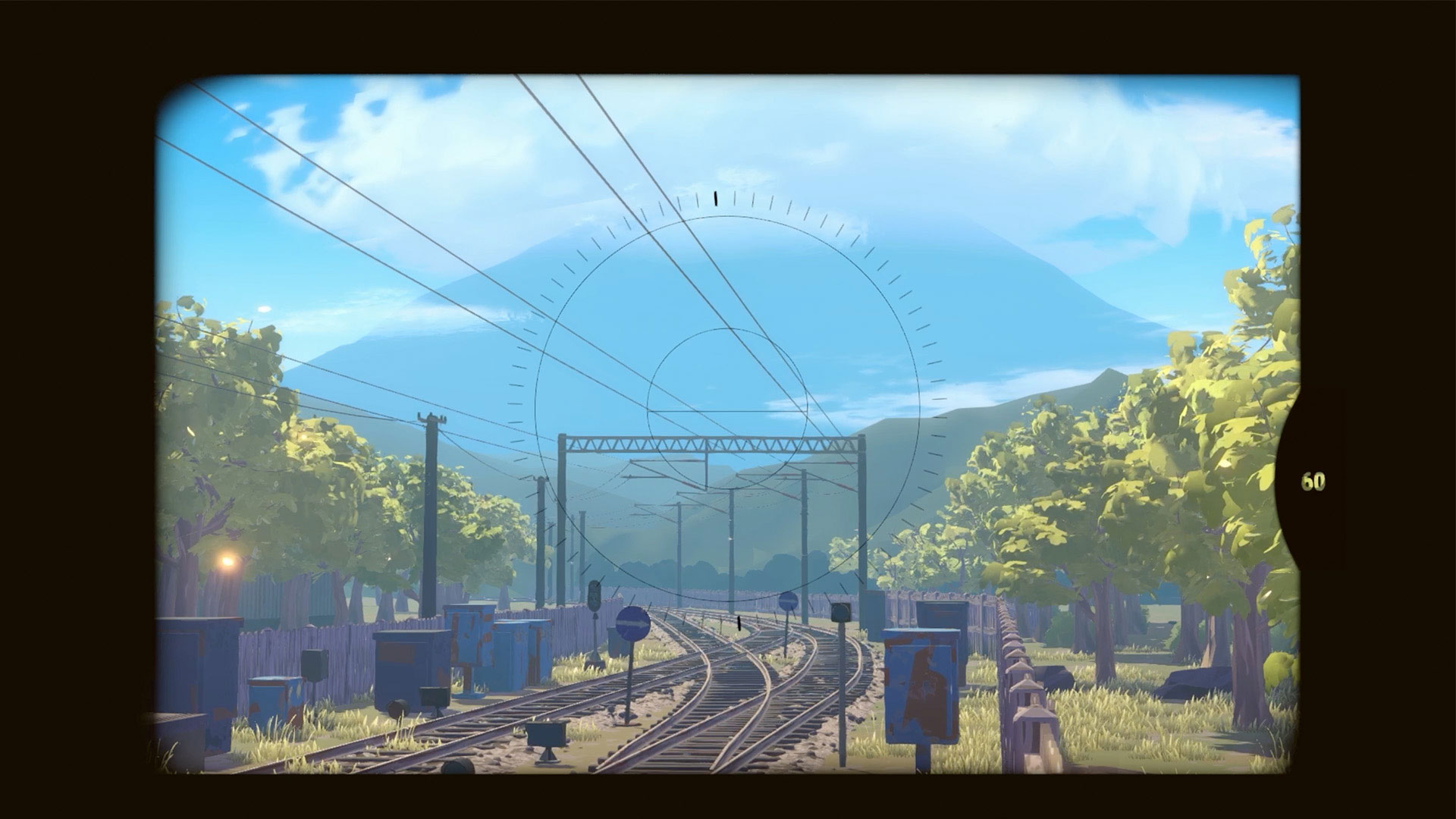
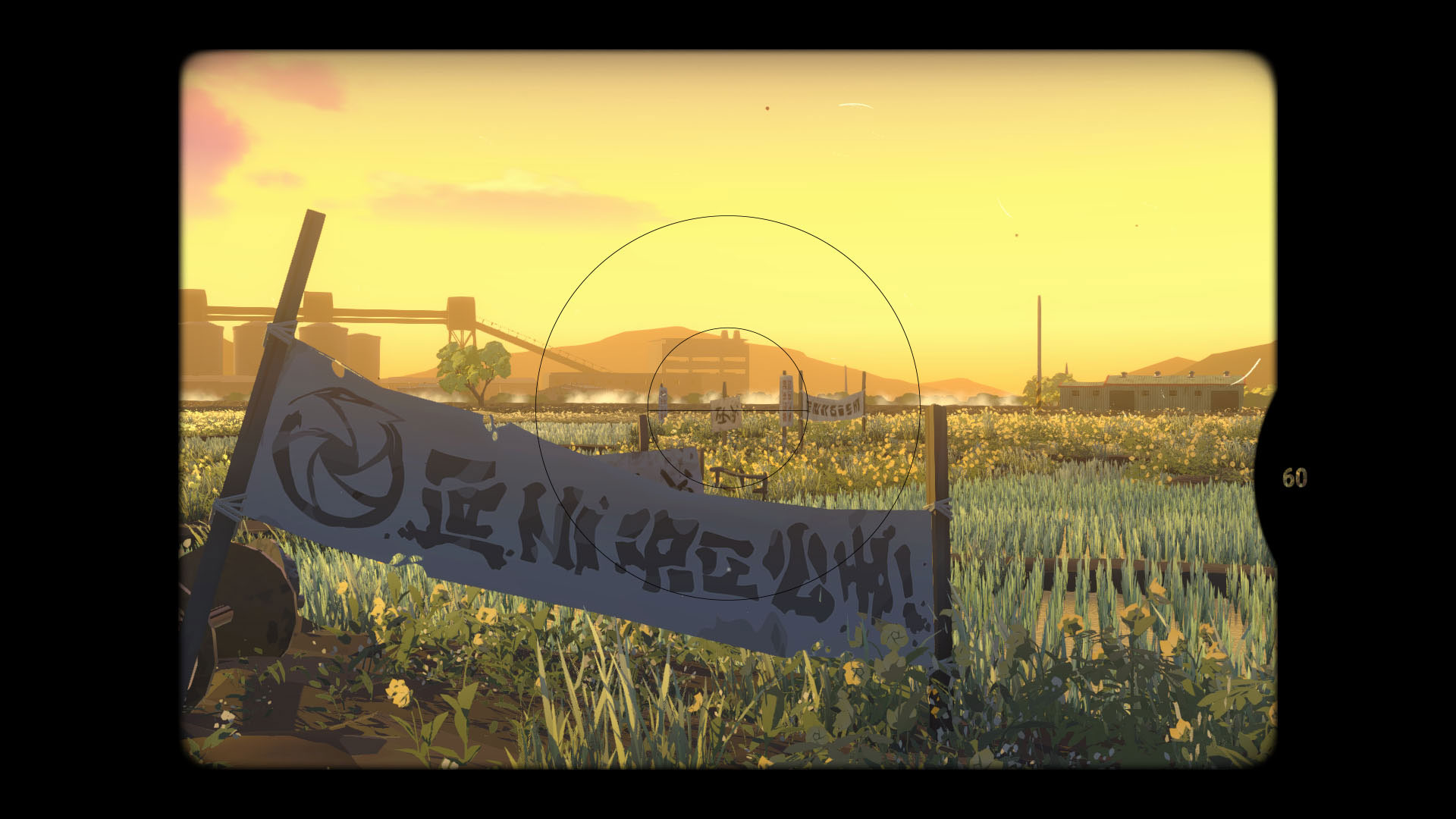
The camera is the most valuable item in the game, creating interactive moments and holding the key to unlocking new paths and uncovering pieces to solve the game’s story. Functioning the camera is very simple and you don’t need to be a photographer to understand it. Bring up the camera with a tap on the button, capture with the same button. This works for most of the game but players will have the ability to upgrade your camera such as manual focus on objects and adjust shutter speeds that’ll help when trying to take photos in low lighted areas. Players will also notice the camera lens will become dirty over time, which you can get away with for an extended period of time but will need a cleaning kit to get a clearer view of the object you want to take a photo of.
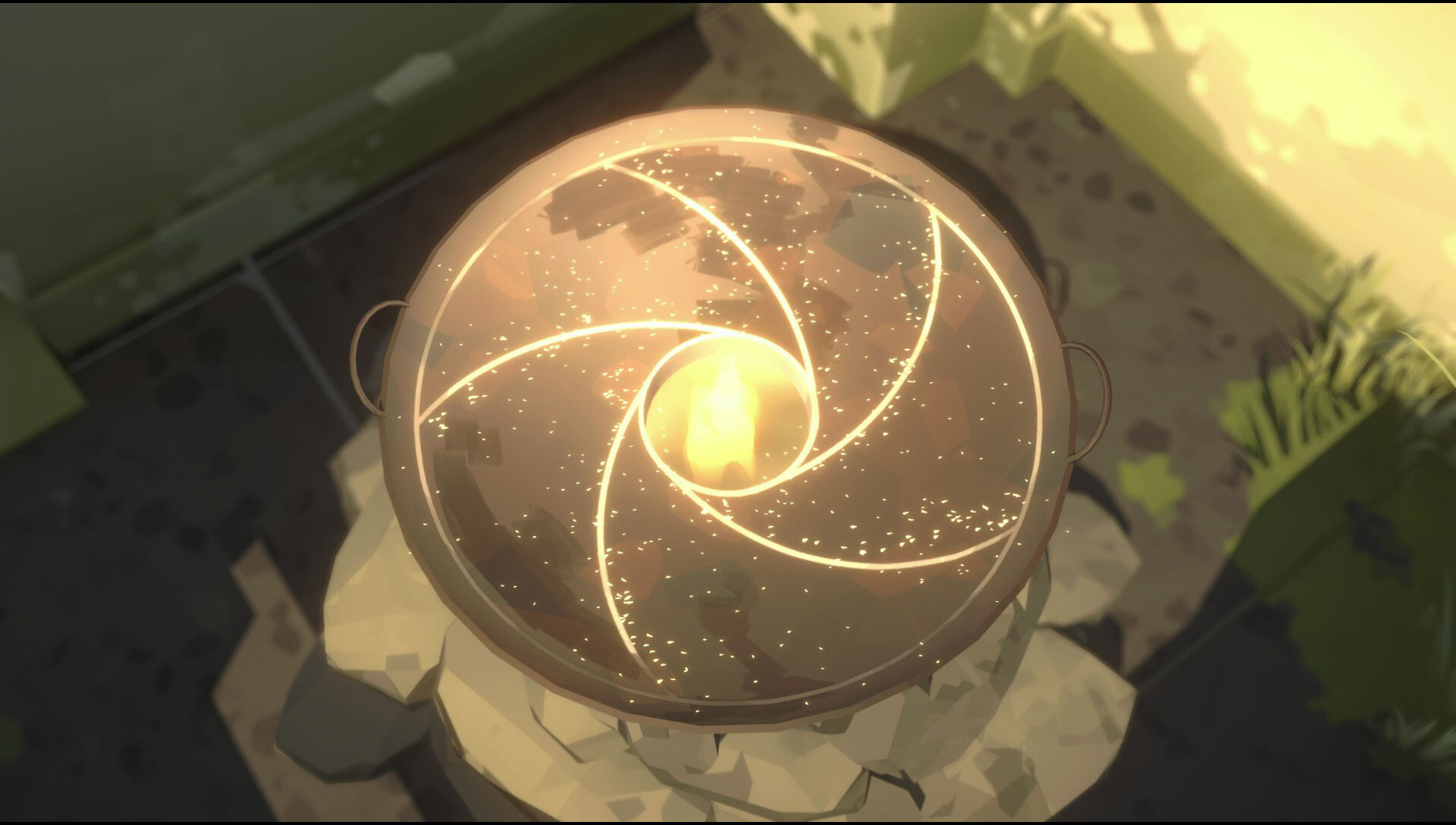
Camera upgrades, cleaning kits, filter lens, album sheets, and other items are rewarded when throwing in seeds into the Sacred Firebowl. These bowls are found at every area through the game. Seeds are given when you interact with a key spot for the first time. Players will have an album to carry their photos. Key moment pictures don’t take up your album sheets, leaving you slots to take photos at your leisure. It doesn’t matter how you take the photos or what kind of colorized lens you want to use, the game does not score you based on the quality of shot just as long the photo is focused and has the right amount of light to tell what is in the photo.
Most filters are for fun, but one filter helps uncover markings on walls and stones. One feature I wish the camera carried is the ability to zoom. I couldn’t tell you how many times I had to adjust Eugene to either get close enough or further away to take a photo of a specific object. Ren will get in the way at first glance but she is transparent through the camera lens. This is intentional with the game’s story. If you equip her with a backpack, the backpack will appear in the camera so players should take note if they don’t want a floating backpack photo bombing their shot.
Picture Perfect
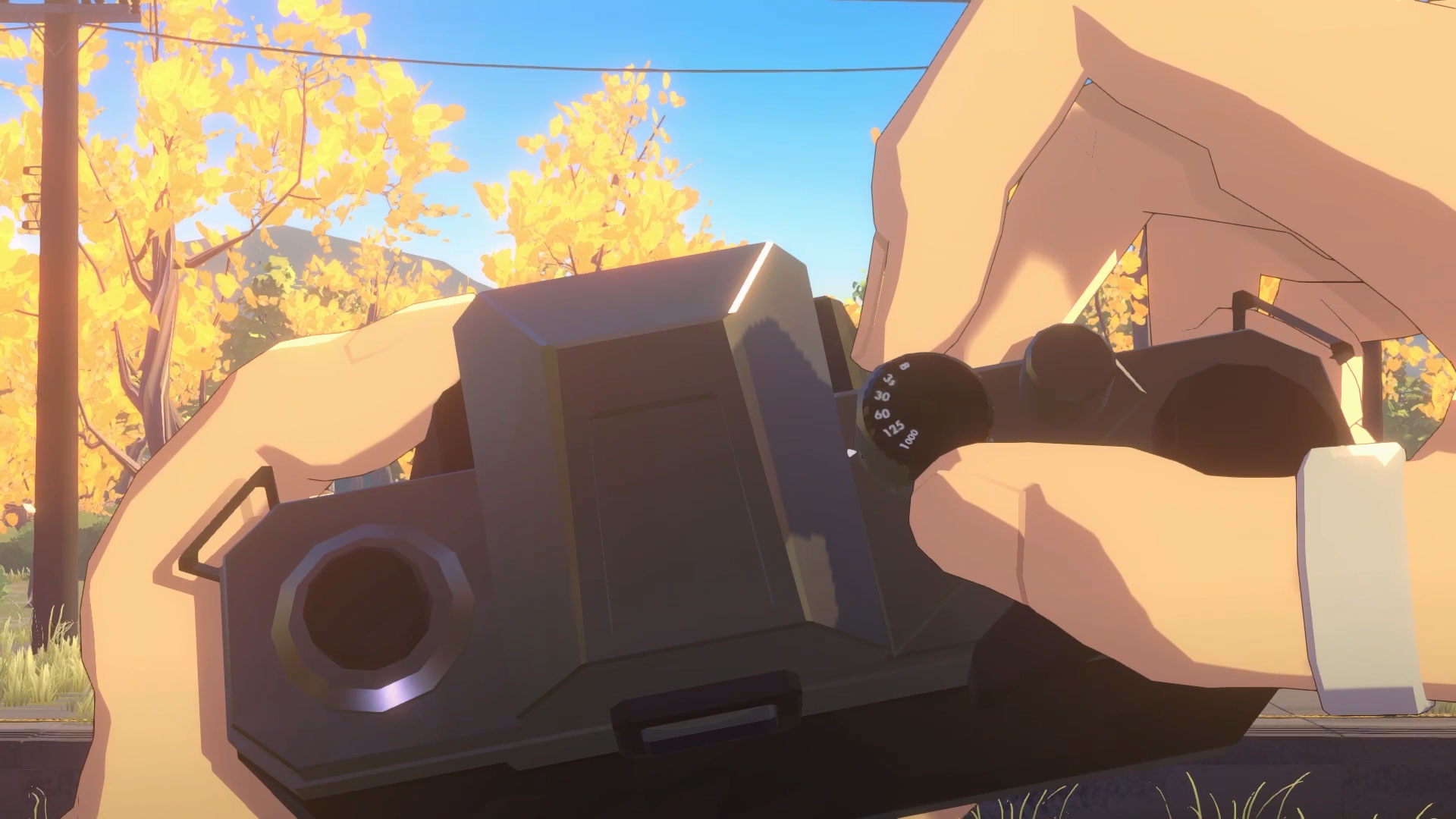
The camera is a fun mechanic that’s used in various ways throughout the game. In the fast-paced scenes where the Shade attacks, players will need to use their camera to dissolve it. This requires precise moments to take the photo when the Shade opens its mouth but it’s a small moment and can become frustrating if players aren’t focused themselves. With the autosave, the game will reload moments before the incident. However, the drawback I’ve noticed playing on the Nintendo Switch 2 is the loading times. Having to retry scenes multiple times, I was more annoyed with the loading than the battle against the Shade. The framerate itself noticeably drops as you travel from each different scene or when watching cutscenes. The ending’s cutscene, while very beautiful, stuttered and I wish I could have seen it in a smoother framerate. Fixing these issues could help the camera shots against the Shade and the exploration experience.
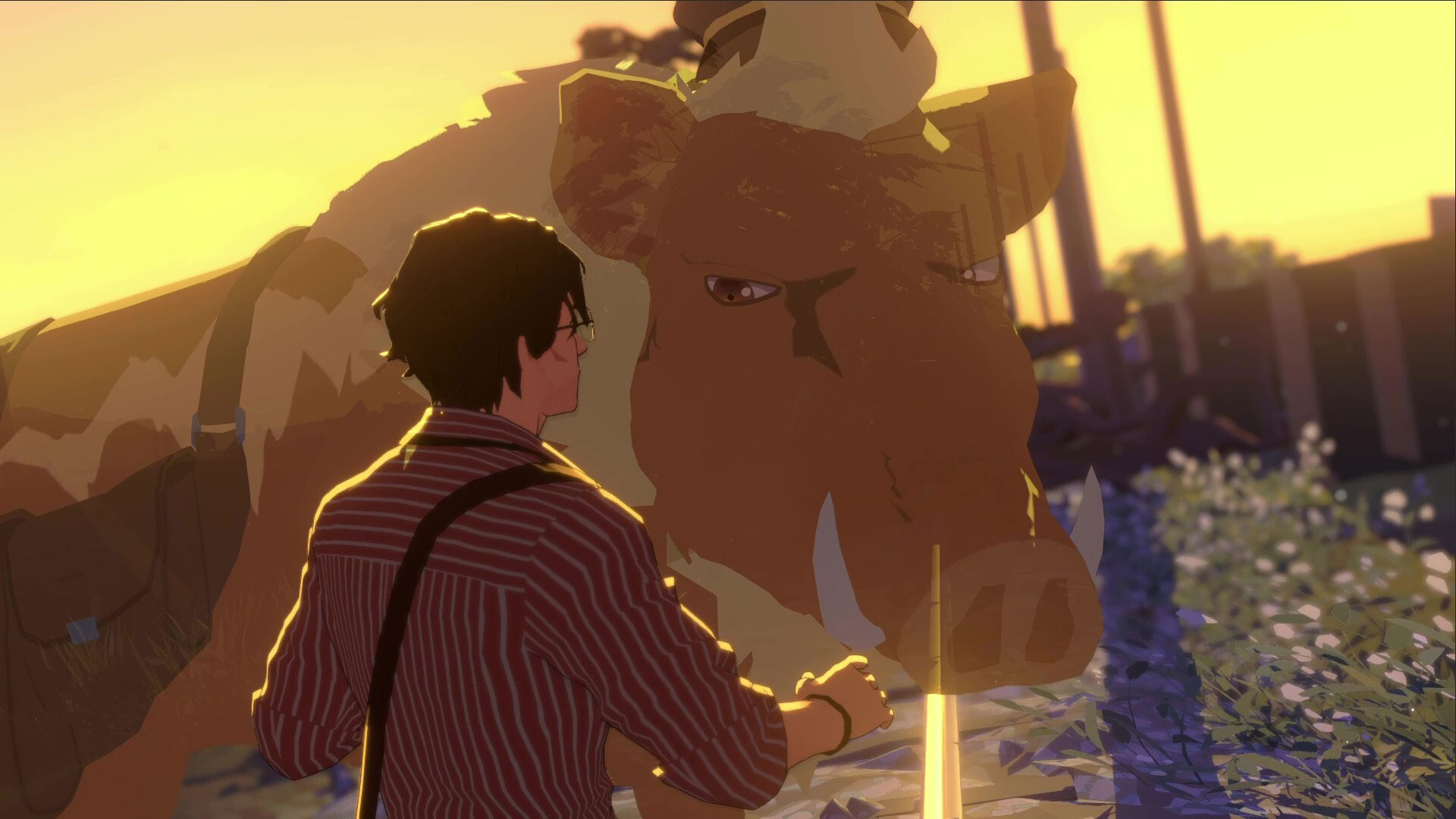
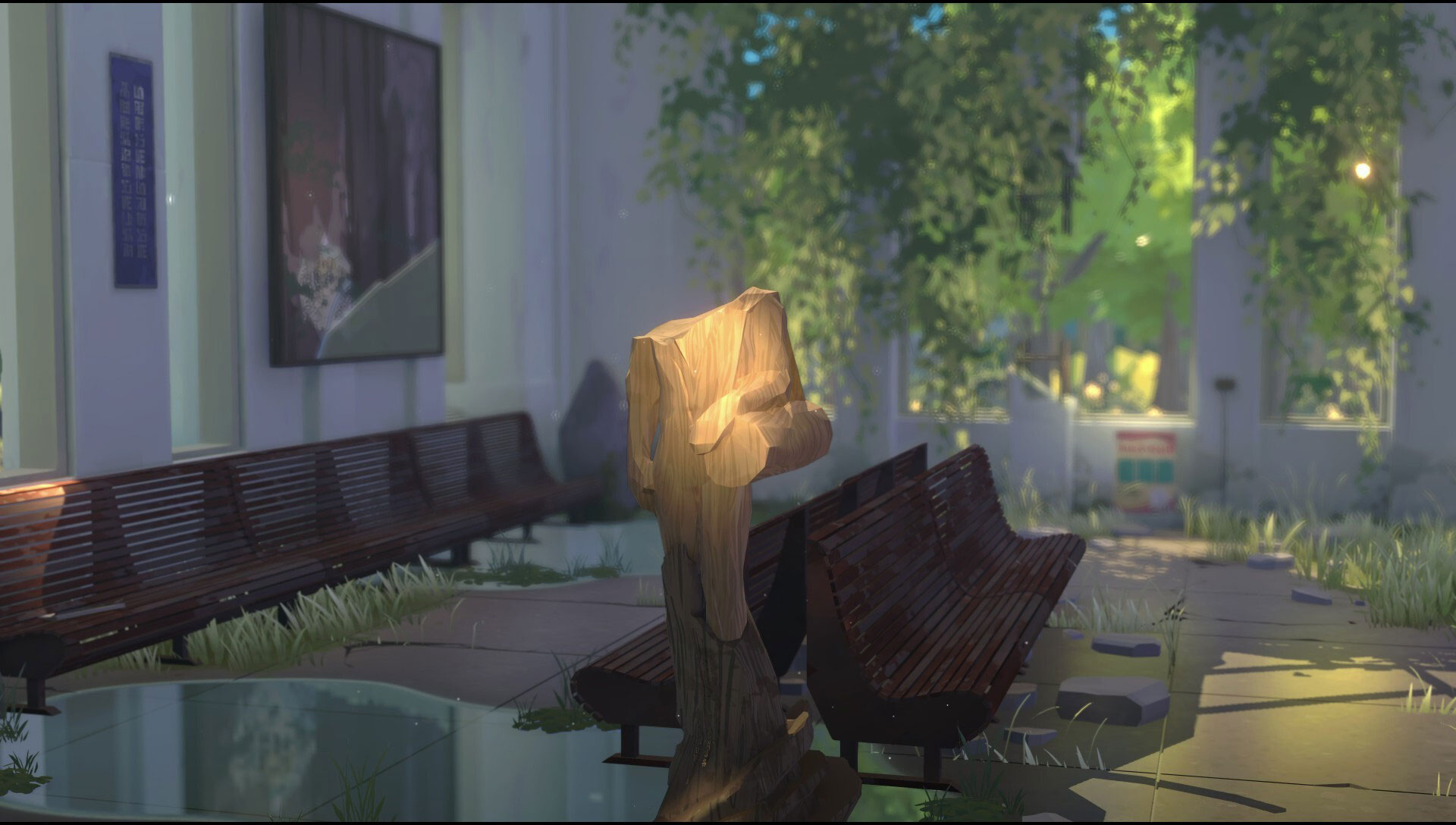
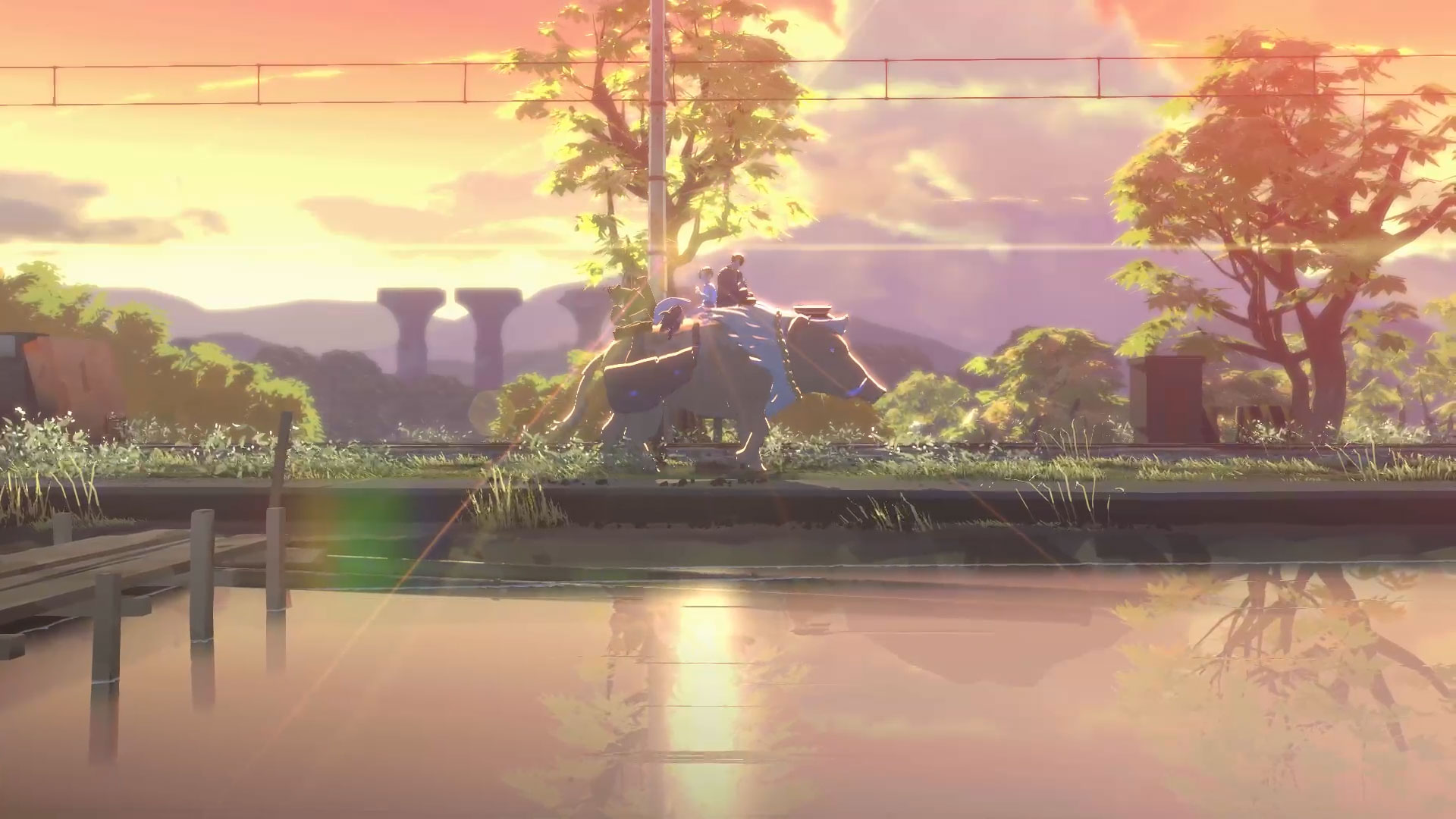
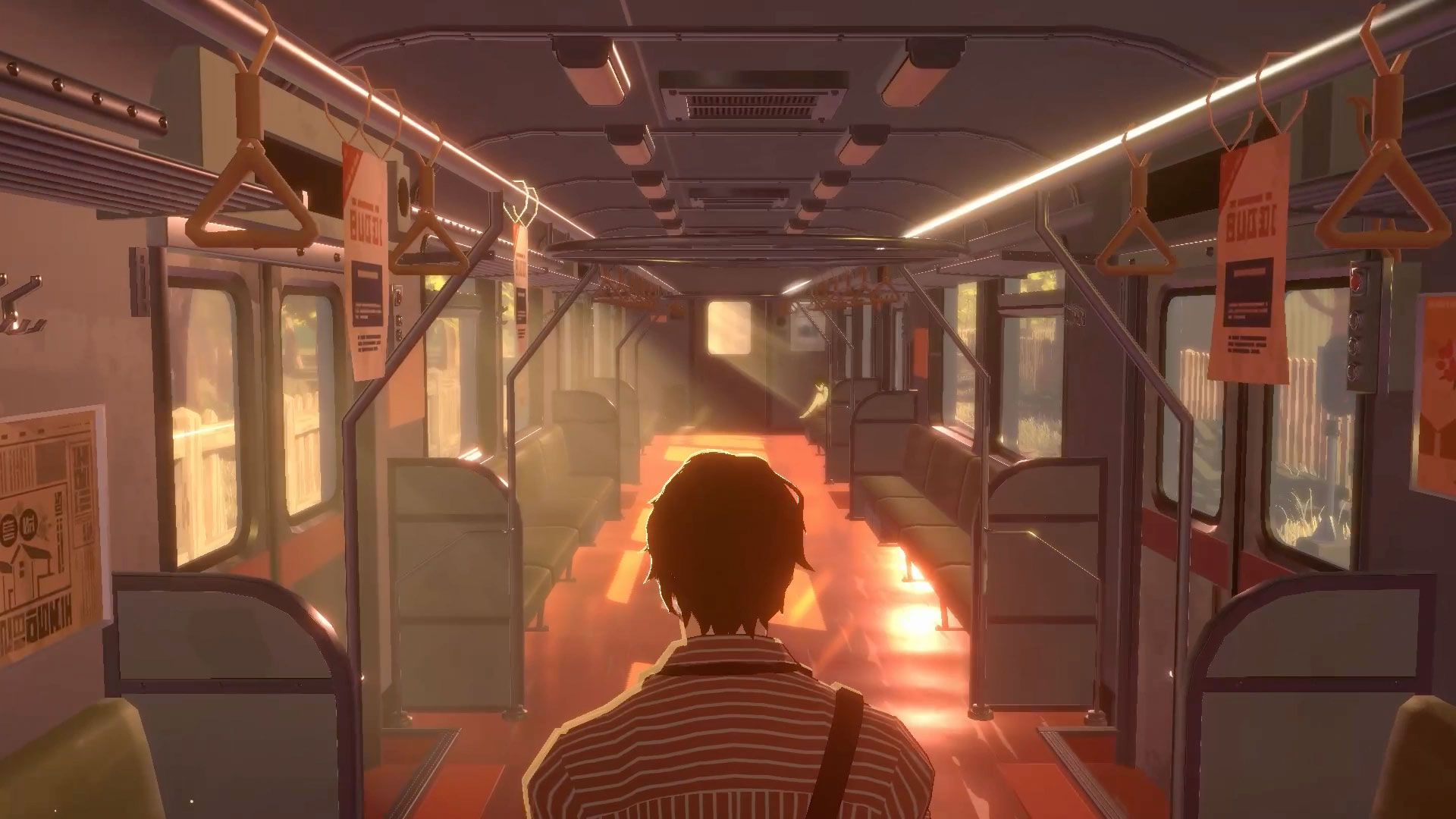
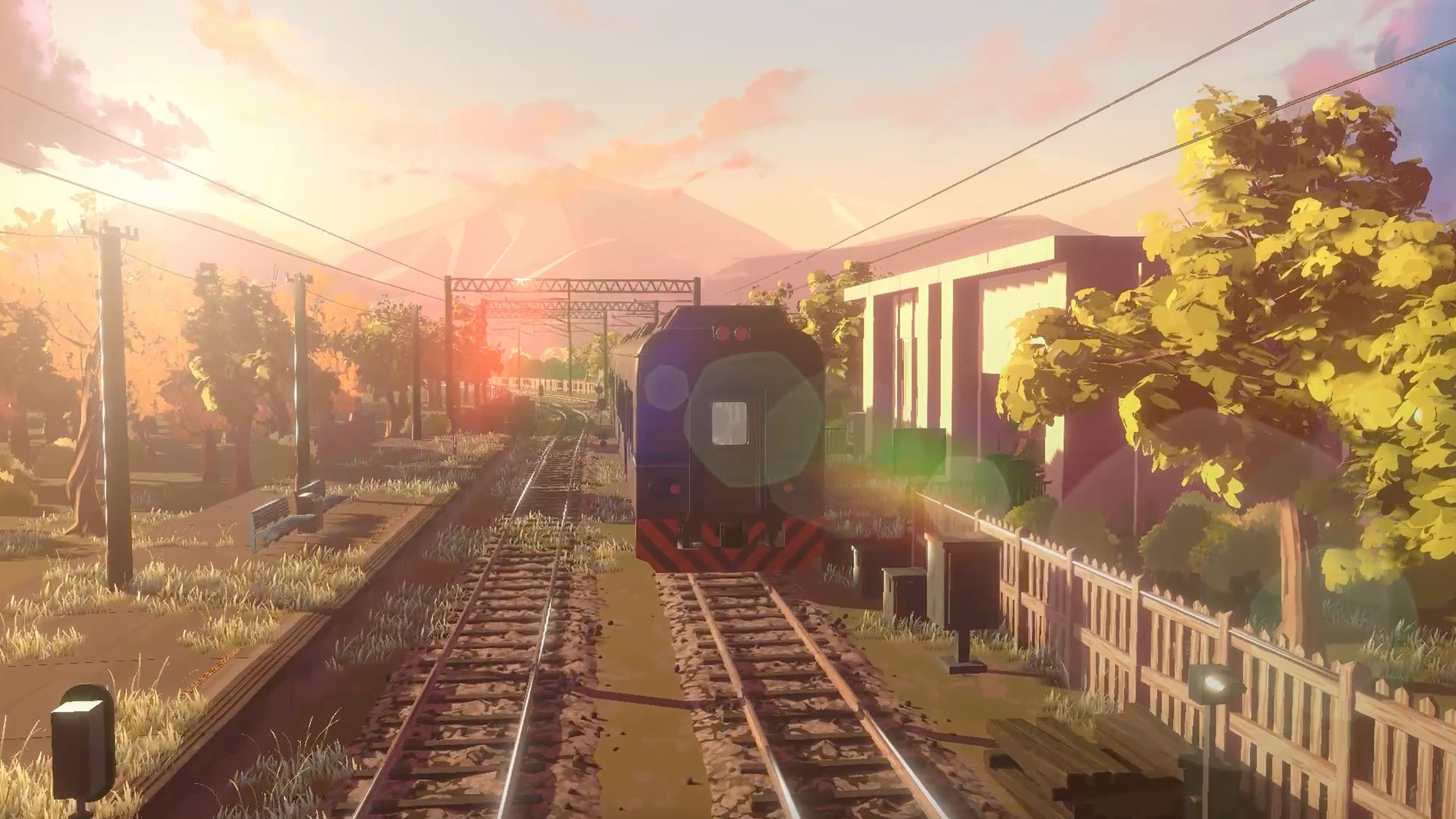
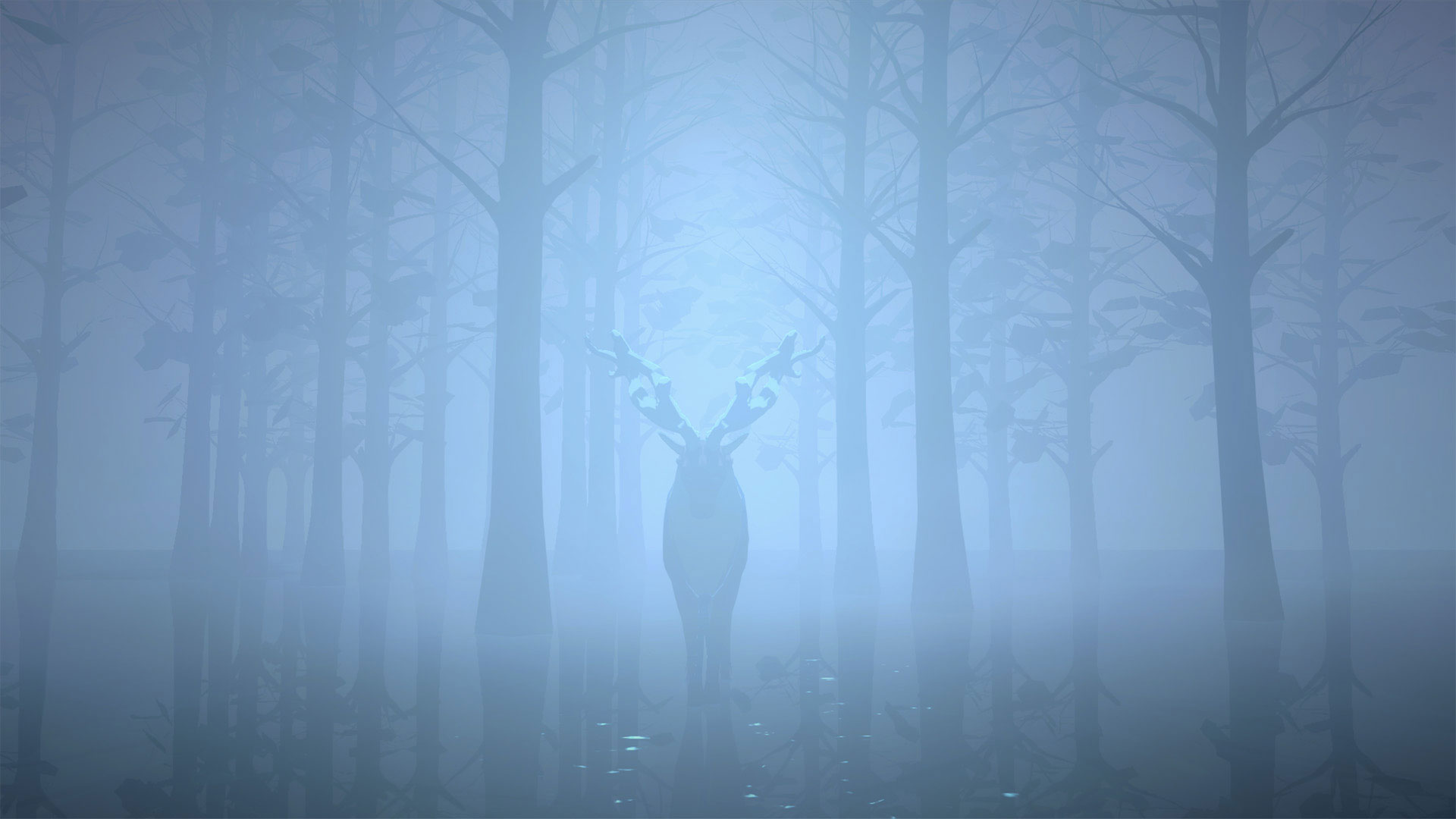
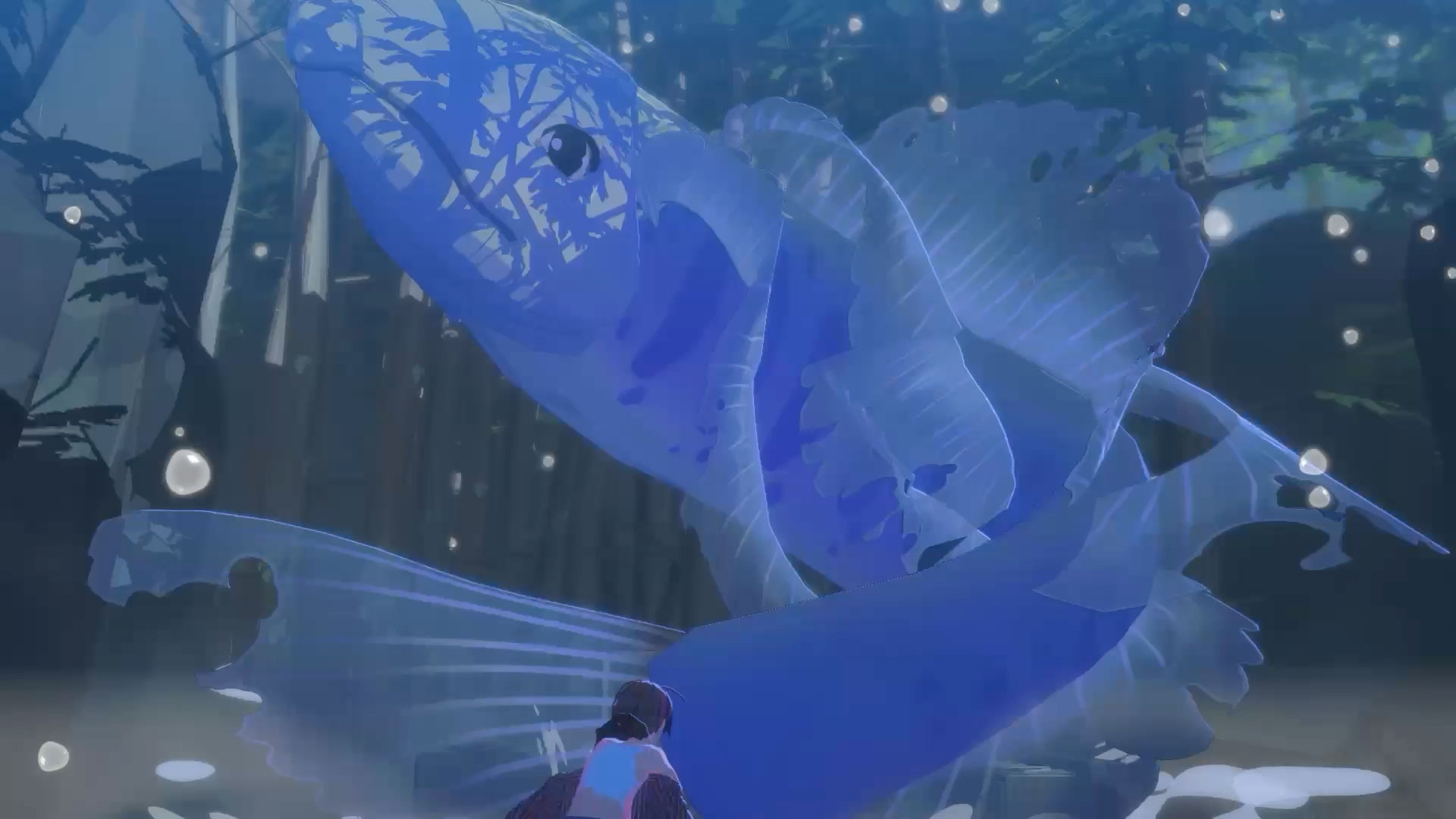
The graphics are one of the best features that makes this indie game stand out. It carries a combination of unique designs between Makoto Shinka’s art style and Studio Ghibli’s character designs. The use of luminous color palettes and dramatic lighting, especially in the nature scenes with cel-shaded effects, creating a visually stunning experience. The spirits, particularly the boar and the Shade, showcase a resemblance to Studio Ghibli’s Spirited Away, which by the way is a fantastic film. The overall artwork blends seamlessly, like watching and playing a creative film. With its emotional storyline, I would love to see this game adapt into an actual movie one day.
The game’s soundtrack carries a sweet mixture of various blends such as orchestrated, electronic, and ambient music that enhances the emotional scenes with its soothing scores. The music style complements the enchanting world of the game, with over fifty tracks to enjoy. The main theme, “I Am Farewell Itself, I Am Life,” composed by Kevin Penkin and performed by Sarah Àlainn, adds a cinematic quality to the story, the feeling of having watched an anime film. Few of these scores resembles tracks you would listen to in puzzle games like Lumines Arise.
The Final Shot
OPUS: Prism Peak is a visually picture-perfect journey with stunning visuals, heartfelt storytelling, and unique camera gameplay. Minor hiccups may blur a few moments, but they won’t stop you from taking the perfect shot.
A Nintendo Switch 2 code provided for this review. OPUS: Prism Peak is available now for the Nintendo Switch 2 and PC (Steam). Fans can visit the game’s official website for additional information and purchasing options.
Related Stories
Related Posts




Leave a Reply
Subscribe
Login
0 Comments
Oldest