4.5 out of 5
Purr!
Purrr....
- Gorgeous visuals
- Relaxing, original soundtrack
- Optional horror-free mode
- Smooth, intuitive mechanics
- Going on your pace
Hisss!
- Nighttime encounters require patience and trial and error
- Repetitive mine layouts
Platform
Switch 2, Switch, PlayStation 5, PCPublisher
NIS AmericaDeveloper
Nippon Ichi SoftwareGenre
Simulation, Survival HorrorPlayers
1Release Date (NA)
Oct 27, 2026Filed Under
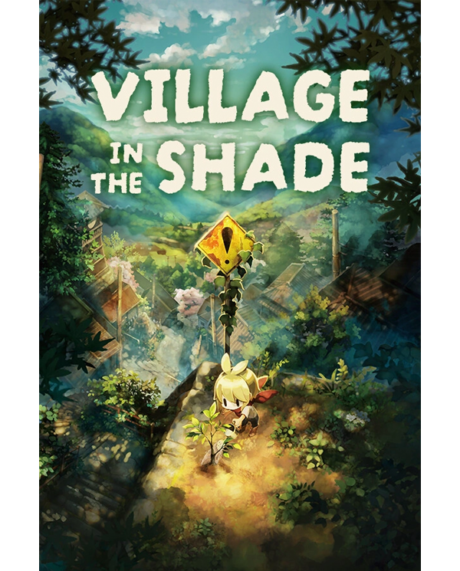
Village in the Shade is a relaxing simulation game with horror moments. It’s a unique blend of beautiful design, wonderful soundtrack and unsettling mystery. If you’re looking for a different simulation style, Village in the Shade is the one to jump into.
Mysterious Yet Beautiful
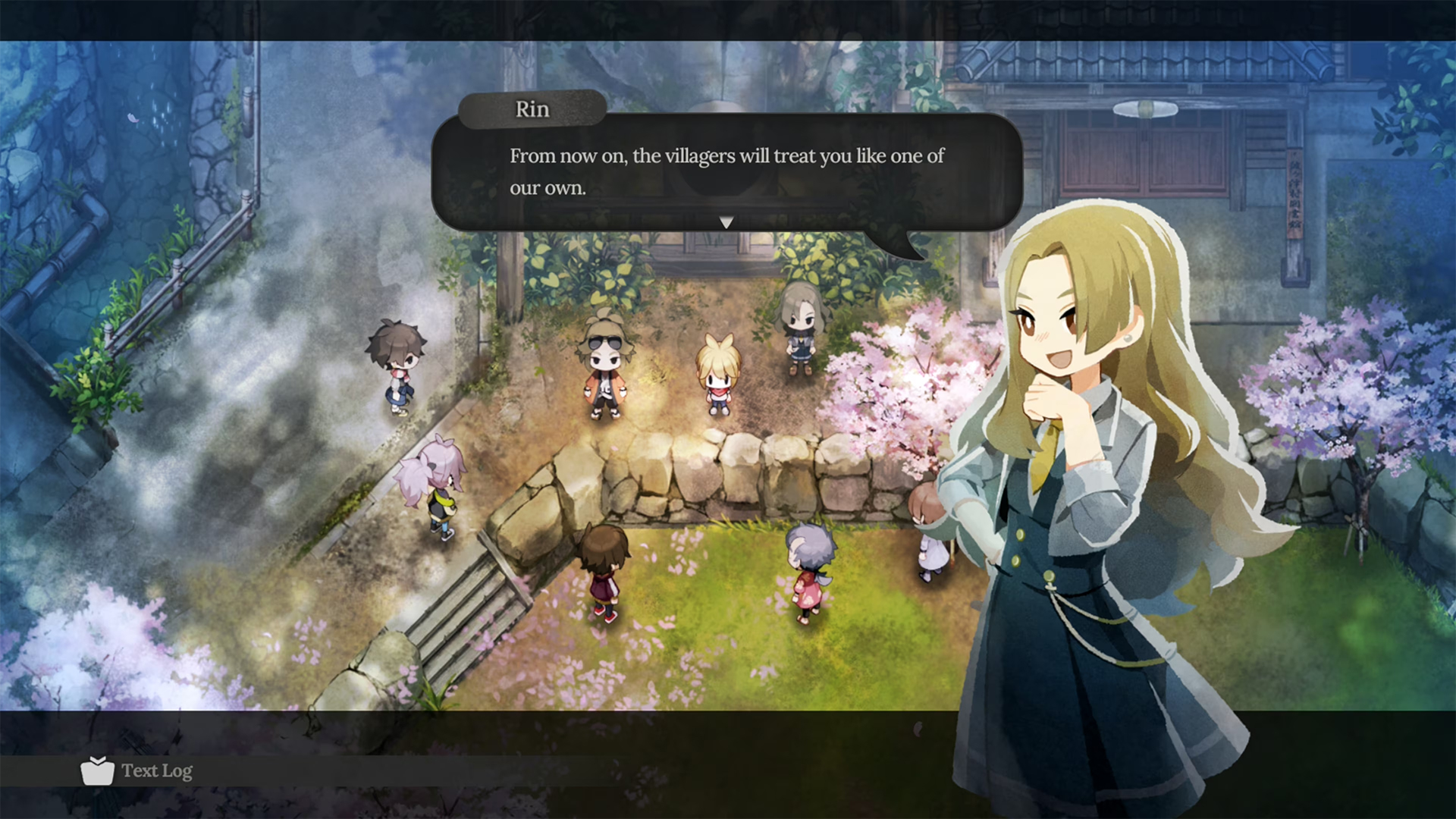
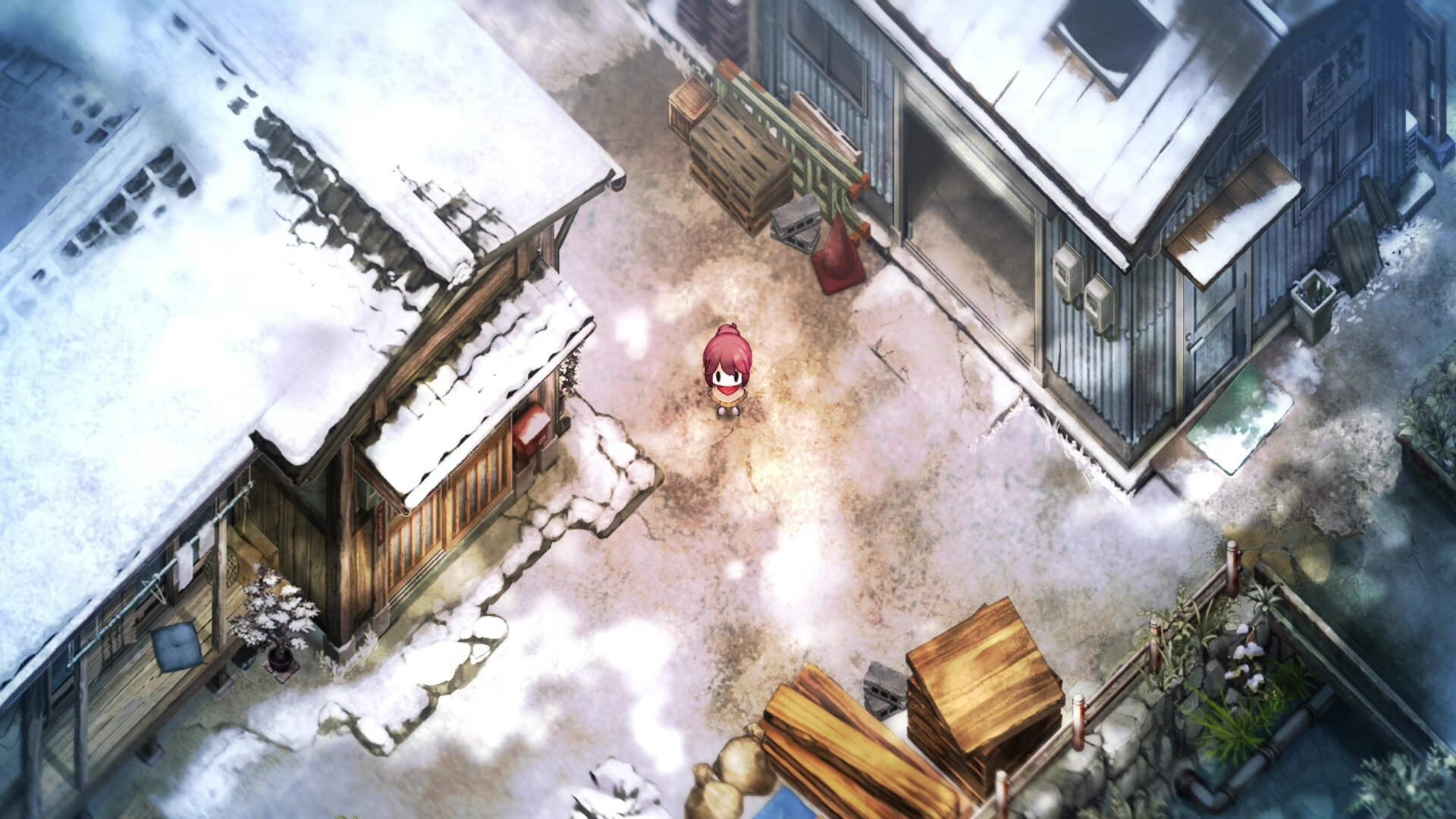
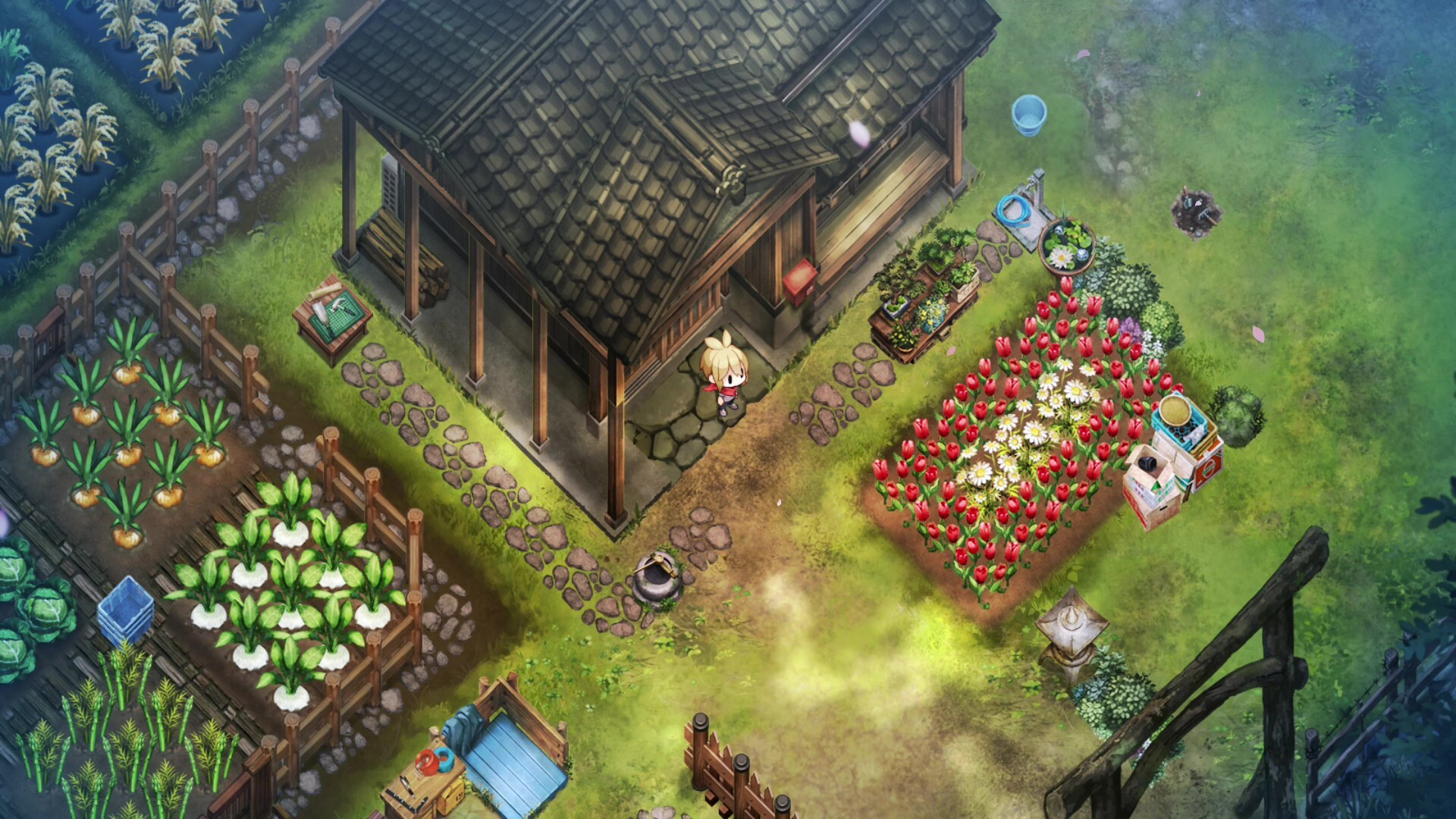
The story takes place in a remote village high up in the mountains, far from the reach of civilization. You wander into the village called Kagatsu Village, where you play as a child, and upon arrival, the local villagers are quite surprised. You receive a small, rundown house with a plot to farm, and you immediately get to work. Nothing like starting early at a young age to earn a living. You’re asked to follow a set of rules when residing in their village, one of those requiring you not to go outside after 11pm.
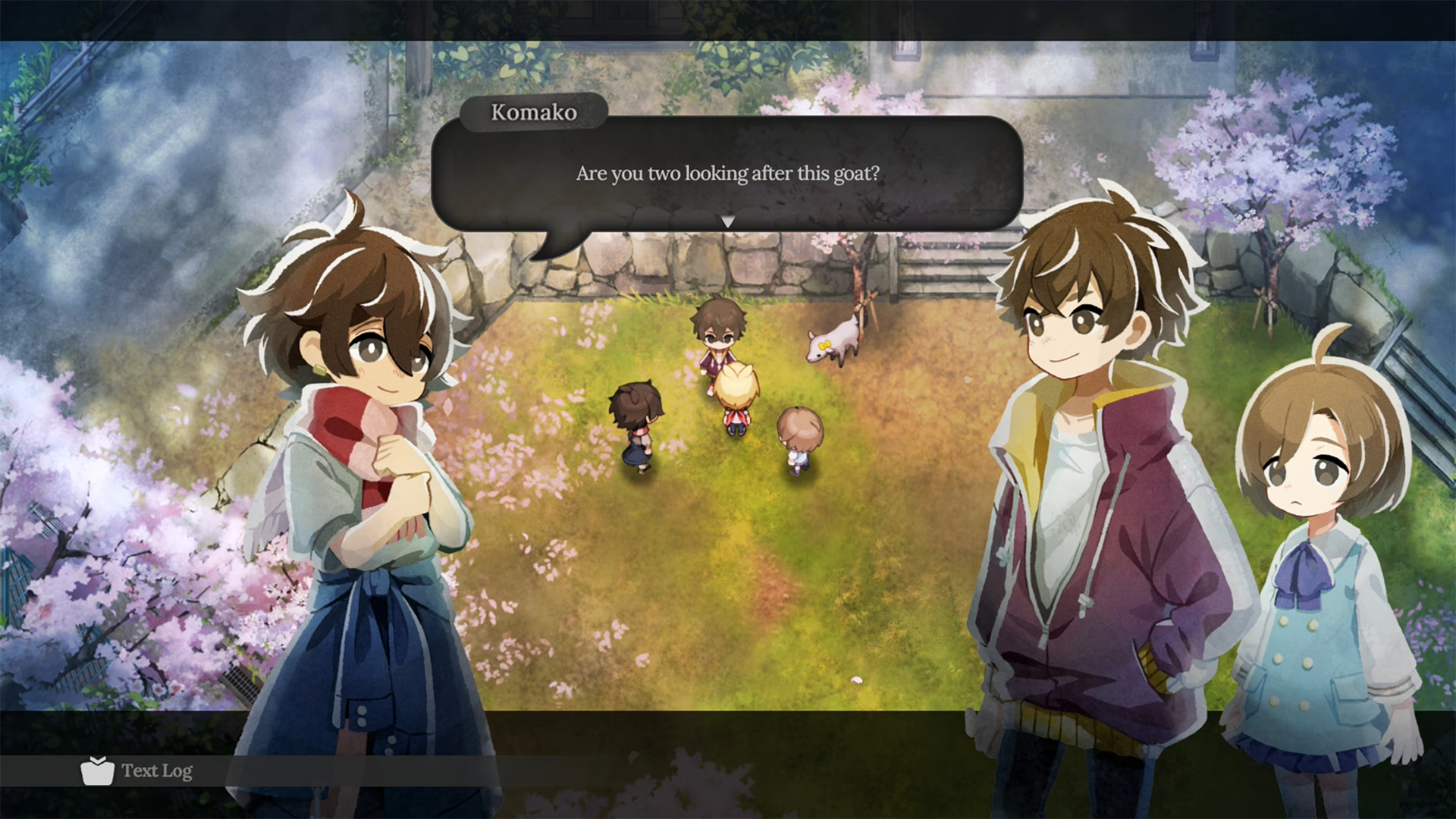
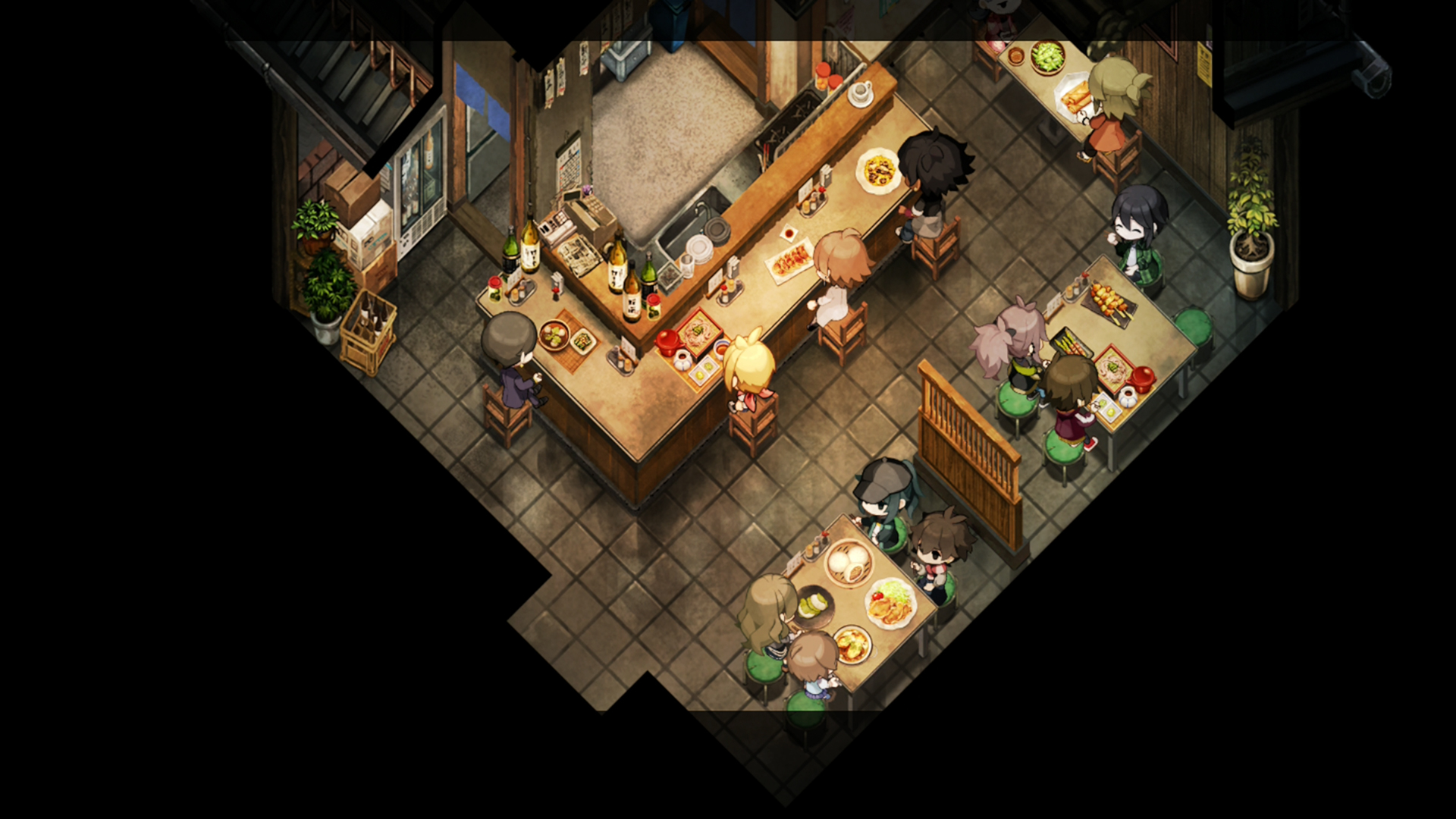
Living in the rural lifestyle, you’ll mostly farm, raise livestock, fish, hunt, craft, and interact with the villagers. The village has a mysterious vibe and players will have to interact with it day and nite to progress the story. Normal conversations and gift giving to the townspeople to increase friendship. It opens the door to learn more about them and provides you with access to visit their property. It’s not like Rune Factory or other simulation games where you focus on romantic relationships, and instead you increase your friendship to learn more about the townsfolk and the history of Kagatsu Village.
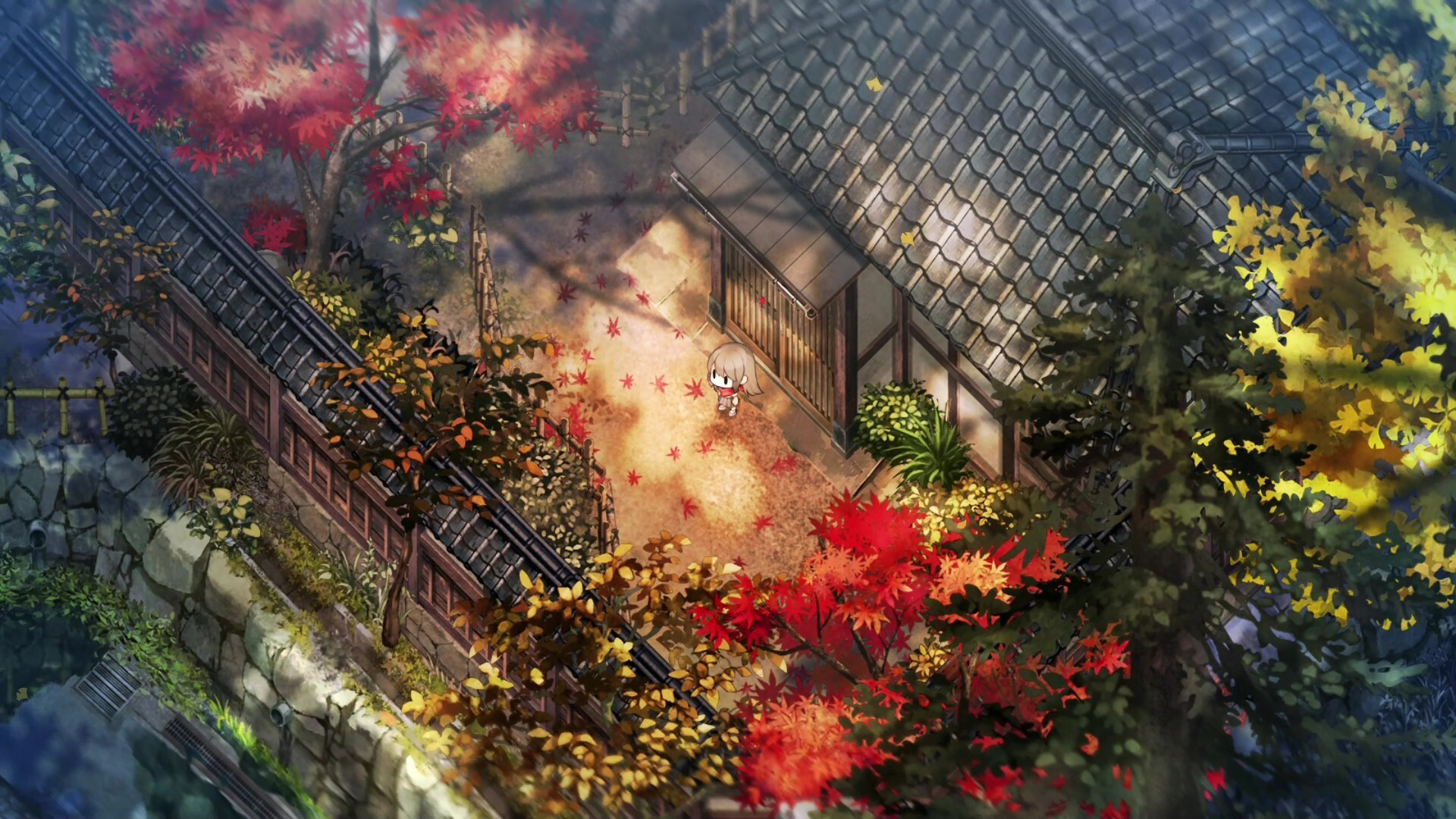
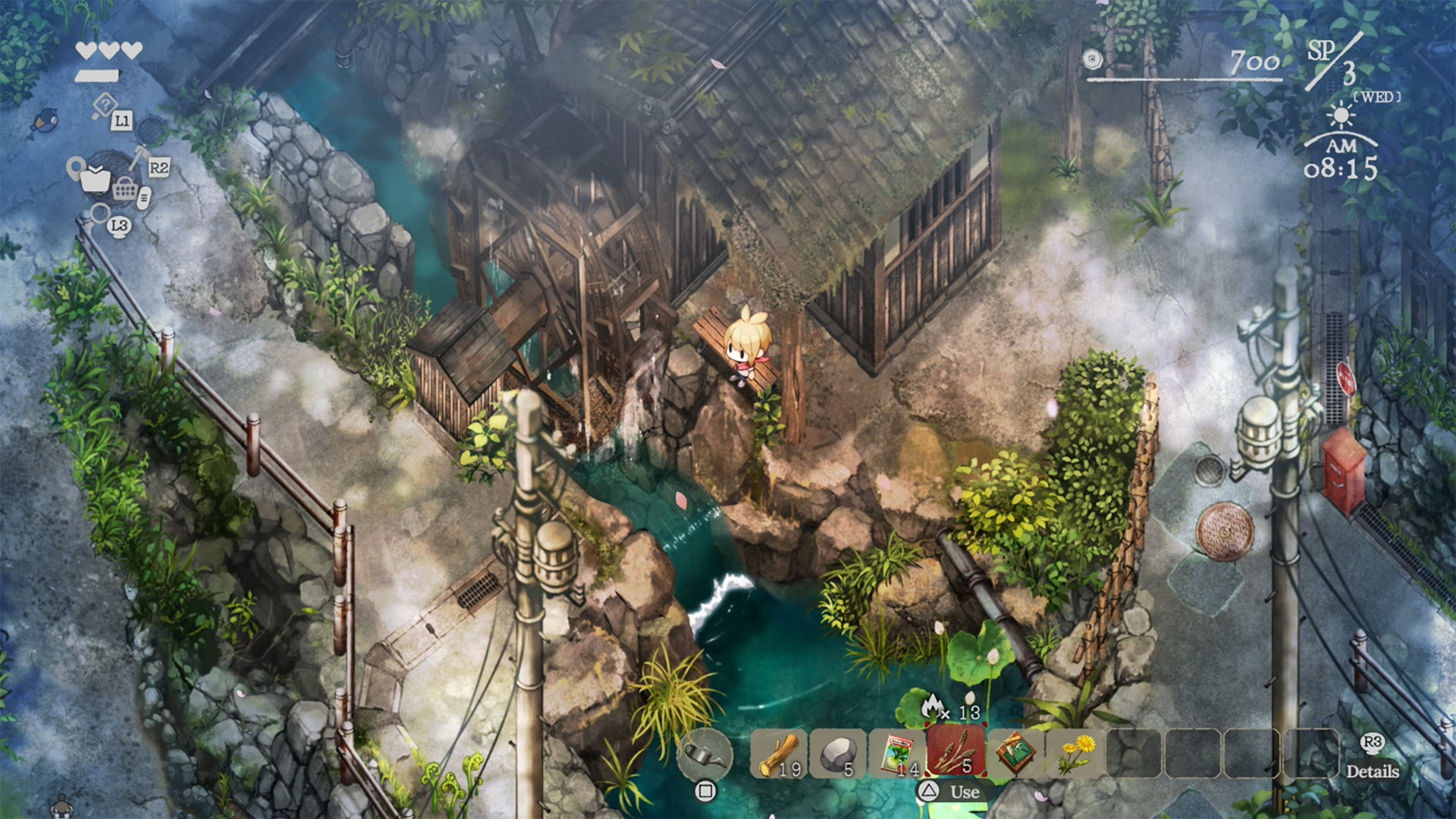
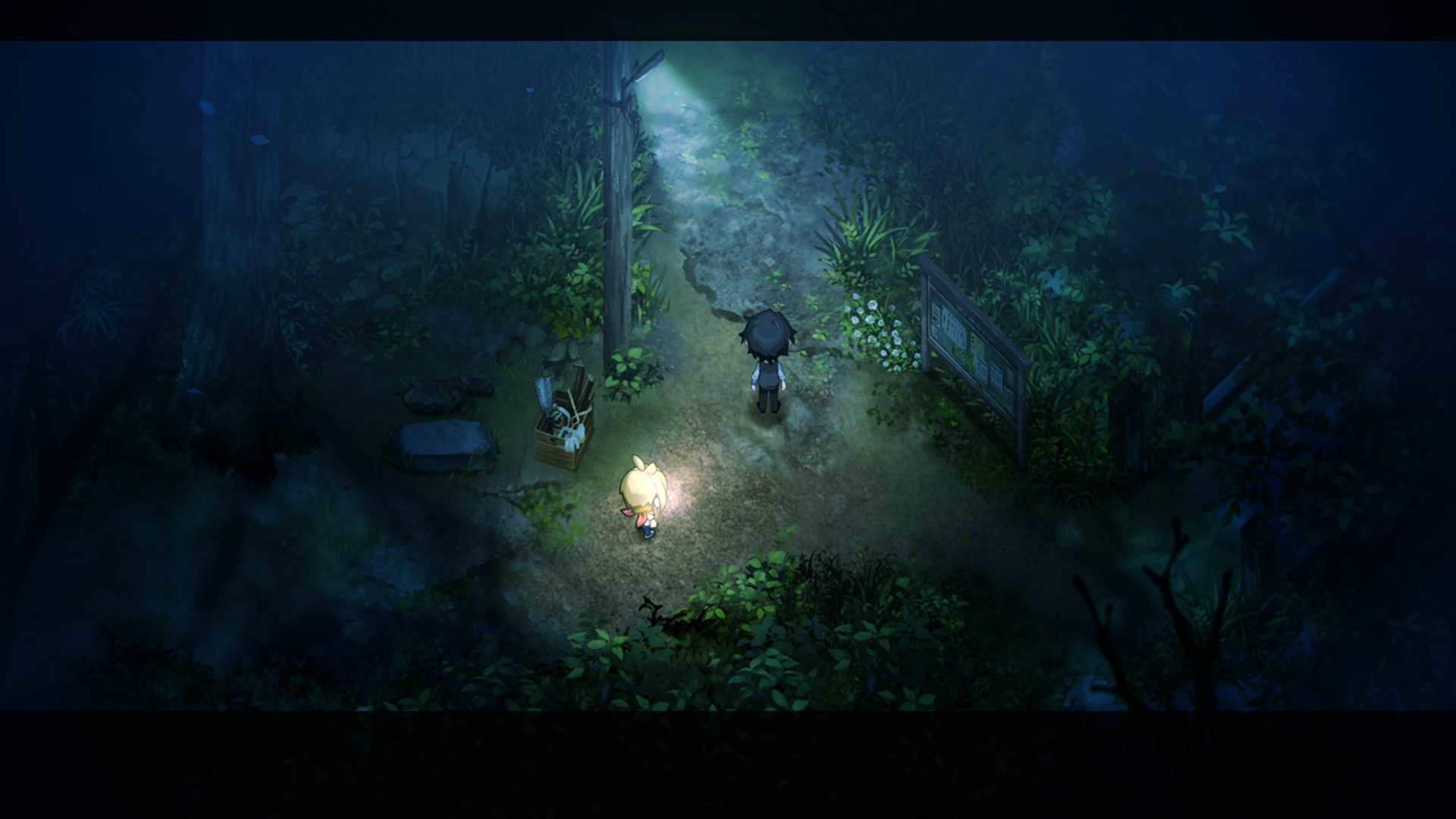
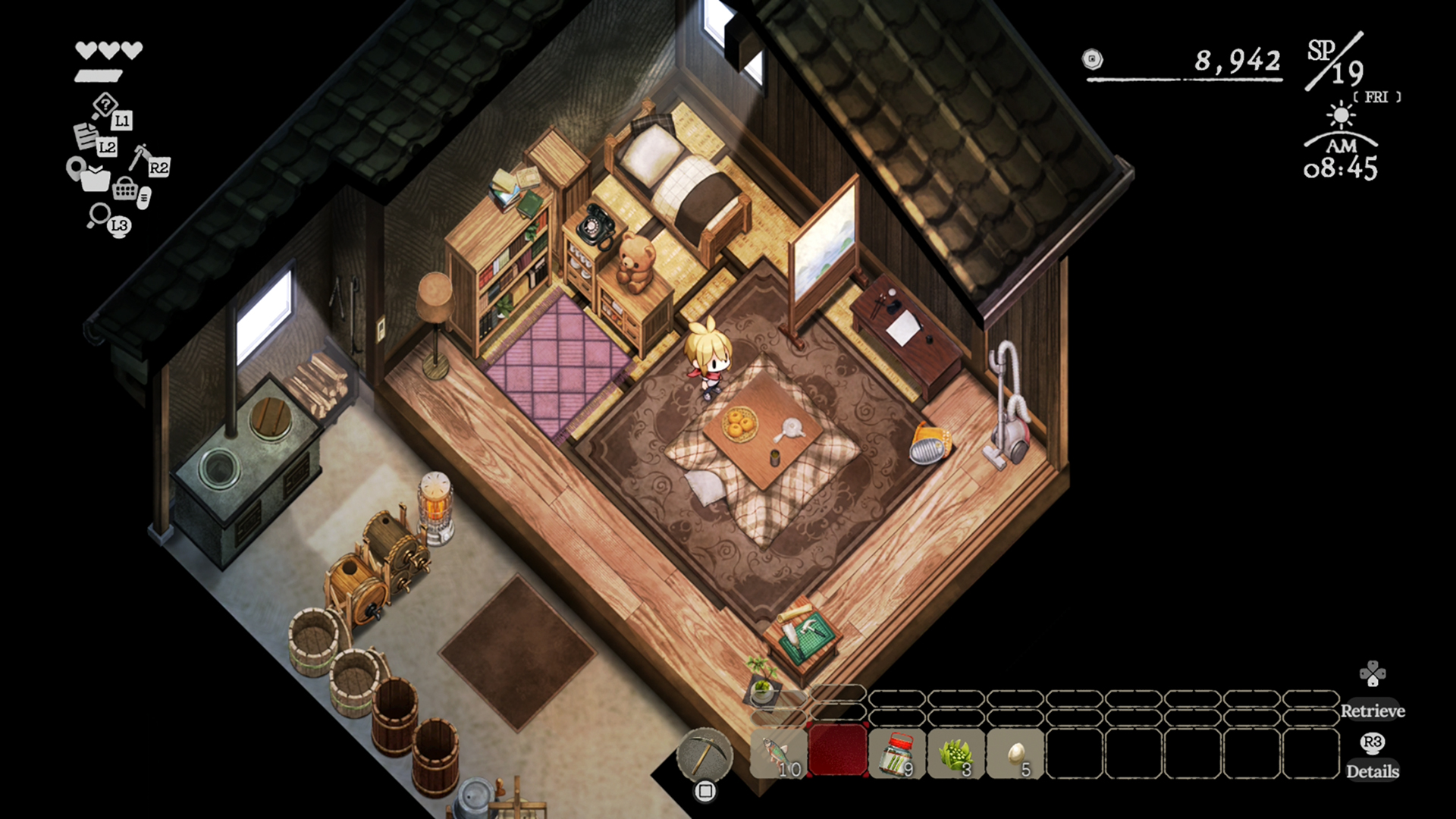
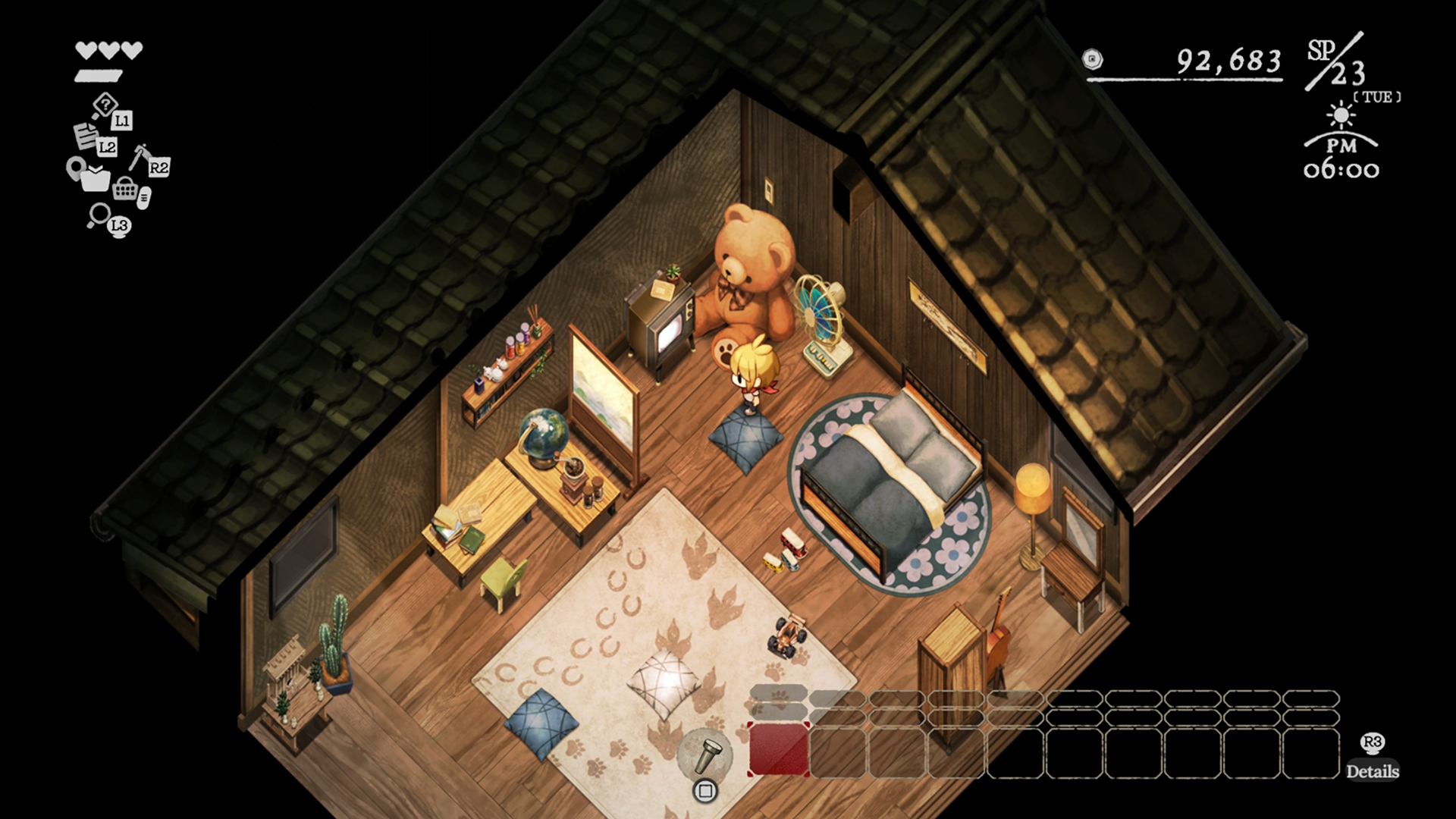
What makes the game pop is the visual presentation. It’s fantastic. Every scene feels like a painting you’d see in an art gallery. The landscapes are beautiful. The colors pop, especially in the fall season. The characters are adorable, especially your customized protagonist. The mines look fantastic with the pop of detail, but the further you go down, the floors feel too familiar, and they start to show designs being reused. The user interface is clean and carries excellent detail and simple animations, including its grid system mechanics when farming. Overall, it’s a fabulous-looking game.
Another positive piece to the game is the soundtrack with its original compositions. It offers a variety of background music that consists of relaxing, gentle, warm, and countryside music that is peaceful. That’s not all, each time of day, the season and the weather changes the music, making each day feel different. Giving a variety of music through your daily life in the village of Kagatsu. Then you have the eerie, unsettling music for when encountering supernatural creatures. You’ll also experience heartbeat pounding faster the closer you approach one of these creatures, and next thing you know, they pop up with a sound effect attached to create that jump scare. These sound effects turn up the suspense as you try to evade and survive. Add the crack on the screens, chains, and visual representation to create a more eerie effect and jump scare.
Living the Life
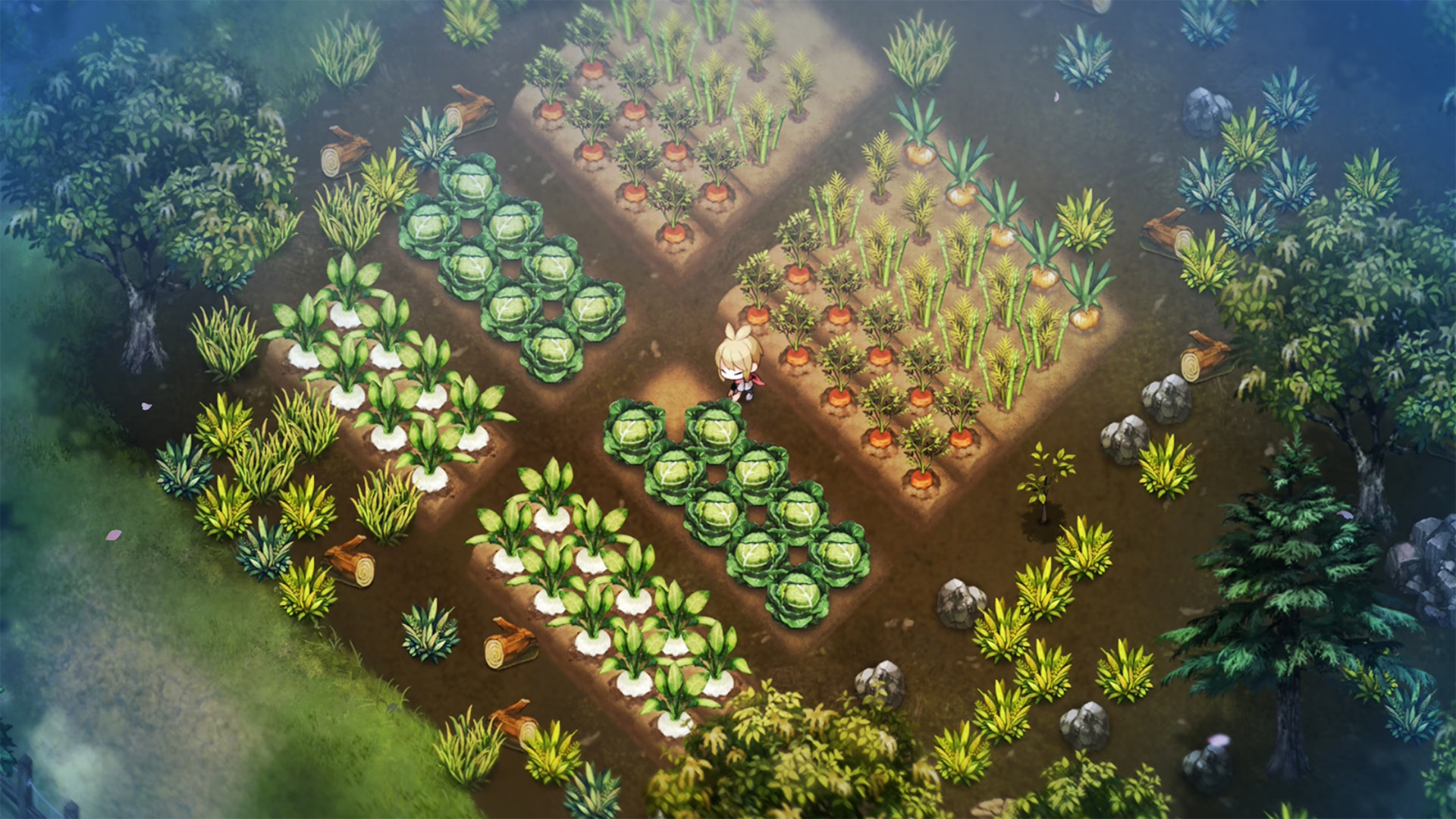
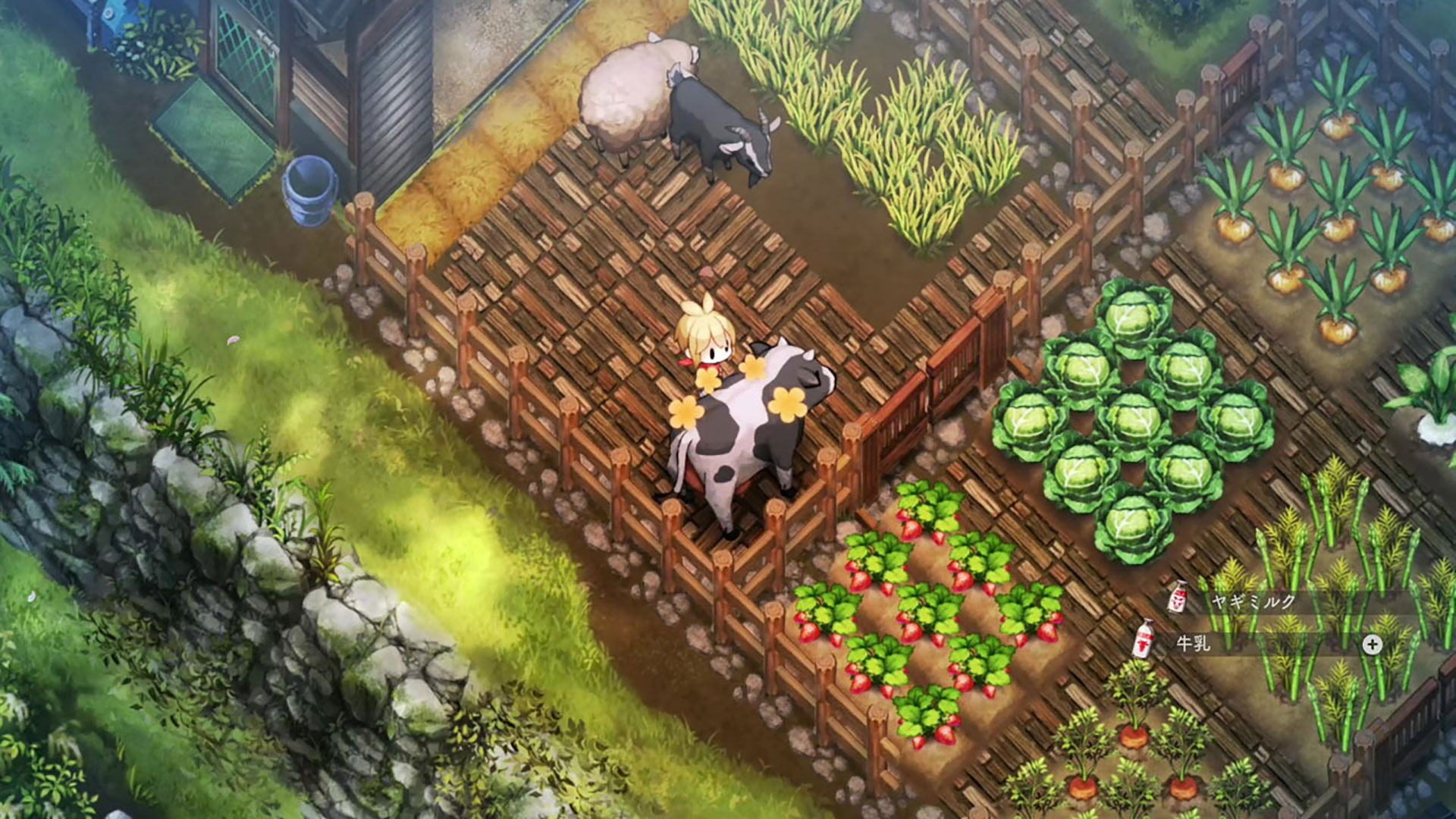
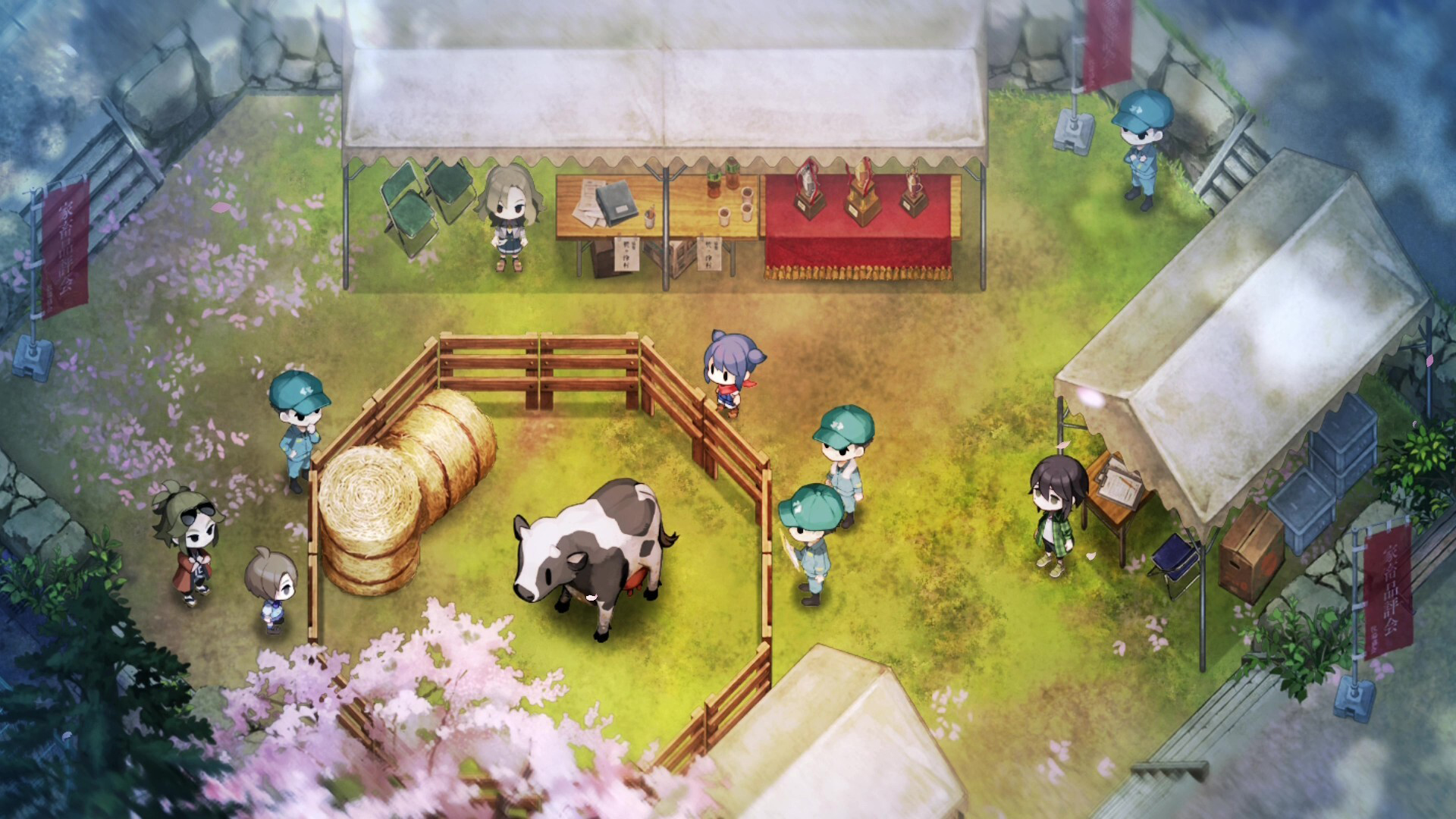
Use your property to clear the land to start growing plants and raise livestock to start earning a living. When farming or collecting materials, the game is based on a grid system to maintain a clean and organized layout. If you’ve played games like Stardew Valley, Harvest Moon, and Animal Crossing, it’s very similar to those titles. Players can also pull up a tool ring, similar to Animal Crossing, for a shortcut to pick a tool to use. It’s smooth, and the overall experience when farming and raising livestock feels relaxing. It’s not overly complicated, and its mechanics feel good.
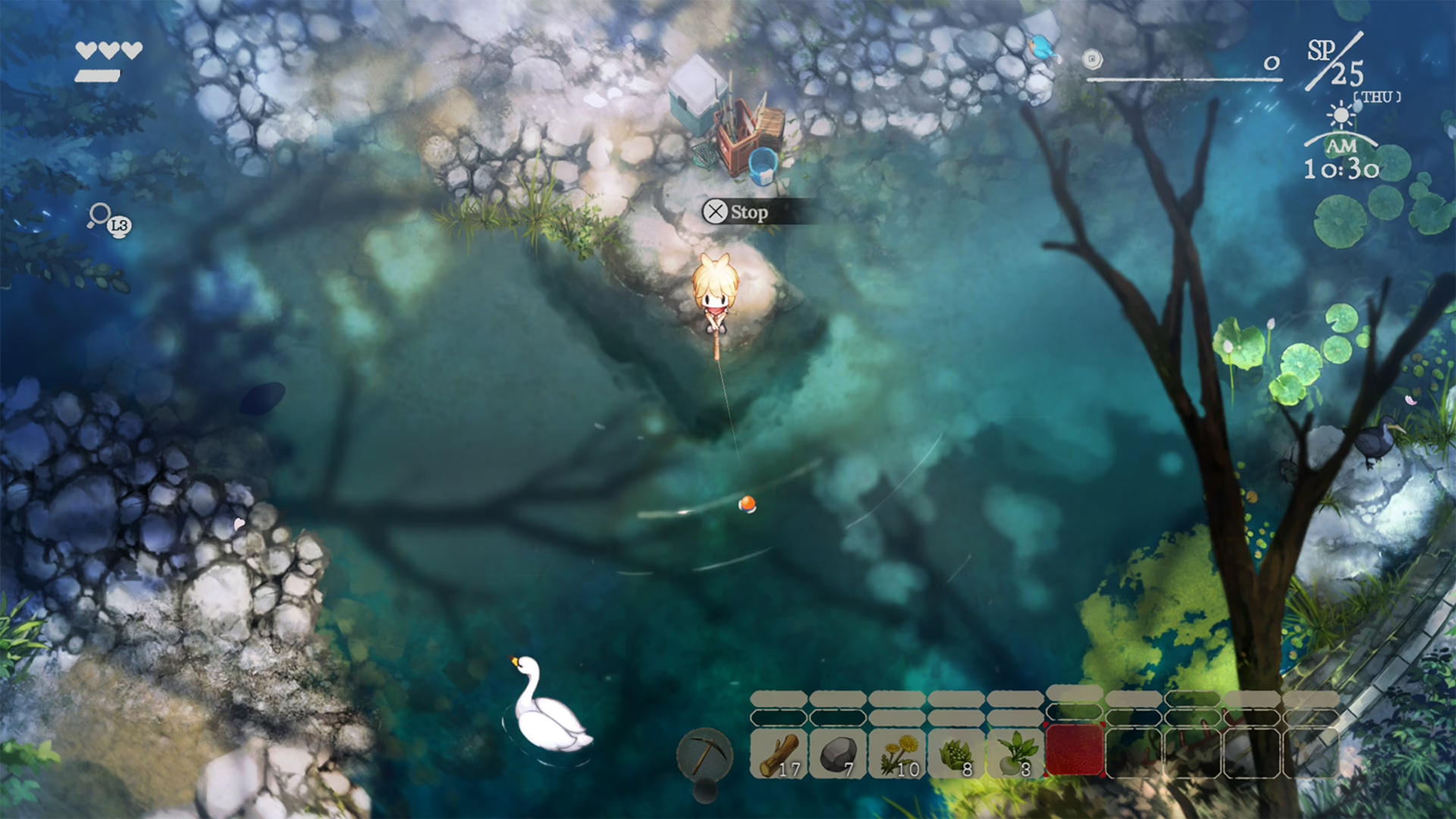
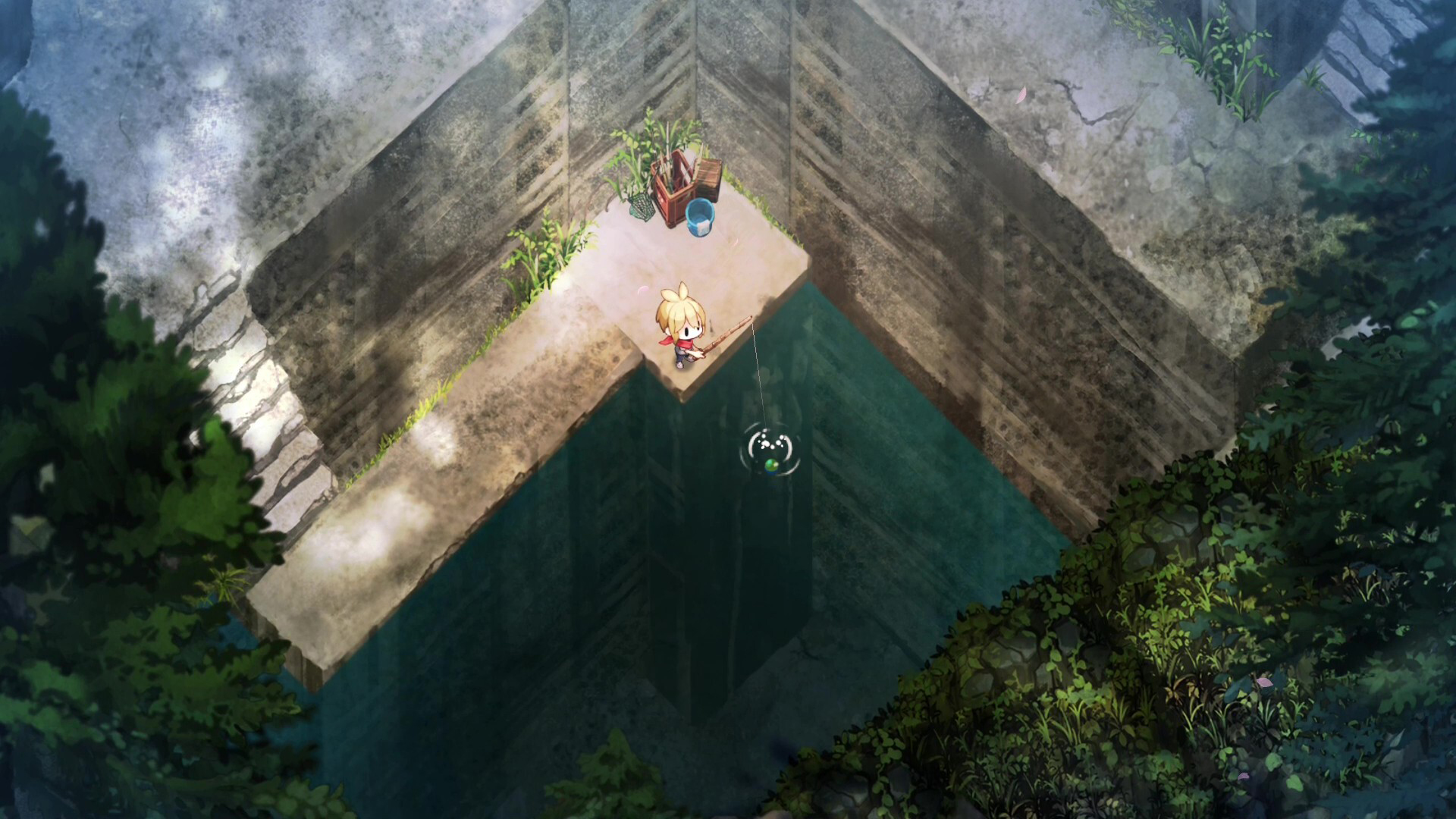
While the time does go fairly quick, it’ll take some time for crops to be ready to be harvested. Multitask and engage in various activities as you await, such as fishing, mining, hunting, and crafting. Fishing is available in selected areas. Fishing is a simple mechanic in which, after you throw in your line, a rhythm-like mini-game appears on top of the screen, prompting you to press a button on your controller at designated spots to catch your fish. If you make a mistake, you’ll lose the fish, and your line returns. Bait will help increase the type of fish you want. Be sure to stock up for more fish to nab.
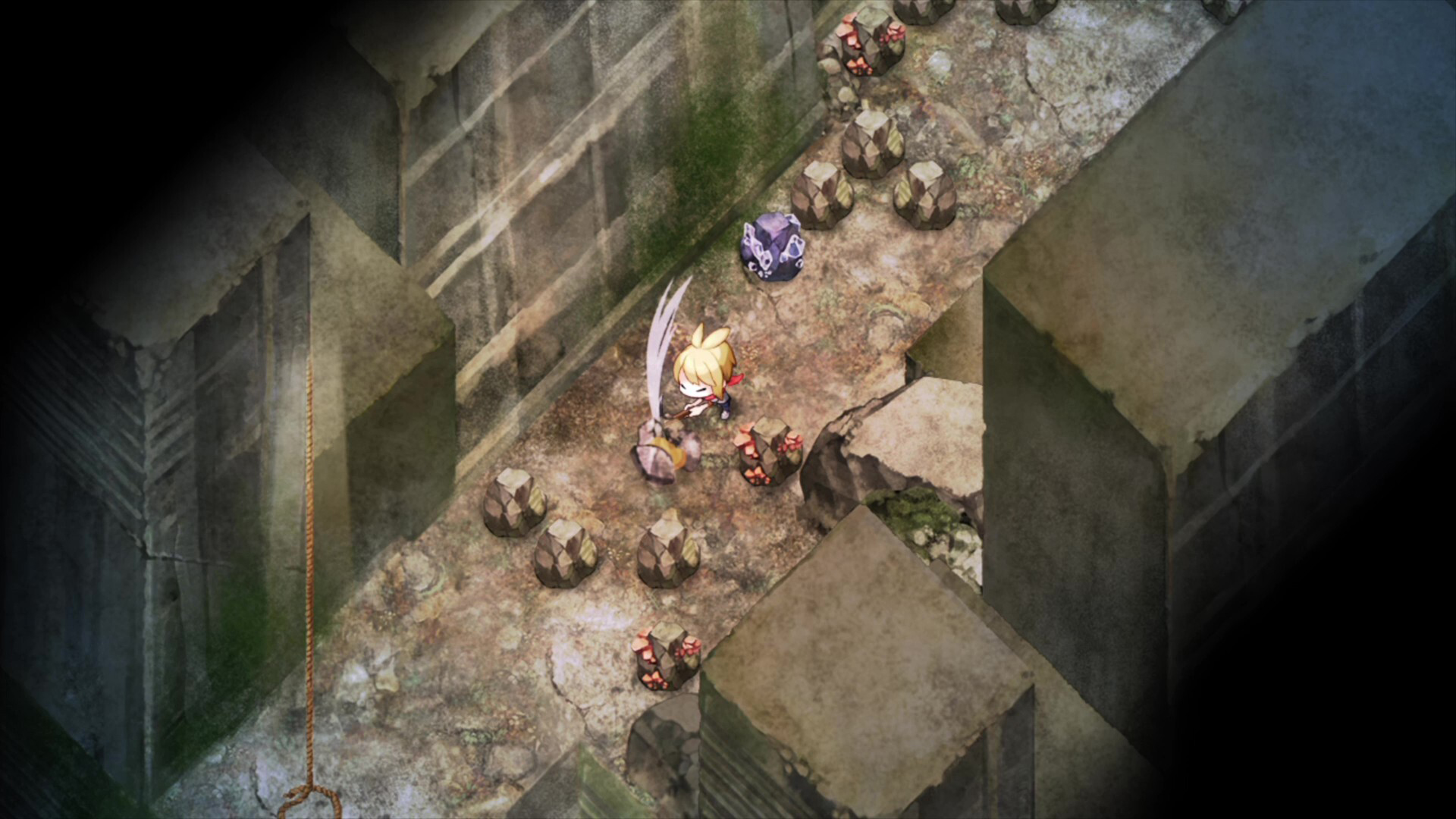
Mining is a beneficial way to dig up minerals to improve your simulation tools to a better quality that can save stamina by reducing the amount of work involved. For example, using a copper pickaxe requires fewer strokes to dig up minerals compared to using a lower-quality version. Hunting requires you to purchase hunting permits to capture specific creatures. Once you have it, some areas that are dedicated to these animals, such as bears, open up. Set up traps or take them on with weapons like a bow. Once you capture or take a critter down, you retrieve it, where it turns into a piece of paper in your inventory, saying that you caught that creature. This is a humorous concept, suggesting that the animal has transformed into paper. Take the acquired paper to the same place you purchase your permit to earn materials.
As you progress into the game, you’ll be able to craft materials into new items such as furniture. Expect to gather more materials as the doors open up. With a variety of activities, the game paces itself quite smoothly for players to understand each mechanic.
Earning money is dedicated work. To earn some cash, take on errands for the townsfolk, which will help your progress and build relationships with the village. Selling crops and materials will help, but various beetles and honey are excellent items to sell.
Living the Dark
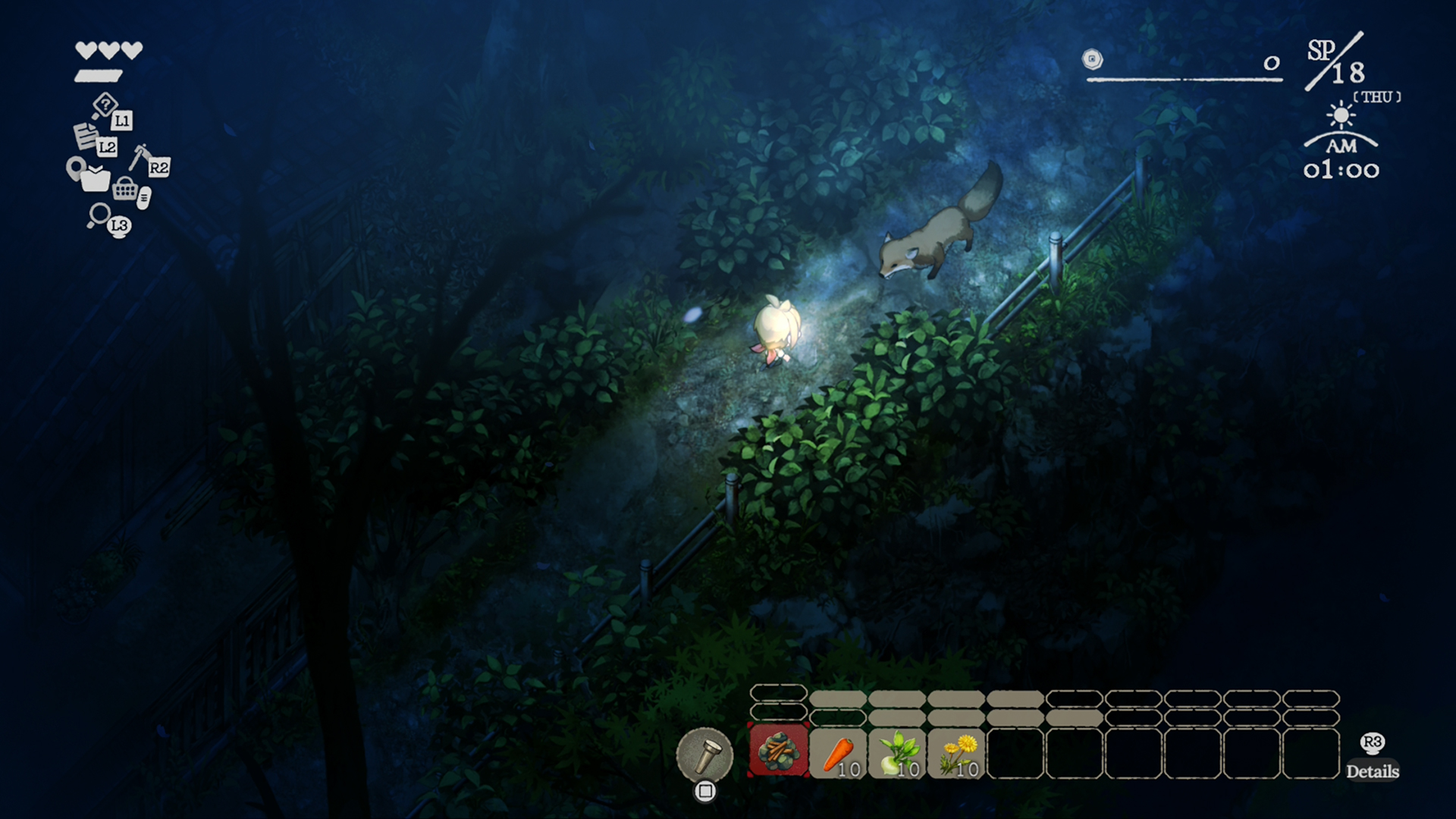
When you begin your game, you have a choice between two modes: Village in the Shade and Village in the Sunshine. Playing Village in the Shade gives you the full experience of both the daily life simulation and the creepy night cycle. Village in the Sunshine is for those who want to avoid the horror at night and just do daily activities. If you’re looking to explore the game’s story, and for those who are trophy and achievement hunters, then you will want to play Village in the Shade mode.
What’s wonderful about this game is that it caters to anyone who’s having doubts about playing the horror piece of the game and just wants to relax in a cozy simulation. Once you pick a mode, you cannot switch back; players will need to start a new game file. You don’t see a lot of these types of options in games and often offer quality-in-life features instead, such as more lives or easier modes.
Upon playing the Village in the Shade mode, players, for the most part, have the option to ignore going outside to explore at night when prompted in the middle of the night by an eerie knock on their door. Is it a villager, or is it something else? To progress the story and find night-only materials, you’ll need to take a step outside and investigate as these supernatural creatures roam around and will chase you down once spotted.
What happens if you stay out during the day till 11pm? You’re automatically warped back inside your house, ready for bed. What happens when you are traveling during the night cycle until 6am? Your character will lose consciousness and fall asleep. Then, the scene transitions to you waking up back in your bed.
The game is about 80% simulation, and the remainder is the horror aspect. The horror aspect is more about the creature designs, anticipation, and the jumpscares. The game’s sound effects, such as a flock of crows flying across the screen out of nowhere or the heartbeat pounding faster as you get closer to danger, will startle you. Upon an encounter, if you touch these supernatural creatures, you’ll lose some health, and you don’t have many hearts on hand to begin with. Once they are depleted, you’re knocked out and wake up with less health and stamina to start the day. You’ll need to recover by eating and sleeping.
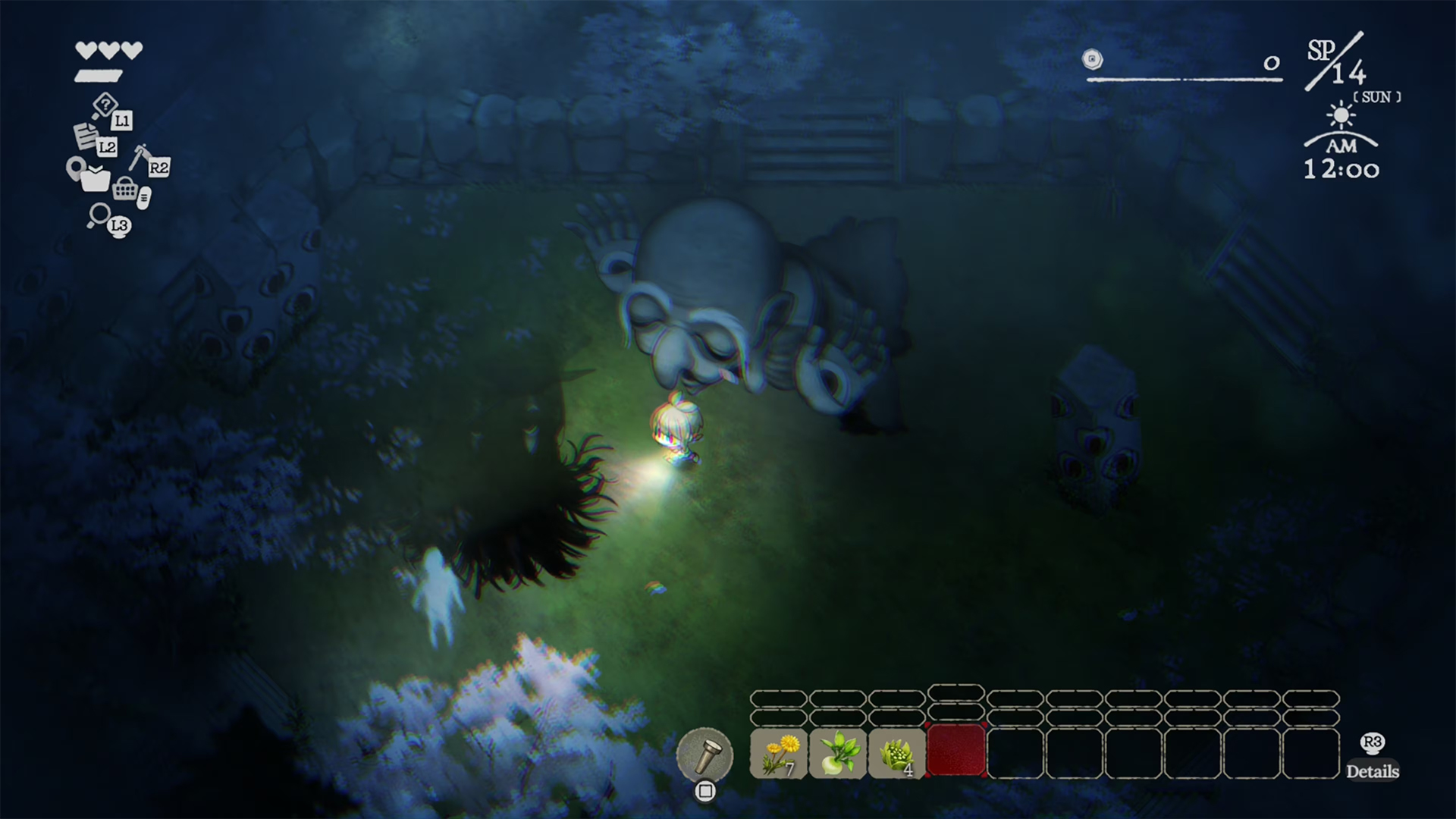
As you navigate in the night cycle, you’ll do a lot of running away and evading. It feels like it takes some time to get to a point where you begin to understand how to encounter these spirits. The game does offer some hints and ideas on how to counter specific spirits and defeating them will give you rare materials. Expect some trial and error to get through these challenging moments as you rely on the same farming tools to help defeated them. For instance, you can defeat a large, elder-looking spirit by searching around the town and breaking cursed lanterns engulfed in purple haze with your axe. Expect more troublesome folklore creatures to appear and defeat these to continue the game’s story. It’s not a heavy action game you would expect for having to fend off spirits, but it requires some skill to survive and outwit these monsters.
Another upside is the game lets you dictate your pacing. You can take your time or dive into it. Players can expect to put in over forty hours easily with its simple and intuitive mechanics. It certainly adds a different side of gameplay for a simulation game, but when you bring in the creators of the Yomawari series, should you be that surprised? If you’ve enjoyed those games, then you’ll have a good time with Village in the Shade.
The Final Night
Village in the Shade blends a relaxing rural life simulation with unsettling Japanese folklore horror. Its gorgeous visuals, soothing soundtrack, and variety of activities make it a joy to play during the day, while creepy nighttime encounters add a unique twist. Expect some trial and error to survive the night, but it’s a purrfect blend of simulation and horror.
A PlayStation 5 code was provided by the publisher for this review. Village in the Shade launches on October 27, 2026 for the Nintendo Switch, Nintendo Switch 2, PlayStation 5, and PC. Fans can visit the game’s official website for more information. You can also read our interview with Village in the Shade’s Game Designer Yu Mizokami and Development Lead Mio Katsumata.
Related Stories
Related Posts










Leave a Reply
Subscribe
Login
0 Comments
Oldest