Filed Under
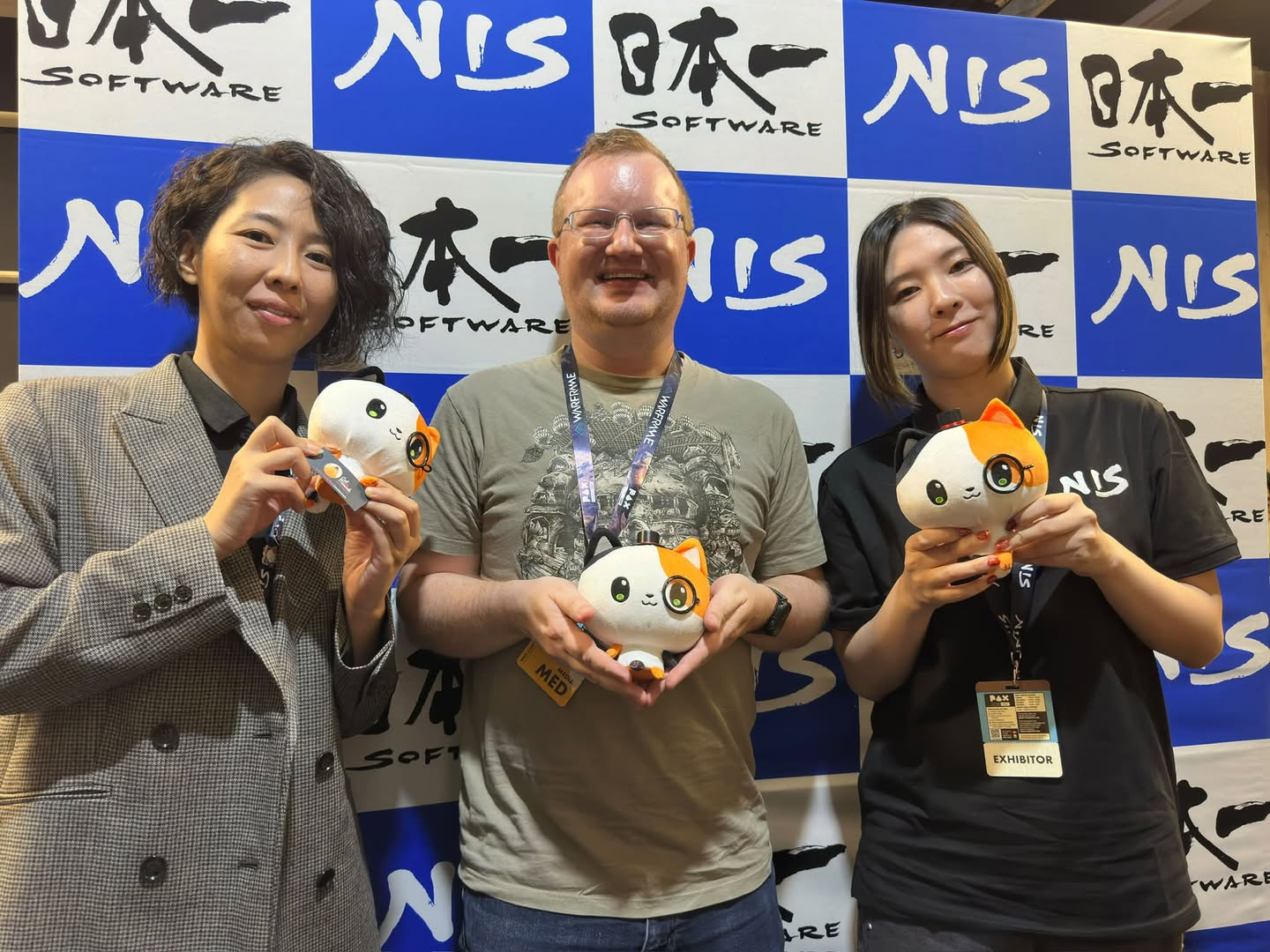
We had the pleasure to interview Game Designer Yu Mizokami and Development Lead Mio Katsumata on their latest project, Village in the Shade. What inspiration went behind the development of the game? What mode should players try out and is it a game for those who don’t like the horror genre?
Village in the Shade launches on October 27, 2026 for the Nintendo Switch, Nintendo Switch 2, PlayStation 5, and PC. Players can visit the game’s official website for additional information and purchasing options.
The team has experience working on titles such as the Yomawari series. What influences, both from games and outside of games, had the biggest impact on Village in the Shade?
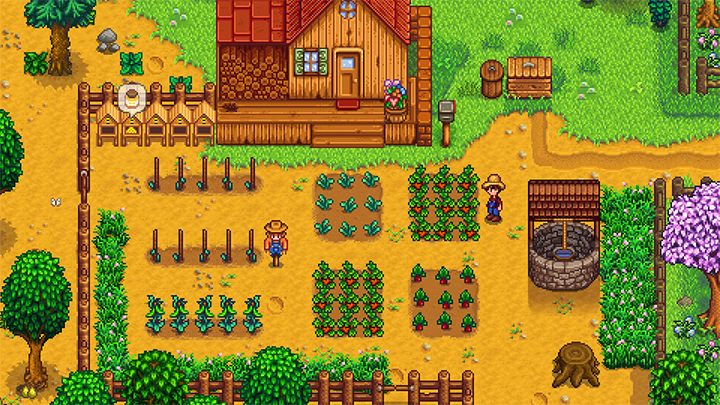
Yu Mizokami: So we definitely looked at some titles in the farming simulation genre, because with this being a farming simulation title, we wanted to look at other examples in the genre. Such as Stardew Valley and Harvest Moon.
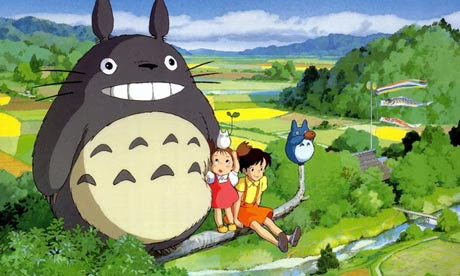
One of the other things that we looked at was we knew we wanted the game to be set out in the Japanese countryside. And as part of that, we sort of look at some films such as My Neighbor Totoro for inspiration. We wanted to make sure that we got the details right in terms of what it really is like to be out in the countryside.
I can definitely see a lot of those inspirations in the game!
Yeah, it would make me really happy if it seems like it’s connecting with people on that level and that they’re getting that feeling from it.
Oh yeah the illustrations for sure within the game’s overall design and experience from playing the demo.
Thank you very much.
What are some of the biggest challenges when balancing the relaxing simulation of farming with the unsettling atmosphere of Kagatsu Village?
Mio Katsumata: So Mizokami-san’s speciality is more in the horror genre, having worked on the Yomari series previously, and that’s really her strong point.
And then for me, I’m the kind of person I like farming simulation a lot more. So we sort of worked together and balanced each other out and talked about both those aspects a lot.
What is the one thing you want players to understand about Village in the Shade that they may not get from just watching the trailers?
Yu Mizokami: So I guess the one of the big takeaways that I would like people to understand is that I know that looking at it, it probably seems from the outside, like it’s a majority horror game, especially coming from off of the Yomari series, where that is very much like a small package from all horror.
They may kind of get the impression that this is mostly hard with a little bit of farming simulation but really, it’s the opposite.
There’s a lot of farming simulation and that is the majority of the game with a little bit of horror additive for spice
How much percentage do you think that is?
The horror is about 20% and the farming simulation is about 80%.
So I think one of the points that makes this game so interesting is that you can have that cozy and relaxing farming simulation vibe, and then we come along just kind of, not to say splash a little water on it, but just kind of, you know, spook you a little bit.
That’s funny you mentioned that because in my next question, without spoilers, what kind of creepy or unsettling encounters should players expect when playing?
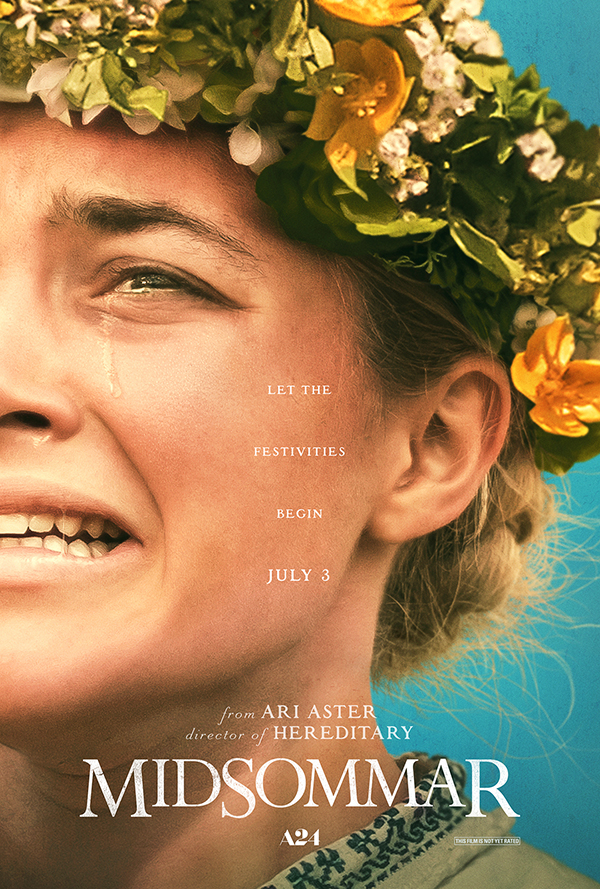
Yu Mizokami: So with the setting being what it is with it being out in the countryside, if I were to put, if I were to make a comparison to anything, are you familiar with the film Midsommar?
I’ve heard of it. Haven’t seen it yet.
Yeah, it’s kind of like folk horror almost in the aspect of what I mean by that really is that there are, it’s sort of like the player stumbles into this village where there’s a totally different set of rules and a totally different understanding of what is normal versus what is not normal.
And for those people that live there, this is just what’s expected. But for the player, it creates this very big sense of unease because all those things are happening that everyone else is just fine with, and they’re like, this is strange. This is off.
So it really puts that sense of unease into the player so that they are experiencing that sort of, you know, call it folk horror, or kind of like, well I’m not sure if there’s a good word for it. Sort of like countryside
So you sort of get closer and closer to the villagers and you start to understand them and appreciate them. And while that’s going on, then you have these moments where, you know, something strange comes out and surprises you.
Looks like I have to watch this film now!
The game’s rule is to never go outside at night. Why was that rule established, and how important is it to the game’s storytelling?
Yu Mizokami: Yeah, that was actually present from the beginning. So essentially, we were trying to create a rural structure where the player would feel like, well a lot of players tend to have a tendency to do things, not necessary to move the platform. So we wanted to sort of say, okay the rules should punish that in essence. And so that was kind of the thought process behind it but yes that rule was there from the beginning.
With Normal and Peaceful Life modes available, what would you recommend players try first, and why?
Yu Mizokami: So I would say, it depends on the player really, but if you’re someone who is, maybe, you have a little bit of trouble with horror, but you can handle it, or you’re just totally fine with it. I would say go ahead and play normal mode.
But I think you’re, you know, if you are completely bad with horror, you’ll probably want to start with sunshine mode. I think what would likely happen is that as you play in sunshine mode, you’d be like, man I want to know what’s going to hap[pen in the story and it’ll pull you back in and make you want to try the other part.
Okay, I like how there’s something for everyone.
Yeah, we built the game specifically with the thought process that we wanted as many people as possible to be able to enjoy the game.
What do you think Village in the Shade offers to players who normally don’t play horror games?
Mio Katsumata: So for me, I can answer that question because I normally don’t like horror games myself.
When you have jump scares or gore in horror, that doesn’t really affect me. It’s not anything I particularly like but I really like what Mizokami-san does with her world building.
And that, the story and characters are what really roped me in and made it enjoyable for me. So you know, from my side, I was asking her to make it, you know, not too scary for someone like me. And so I think the balance has really been well received.
So you could say you would play more horror games now after experiencing this game?
(Laughter) It might be too scary for me.
It looks like the majority of the gameplay is centered around farming and life simulation. What part of those mechanics are you most proud of?
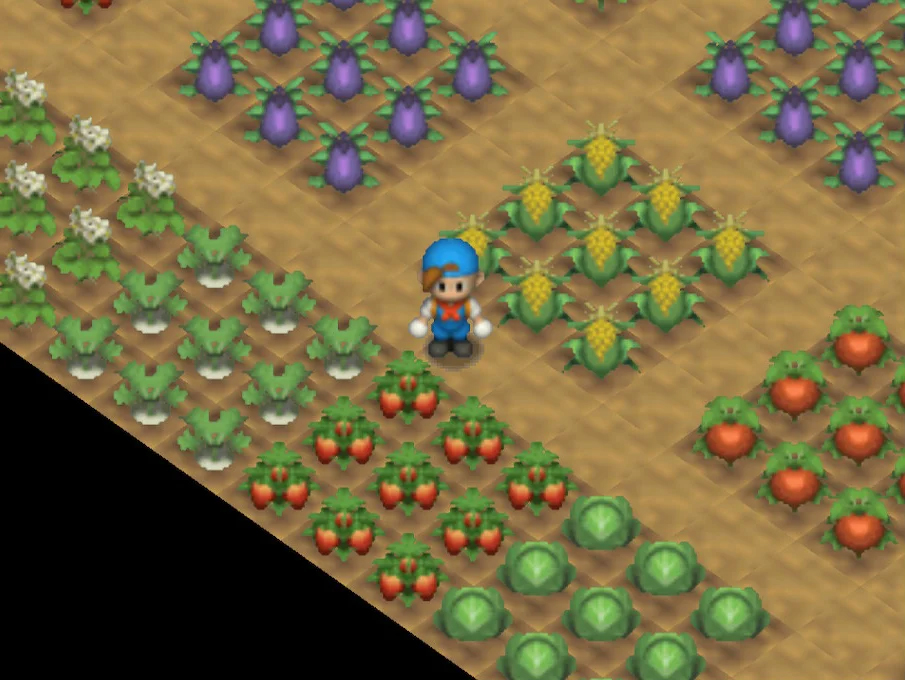
Mio Katsumata: So there’s not any one specific thing I could point to but we said earlier that we researched Harvest Moon and started looking at other farming simulations while we were making the game. I think what we’re most proud of is really the fact that we were able to kind of make a game where you can get that same kind of positive interaction that you would get from playing those games that we built the game to that level. You can enjoy the farming aspect of that to that degree.
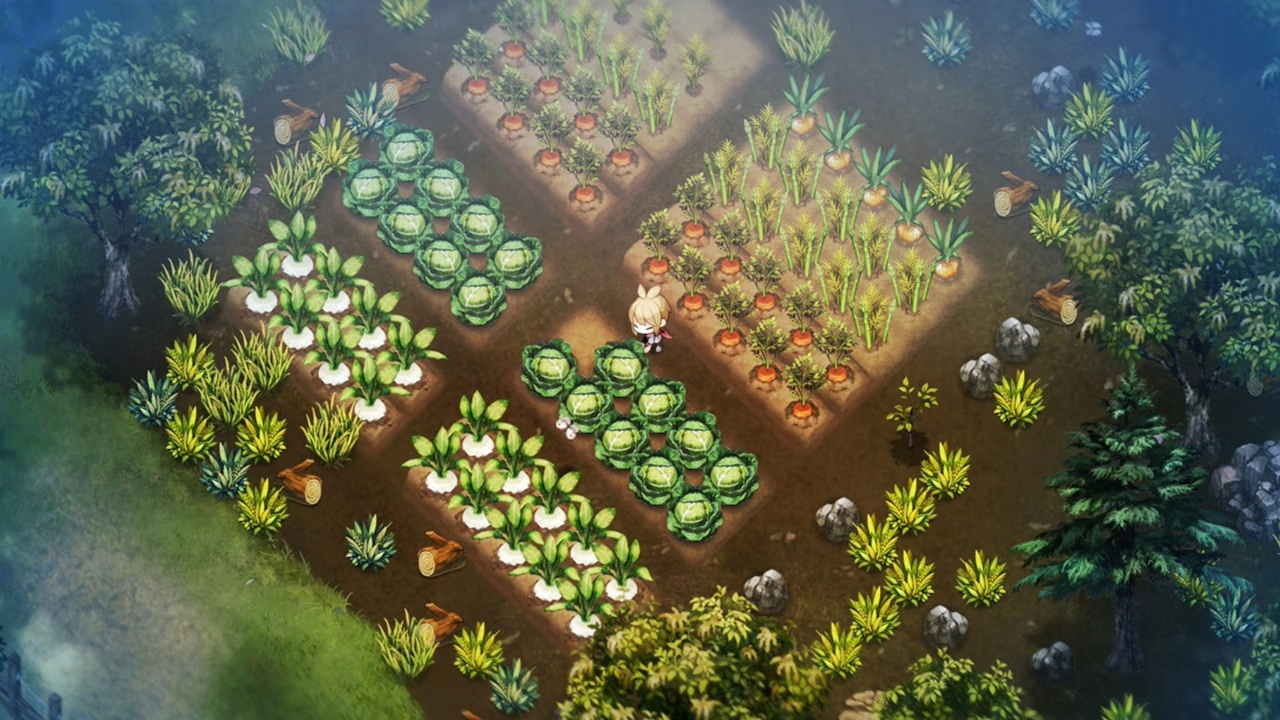
I really hope the players will enjoy it. In particular, we put a lot of emphasis on lots of different props that you can produce and construct in the game. They are based on real things that you would find out in the countryside in Japan and we put in a lot of effort into making them feel authentic as possible. So I really hope players will enjoy that aspect.
Ah, very cool!
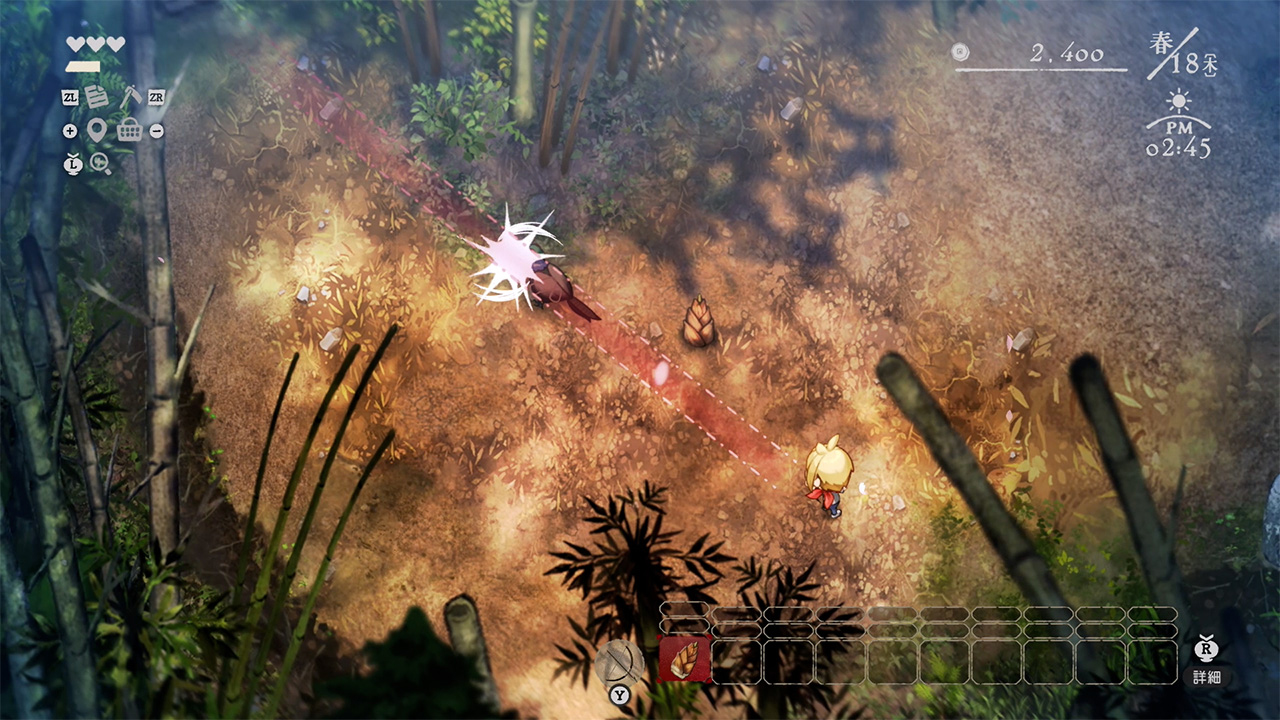
Also, there is something that’s a little bit new to the genre for this game, because you’re out in the mountains, we’ve also introduced hunting.
So we really like it if players look forward to all the different kinds of animals that they might encounter out in the wild.
That’s interesting.
How much freedom did you want players to have when designing their farm and home?
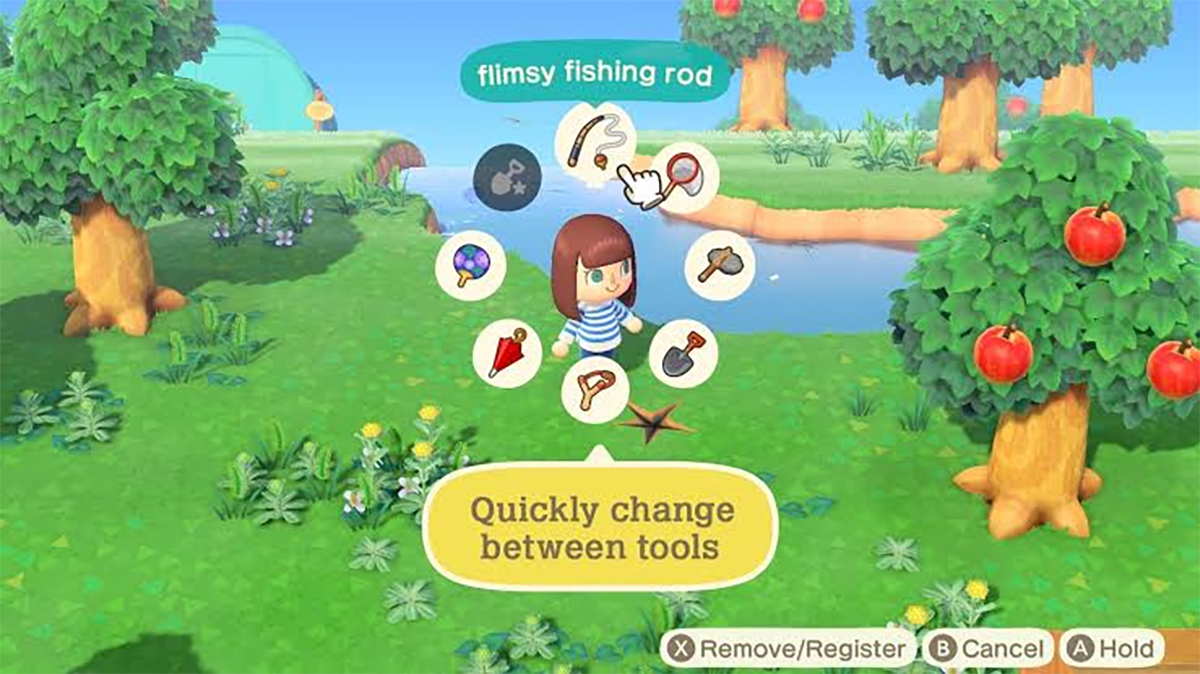
Mio Katsumata: Yeah, so honestly, this was something we were thinking about from the beginning and we wanted to make it as open as possible for them.
Basically like Animal Crossing.
I got that vibe while playing the demo.
That’s great! Glad to hear that.
Yeah we also made it so that the players have a lot of freedom in terms, like there’s different objects and various sizes, and you can combine them in unique ways.
What do you hope players remember most about Village in the Shade after they finish the game?
Mio Katsumata: Yeah, it’s hard to explain but I hope that by the time they get done with the game, they just have this kind of sense of like, (reenacts a relief expression).
Does that make sense?
Yeah, I think I see where you are going.

It’s hard to describe the feeling. It’s not joy, it’s not sadness.
Like a sigh of relief?
Maybe it’s best if I don’t describe it and just let the players experience it for themselves.

Yu Mizokami: Being the scenario writer is probably natural for me to feel this way, but I really hope that, you know, players who were a little bit apprehensive about playing horror games before they got into the game.
If they finished, they managed to make it through the game. If they are like, wow, I didn’t know horror games could be this fun. You know, that’s what I really hope.
If the team had to survive one night in Kagatsu Village, who do you think would be the first one to break the rules?
Mio Katsumata: Might be me. I tend to not worry too much about rules sometimes. I’m the type of person that I would probably think, oh, it’s not that important overall.
And I just go outside anyway.
Says the person who doesn’t want to play much horror games.
Yu Mizokami: Yeah it’s because I know that I would know to not do that because I’d go out and get killed.
Mio Katsumata: Yeah and not familiar with those kinds of tropes. That’s more than likely what would happen.
If you could develop any video game, past or future, without any limitations, what would it be?
Mio Katsumata: So this was actually my first time getting to work on a brand new IP.
So it makes me feel like, you know, just an example, that you know, oh, I might like to work on the first title in a new franchise.
So part of it is kind of like if I could, I would have loved to be on the ground floor when people are having these initial conversations, because what I found, what’s a really positive memory for me from this experience is, the bounding back of ideas between the two of us as we were trying to figure out what are the ways that we can really connect with the player or get a response from.
Yu Mizokami: So I might actually make one, so I’ll have to keep it a secret for now.
What is the strangest thing you’ve ever wanted to put in a game but haven’t had the opportunity to?
Mio Katsumata: So the way the game is built now is you go out and hunt for animals and then you get sort of a form that you then turn in to get your reward.
However, what our original concept for it was that you would kill them and you just have a dead body. It was almost like Monster Hunter where you go and do like, carve up the animal.
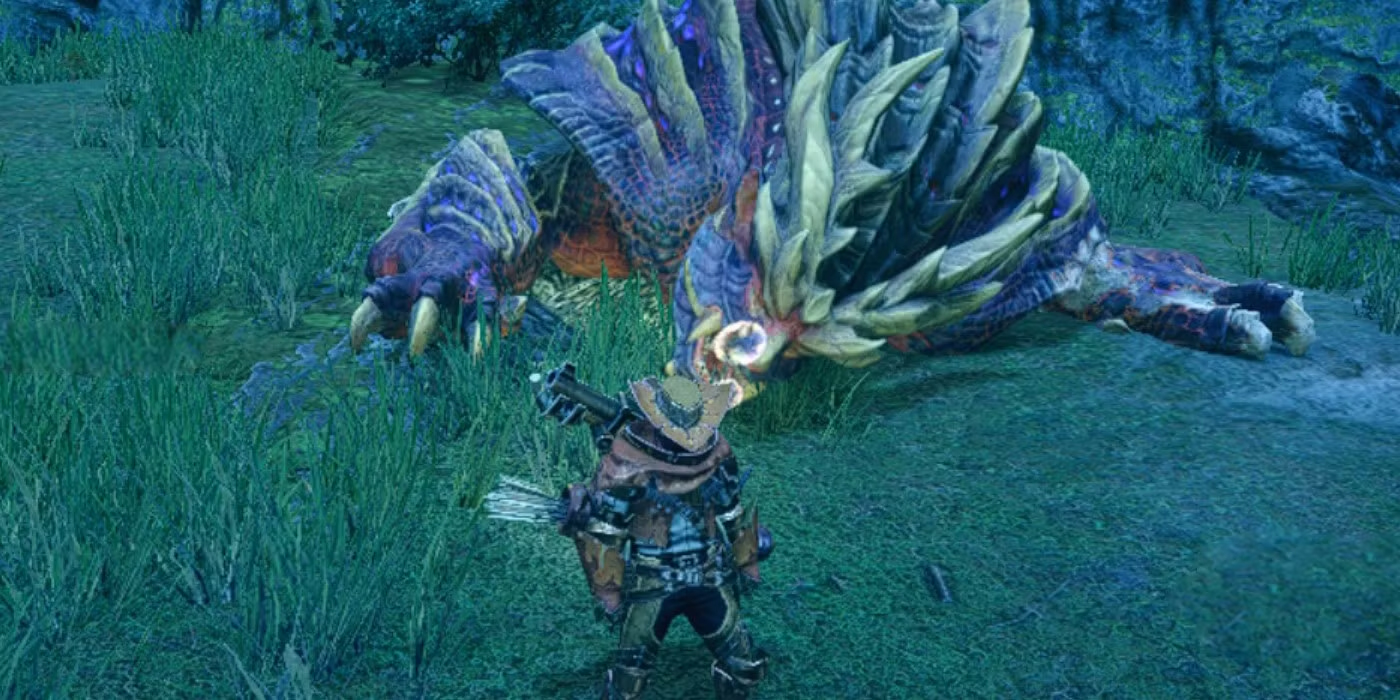
But we gave up on that because we thought, okay that’s a little too far.
What animal would make the best farmer?
Mio Katsumata: I feel like the pig would probably be the one to make the most of it.
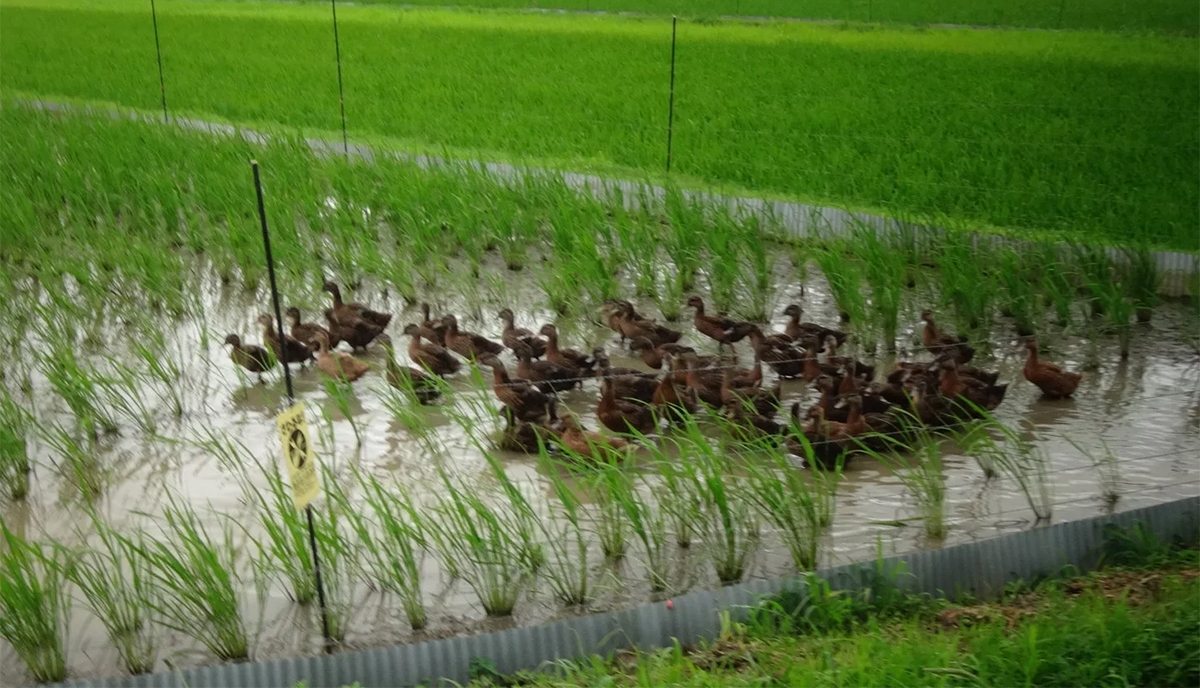
Yu Mizokami: I think I would have to recommend the duck. Specifically because, like, there’s a whole system where you can have all these sunflower plants throughout, and they can go around and eat those. So I feel like the duck would be pretty successful with that.
Mio Katsumata: Actually, the duck is a bit of a staple in Japanese farms as well.
Oh that’s interesting. I did not know that.
Last questions and most important one. Which one do you prefer, cats or dogs?
Mio Katsumata: Cats
Yu Mizokami: I like dogs but my pets are cats.
Thank you for your time!
Yu Mizokami: Thank you.
Mio Katsumata: Thank you.
Related Stories
Related Posts



![Kingdom Hearts Collection [I~III]](https://catwithmonocle.com/wp-content/uploads/2026/09/featured-kingdom-hearts-collection-460x259.jpg)


Leave a Reply
Subscribe
Login
0 Comments
Oldest